Nonprofit Brand Strategy: A Step-by-Step Framework for Building Trust
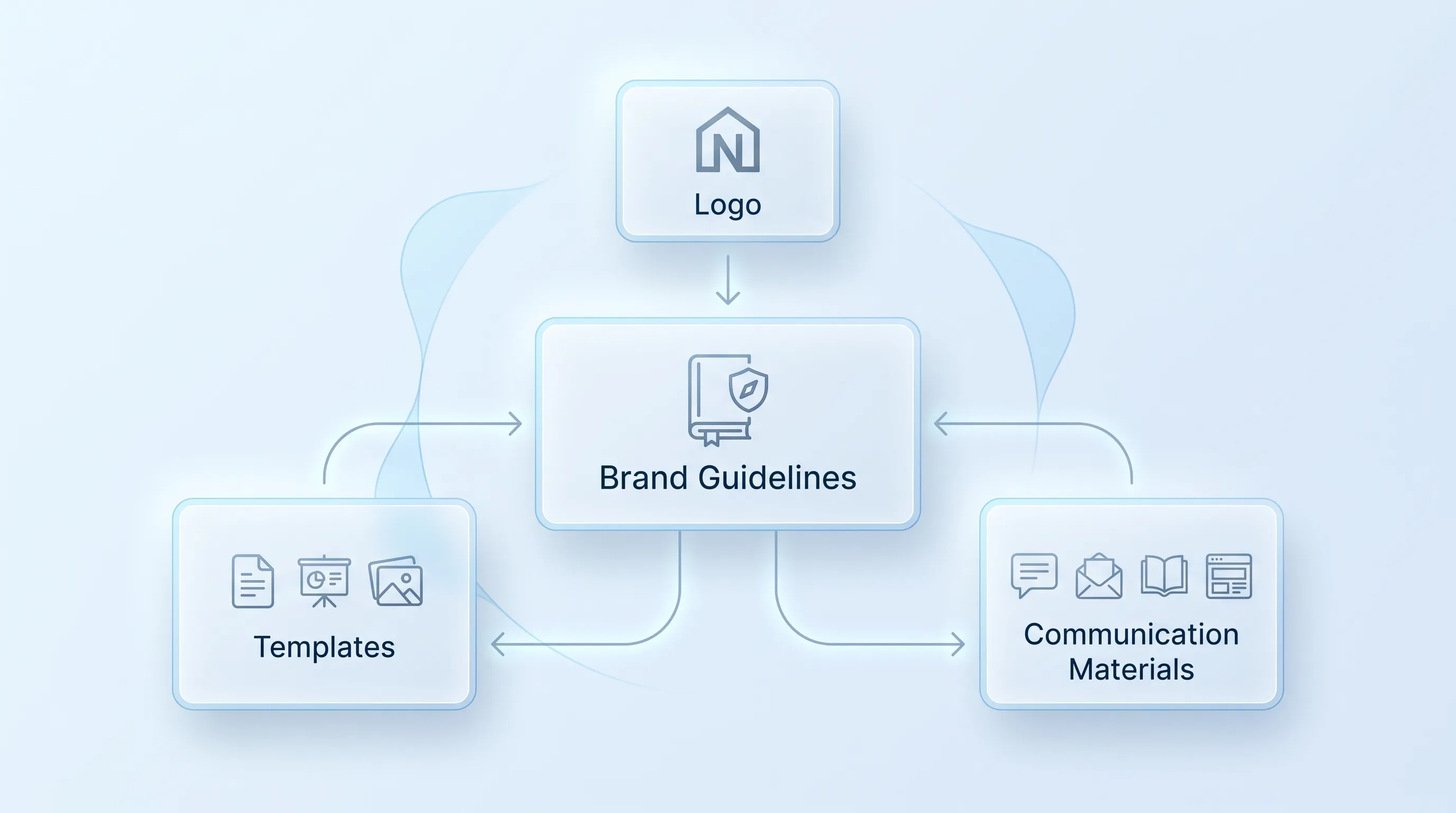
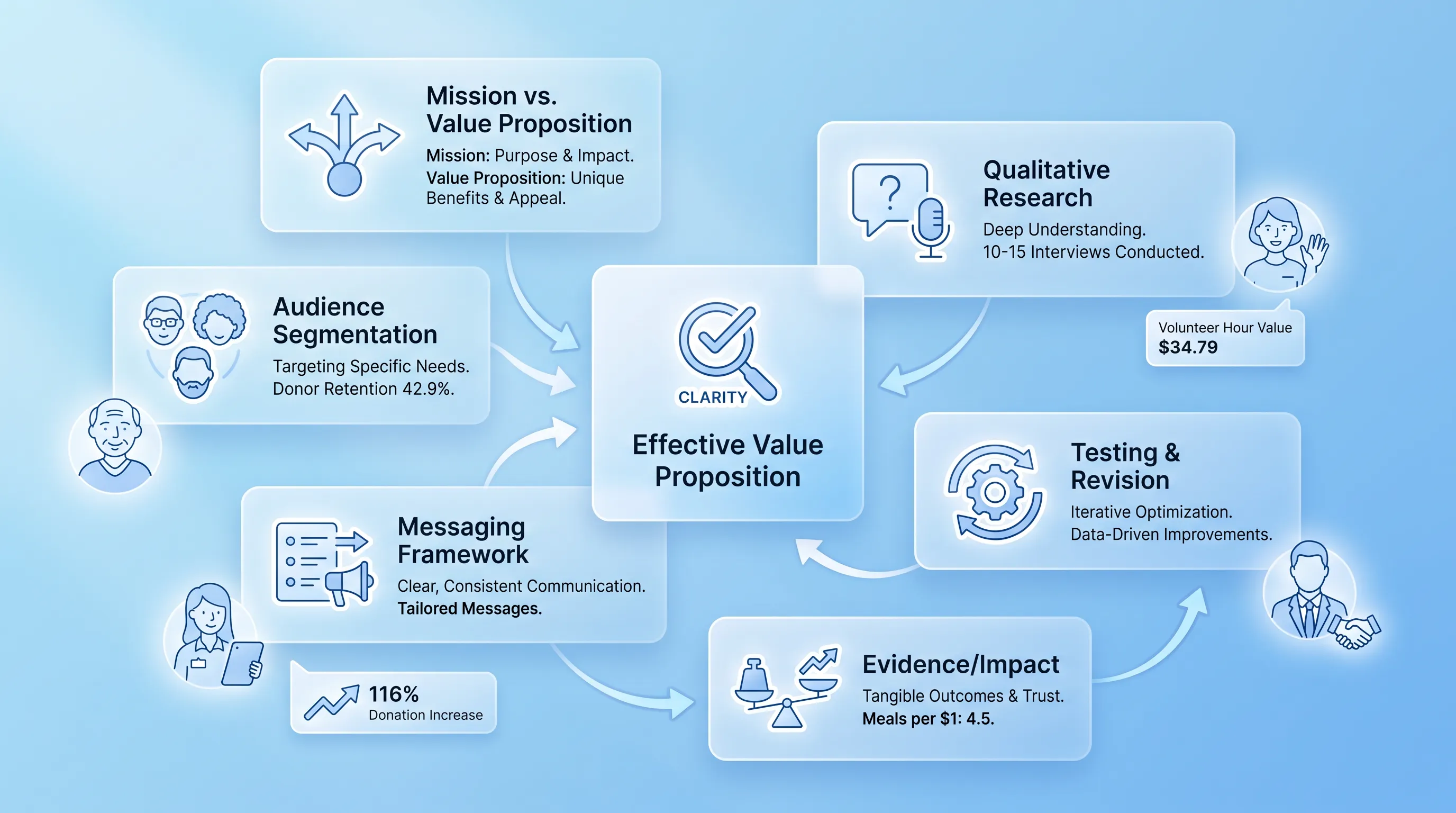
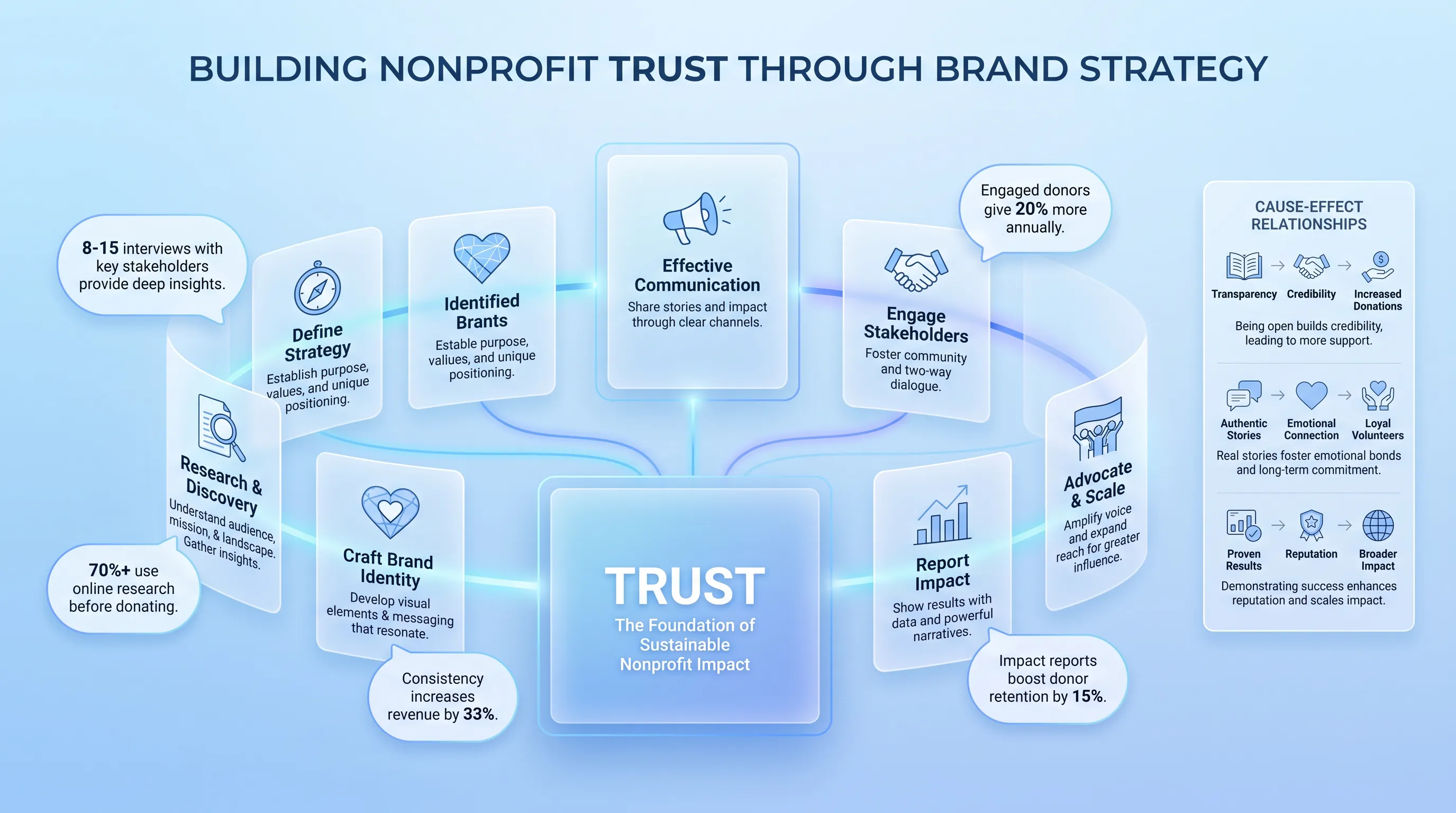
This article lays out a reusable framework for defining what your organization stands for and proving your claims with evidence. It covers research through measurement.

This article lays out a reusable framework for defining what your organization stands for and proving your claims with evidence. It covers research through measurement.

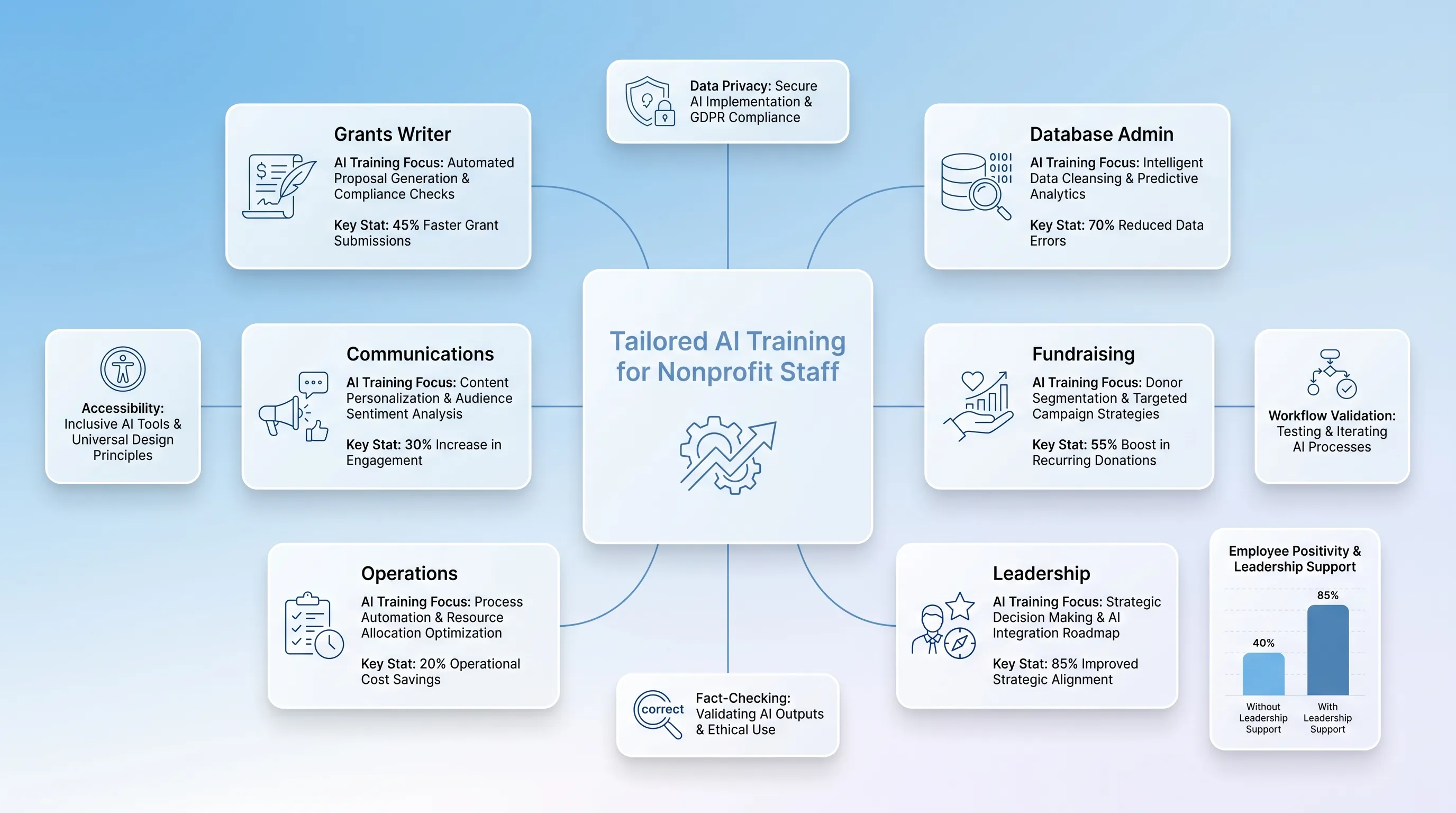
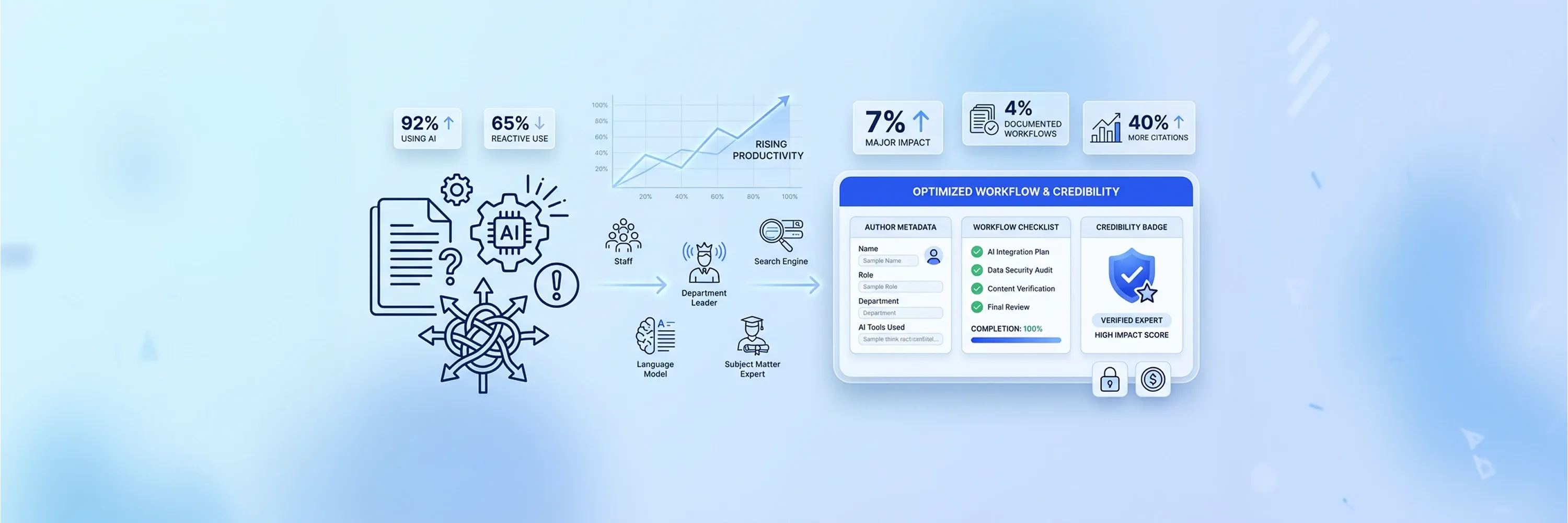
This article lays out a curriculum for turning scattered AI experiments across your staff into shared, documented practice. It covers how to assess skills and risks and design role-specific learning.

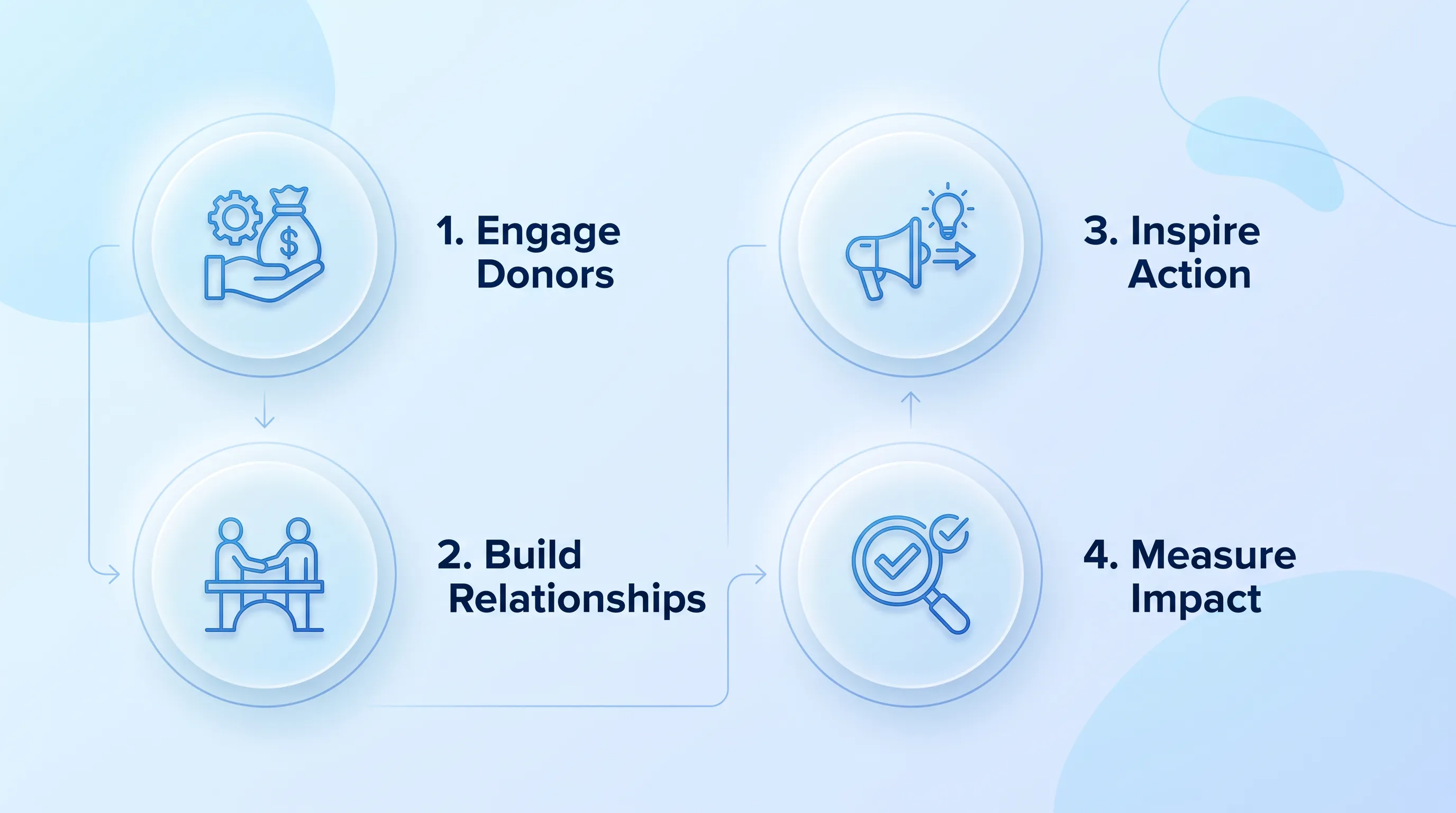
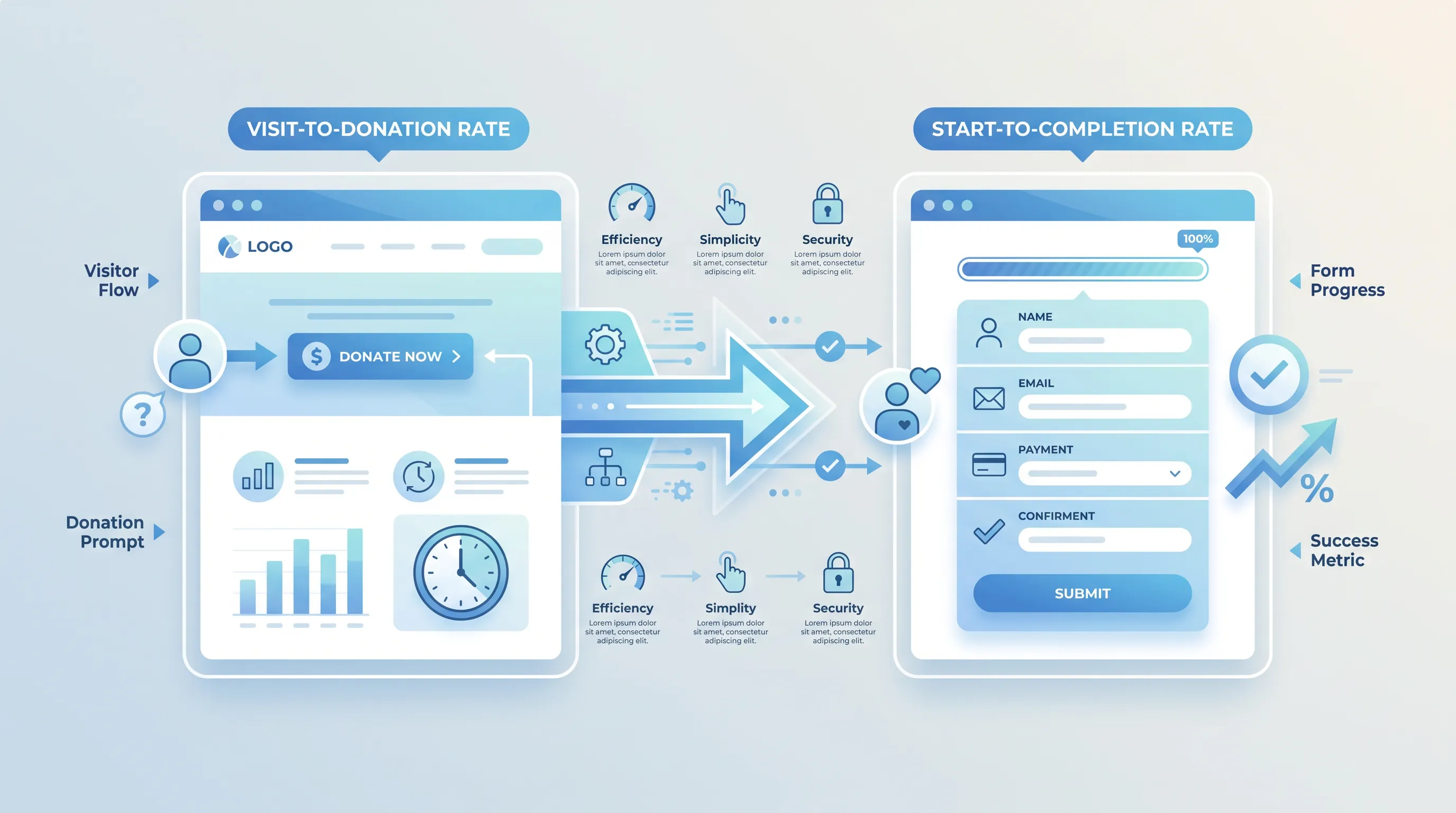
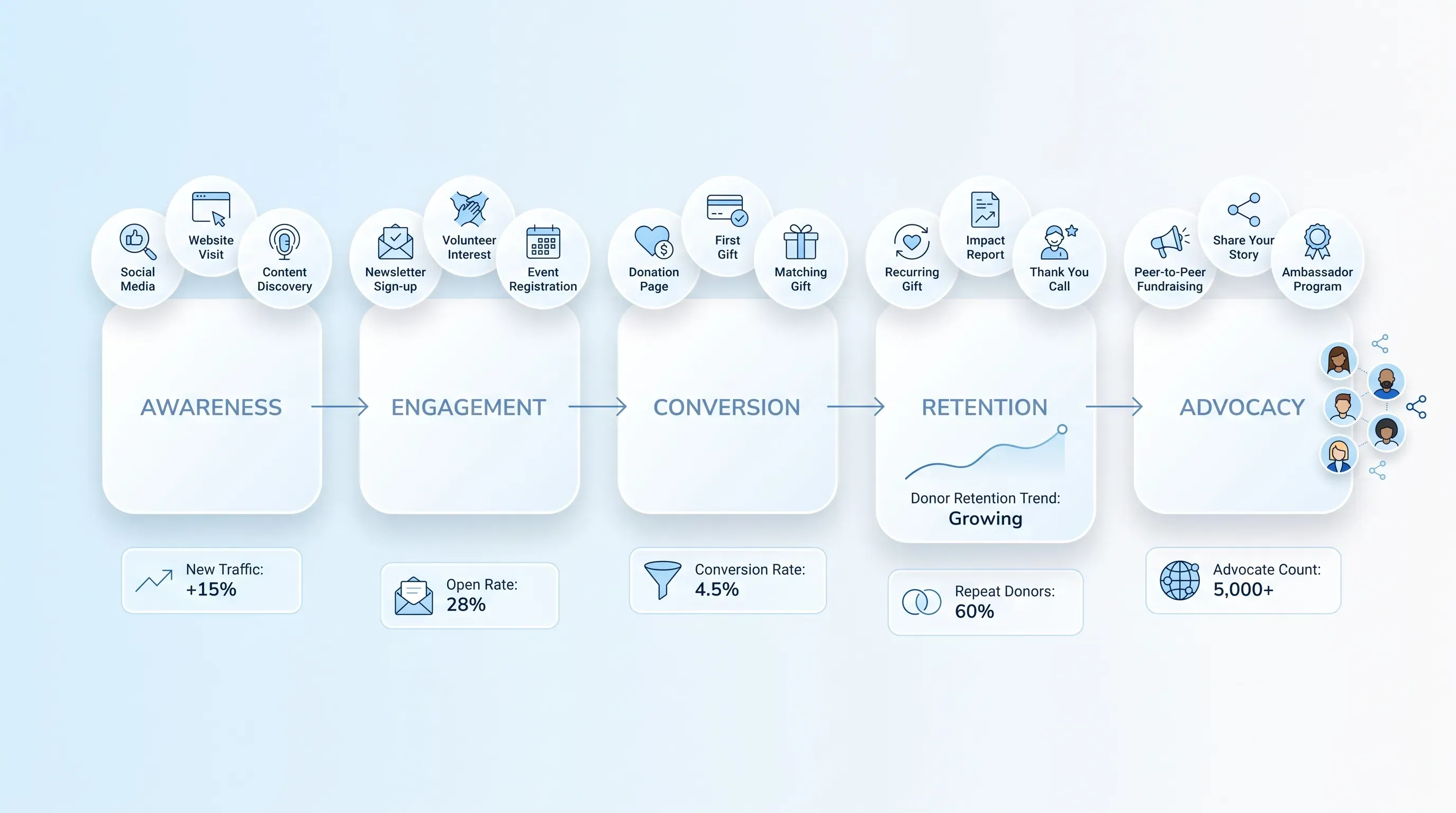
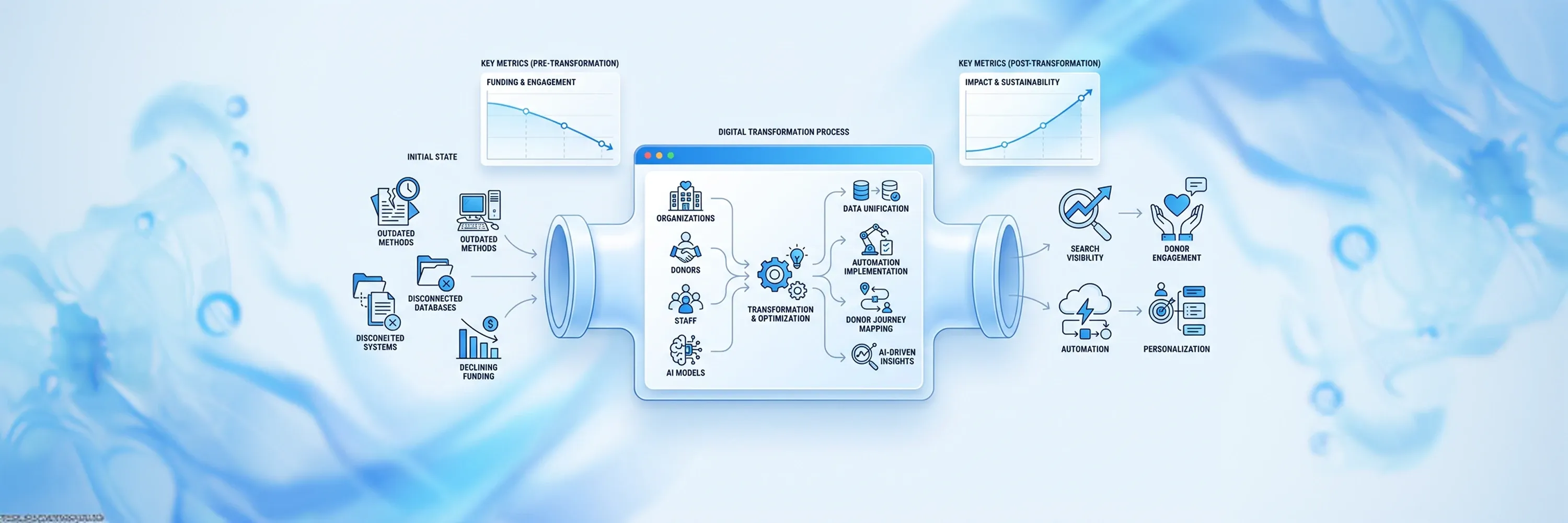
This article gives you a practical framework for donor journey mapping, from the moment someone discovers your cause through recurring support and advocacy. You will learn how to pick a priority persona and map each stage of the nonprofit donor journey. The finished map then becomes a guide for coordinated fixes across your website and email, with search and campaigns folded into the same effort.
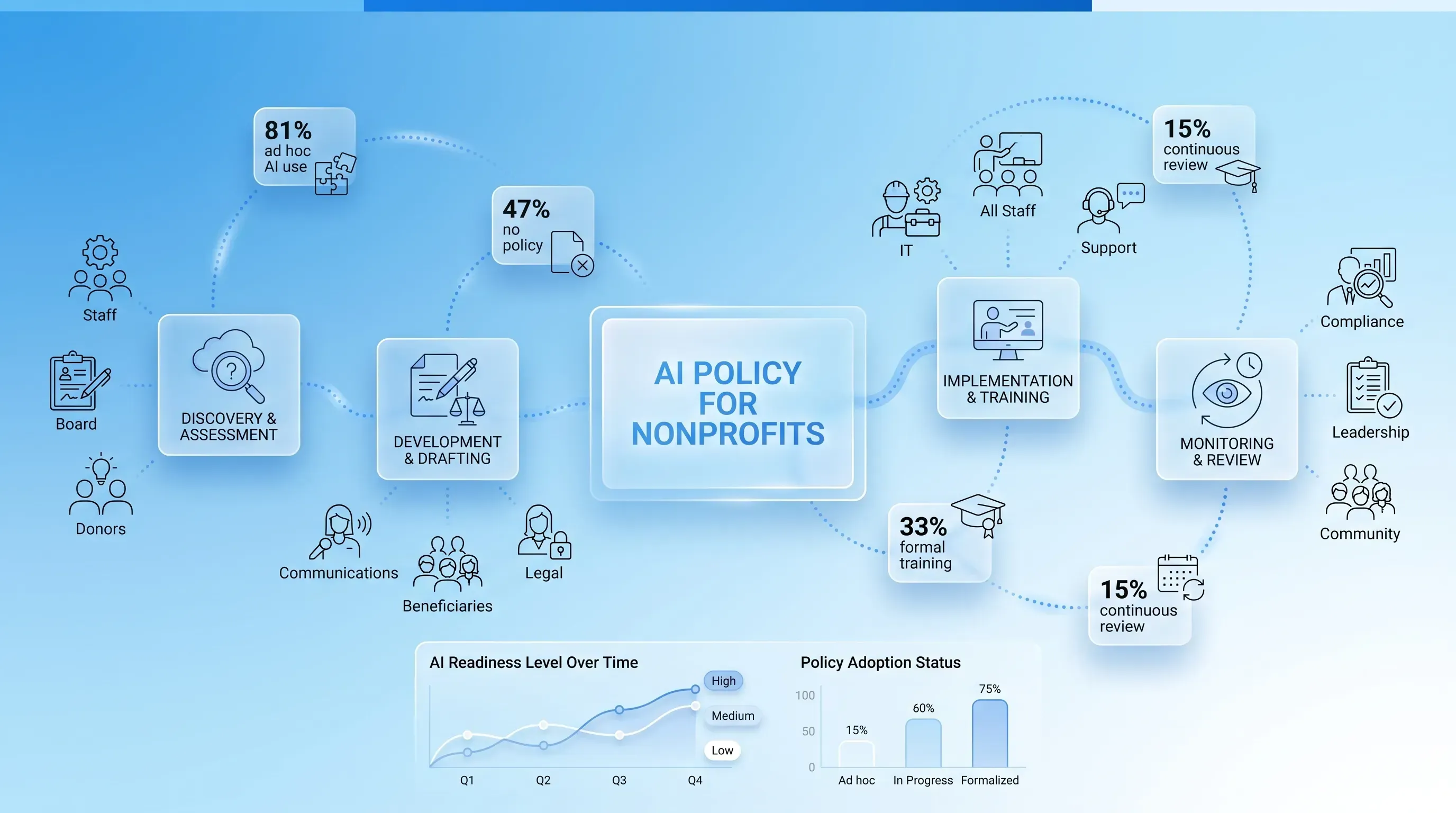
This article walks you through building an AI policy for nonprofits based on what your staff already do. You'll get plain-language principles and use boundaries, with safeguards built into a copy-ready template and an implementation checklist you can adapt this week.

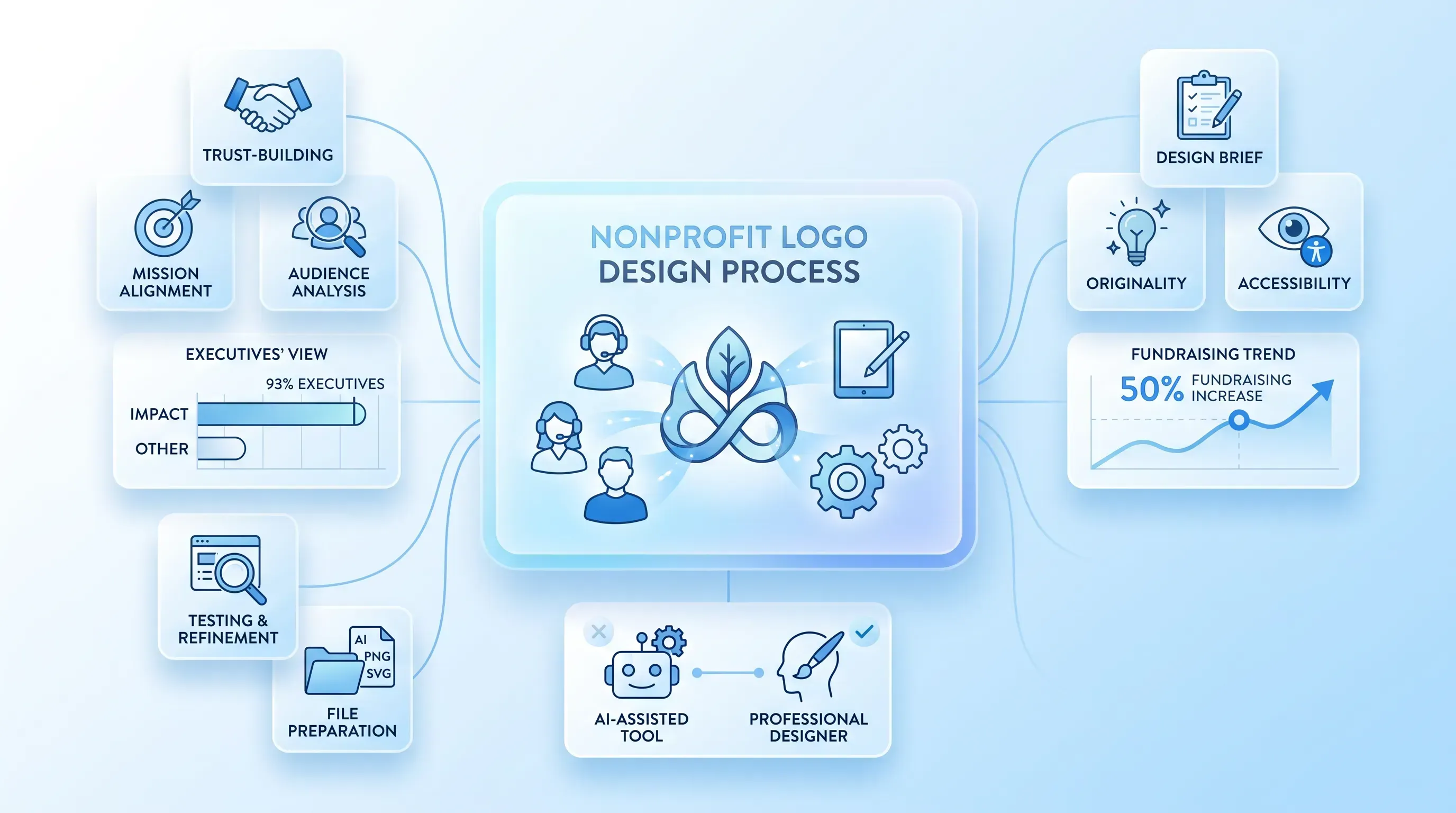
This article walks a small or newly formed nonprofit through nonprofit logo design without an in-house designer. It explains how to build the brief and choose a design direction, then takes the team through the remaining design process.

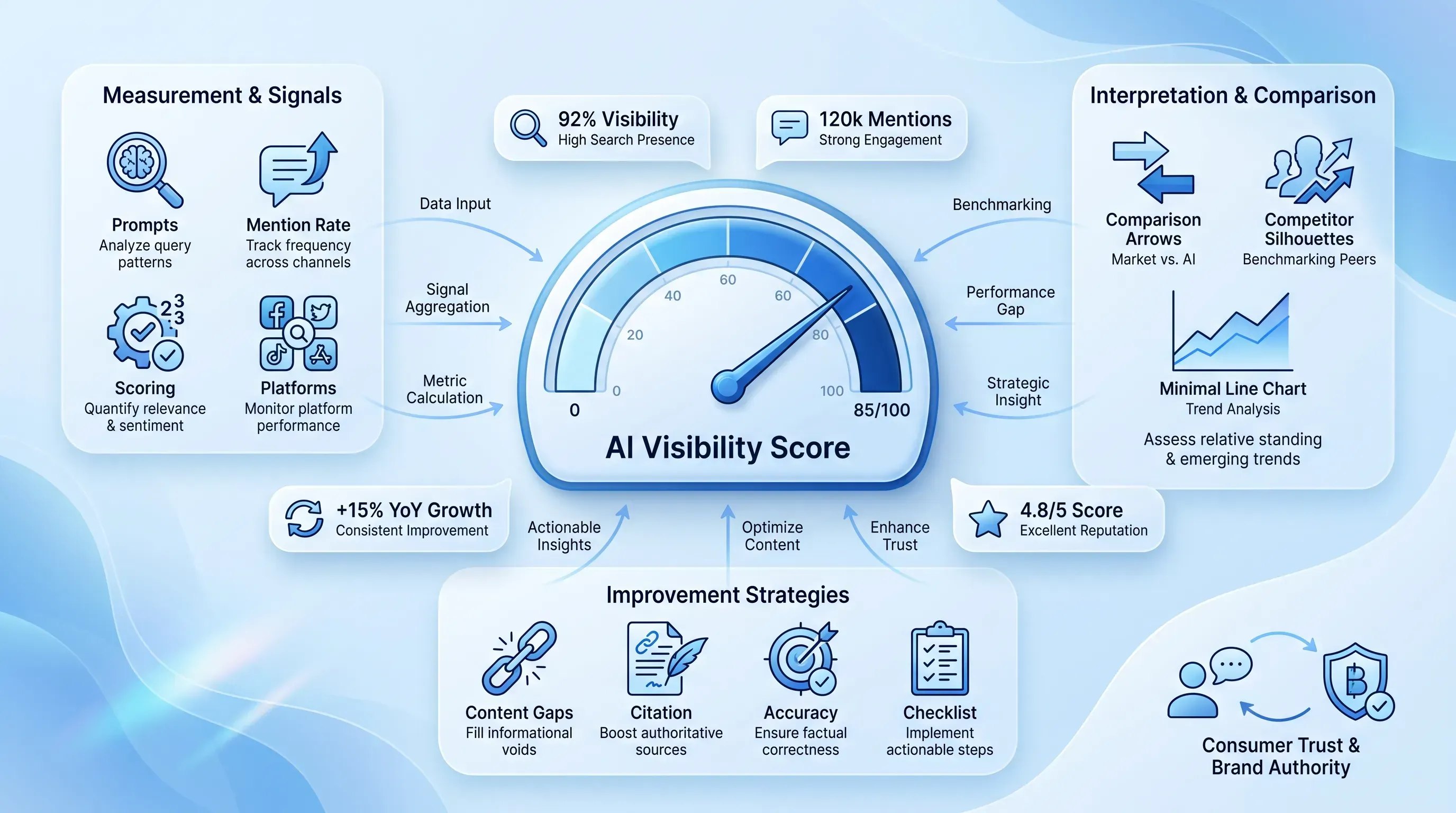
This article explains what an AI visibility score measures and why no two tools calculate it the same way. It also shows how to read its movement without overreacting. It then turns that reading into a short, prioritized plan for closing the gaps that matter to your buyers.

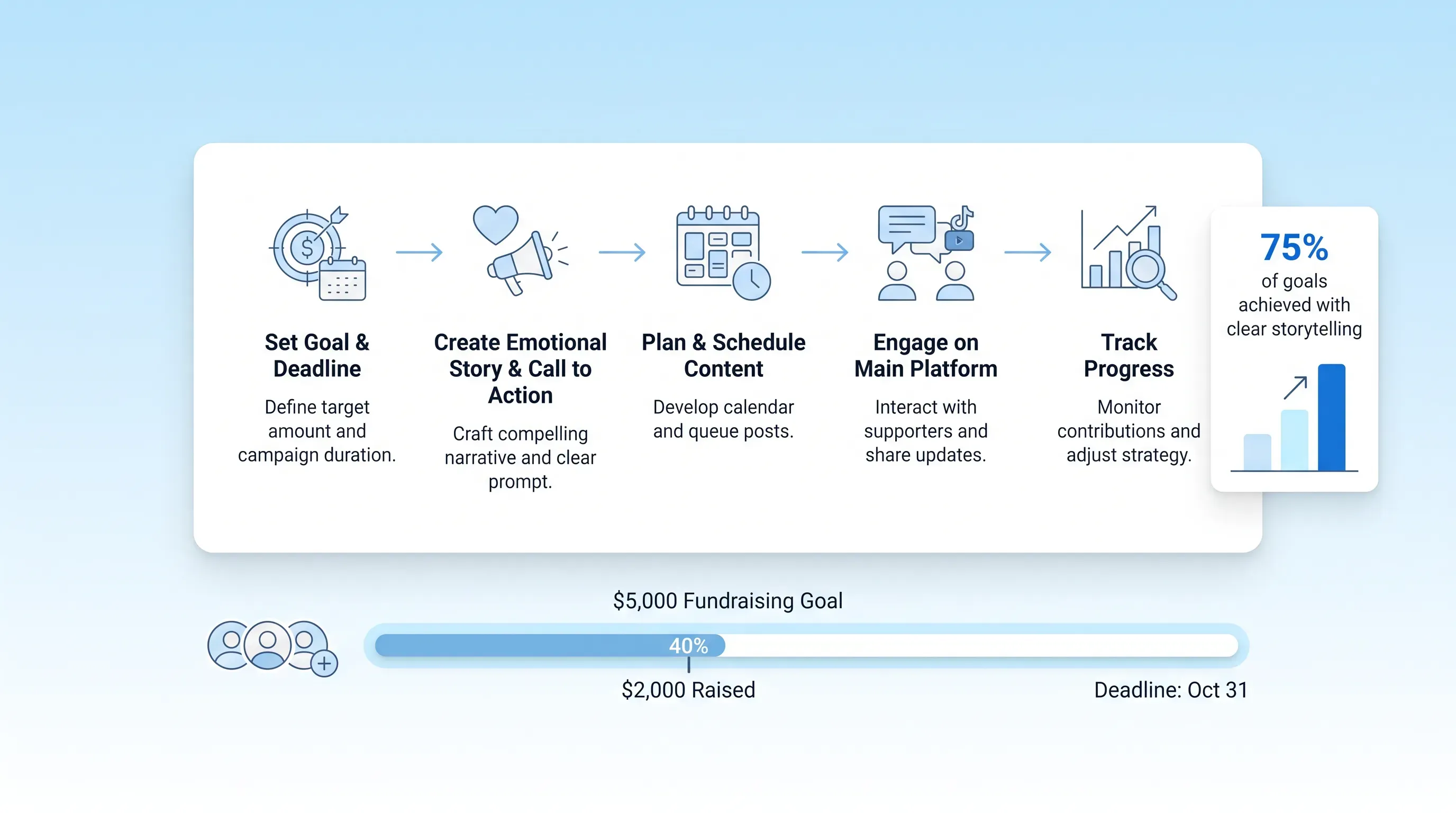
This article shows you how to turn an existing social following into actual donations. It walks through donor psychology and campaign structure, then shows you how to prove which posts raised money.

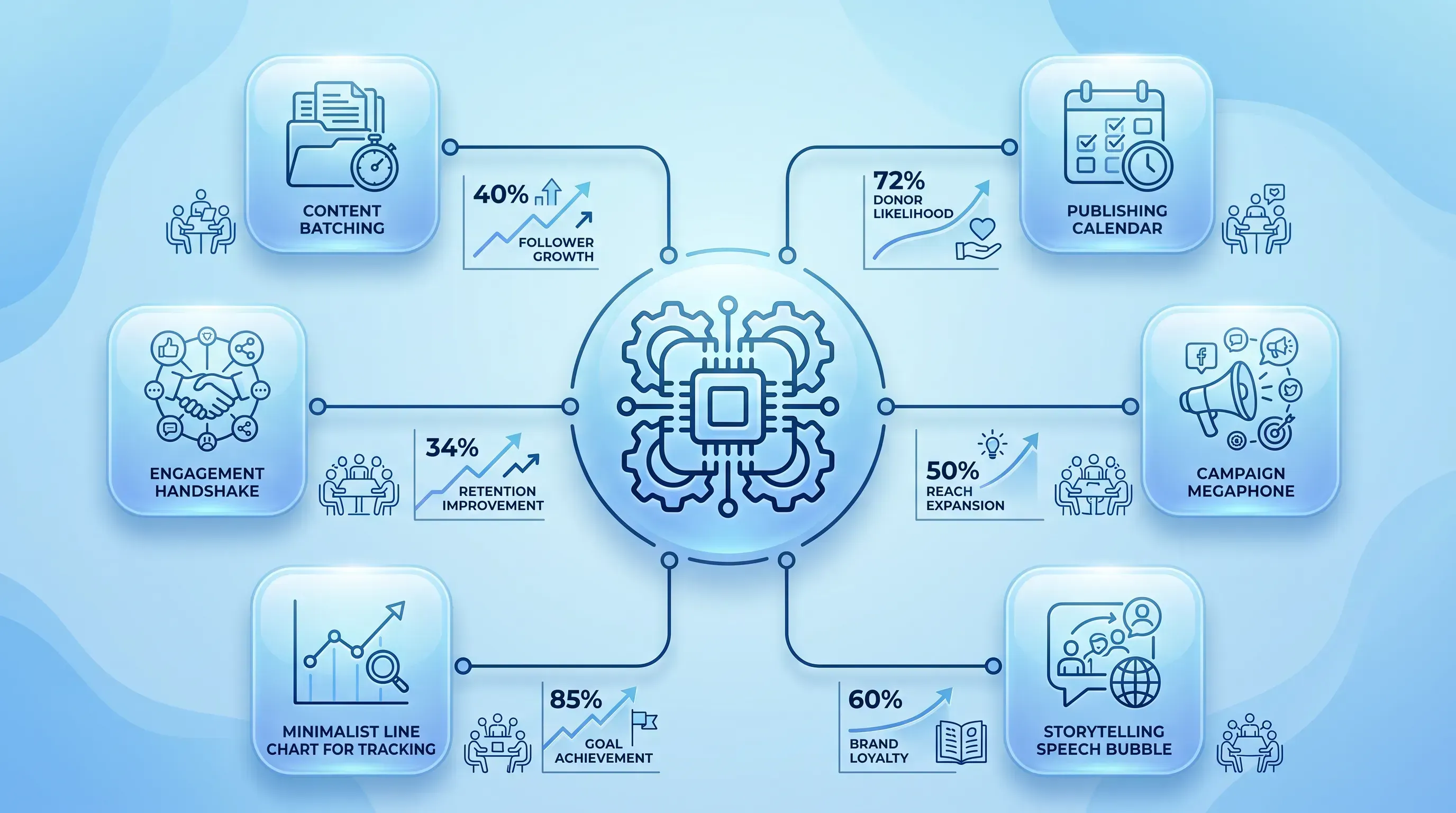
This article shows you how to turn scattered, week-to-week posting into a repeatable non profit organization social media strategy that survives a busy month or a staffing gap. It walks through six connected systems, each with a workflow or template you can set up the same week you read this.

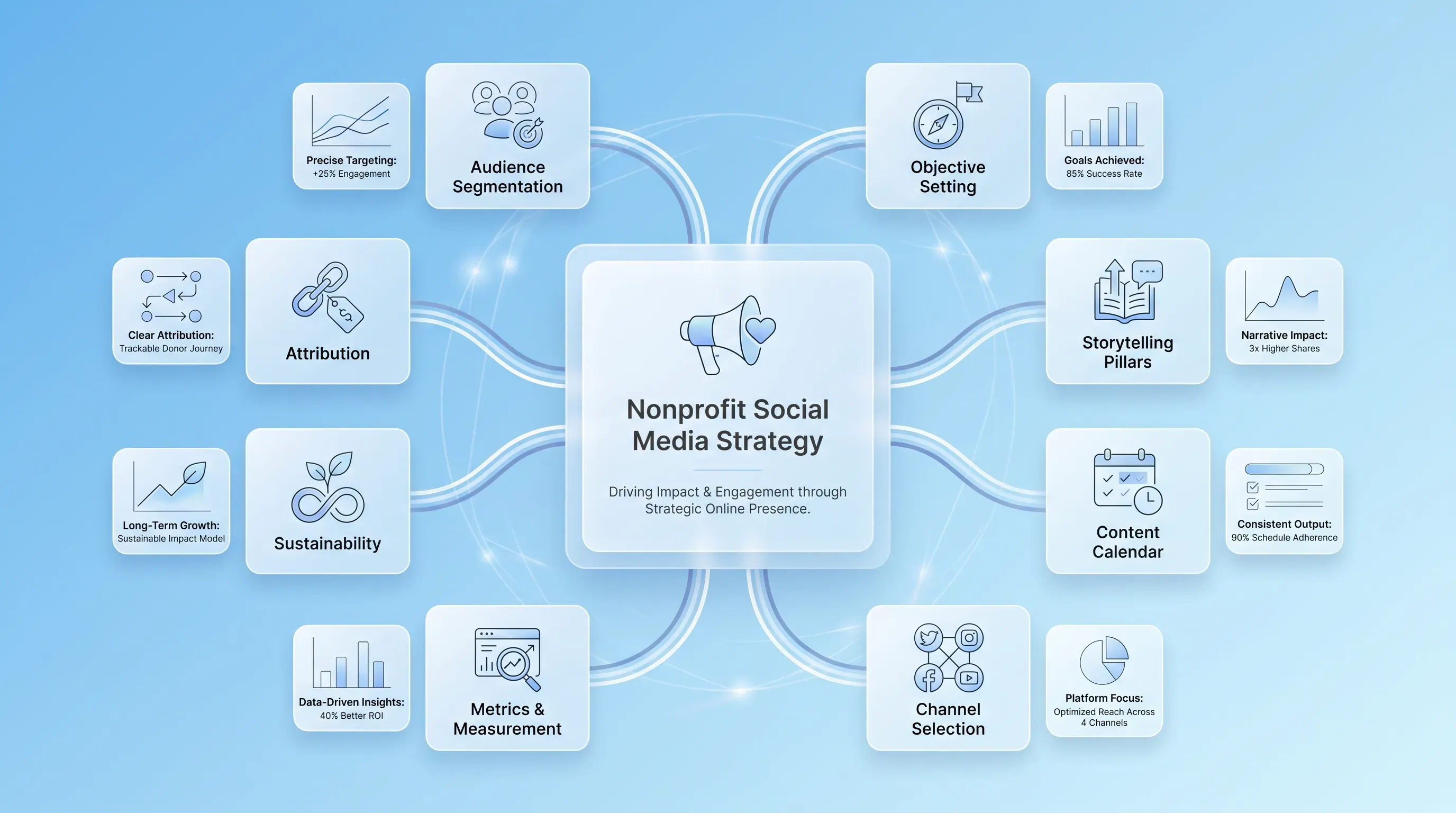
This article gives you a connected framework for turning a busy-but-scattered presence into a social media strategy for nonprofits you can defend to a board and run without burning out. You will begin by defining audience segments and objectives. Storytelling pillars guide a realistic calendar, while channel choices and the handful of metrics signal whether a community is actually growing.

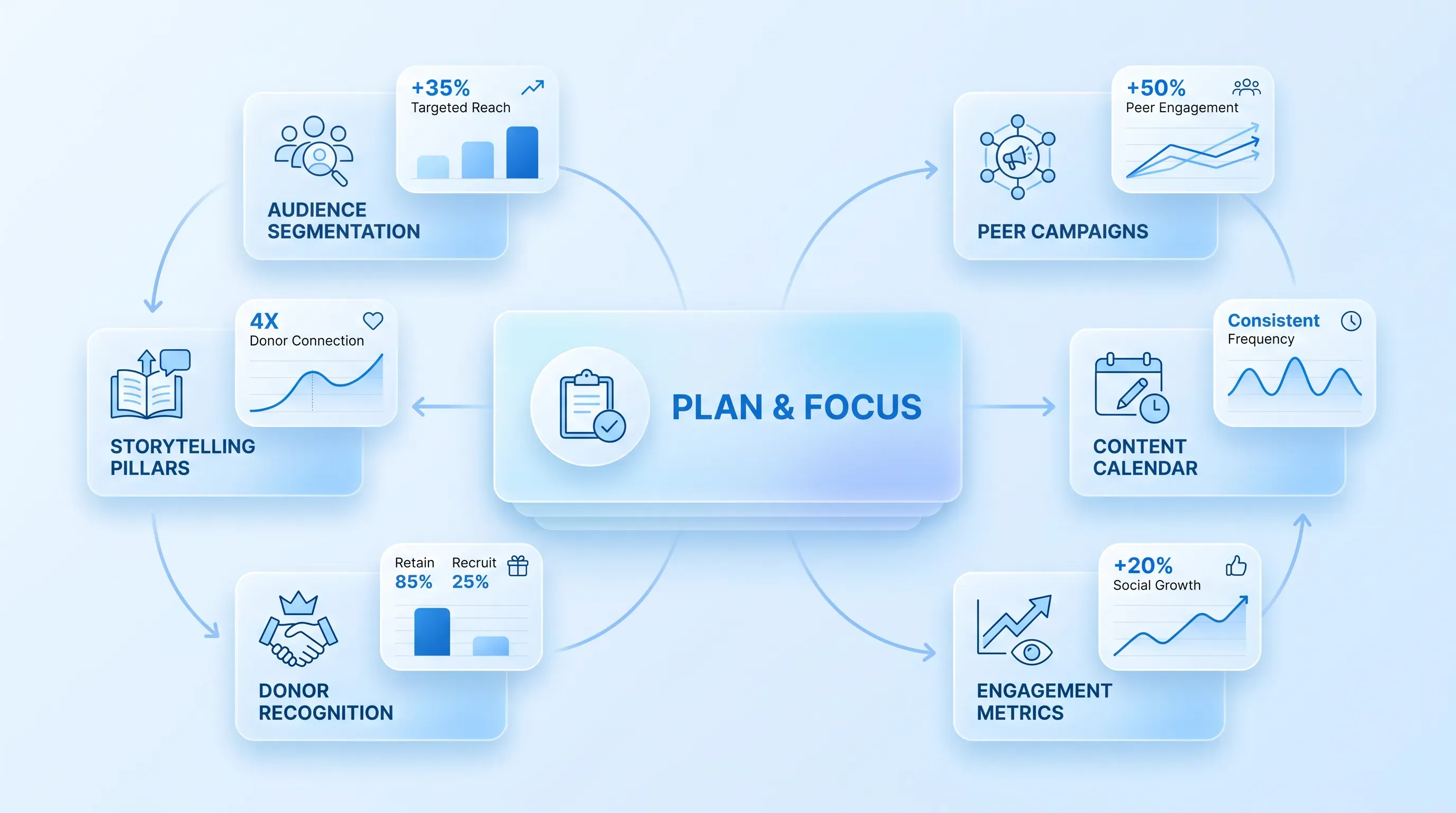
This article gives you a repeatable system for social media marketing for non profit organization work, built for one person with limited time and no ad budget. It walks you from a single objective through audience segments. It then shows how storytelling pillars shape a lightweight calendar, which supports cross-channel campaigns and metrics that predict real action.

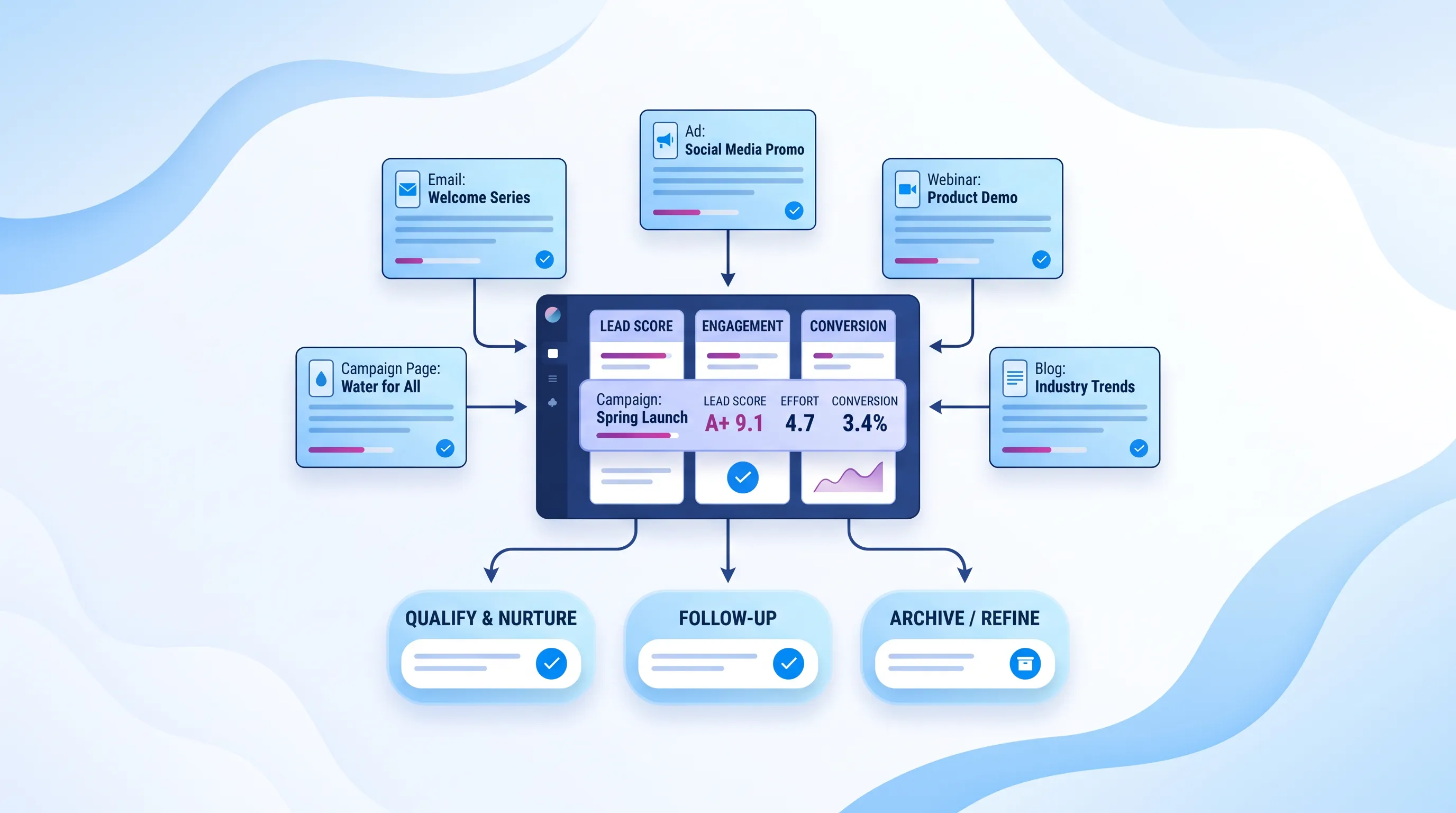
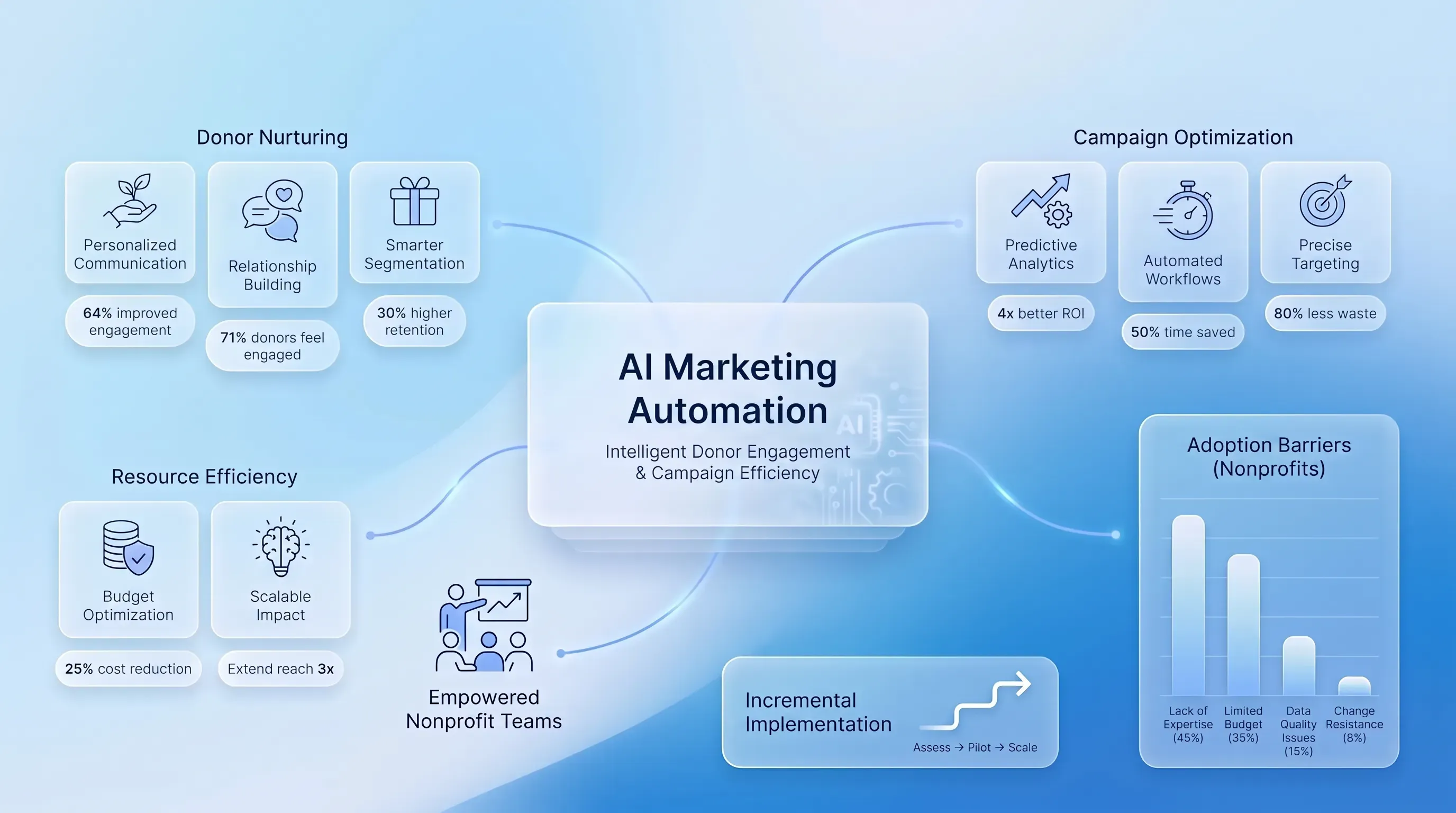
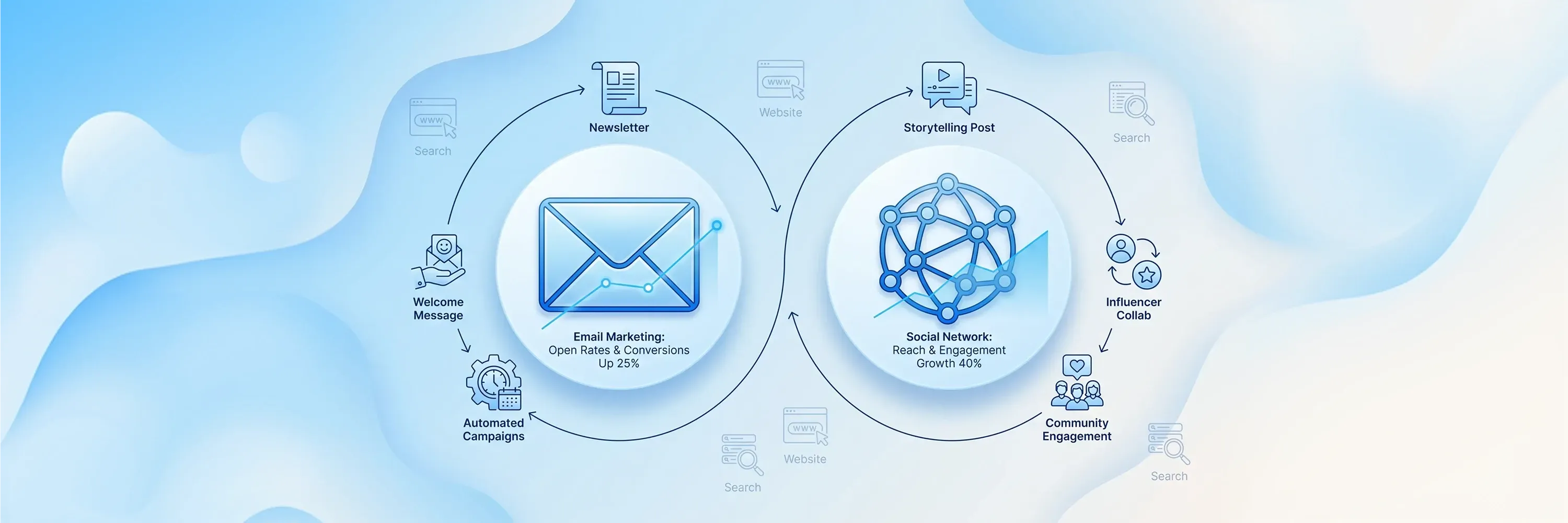
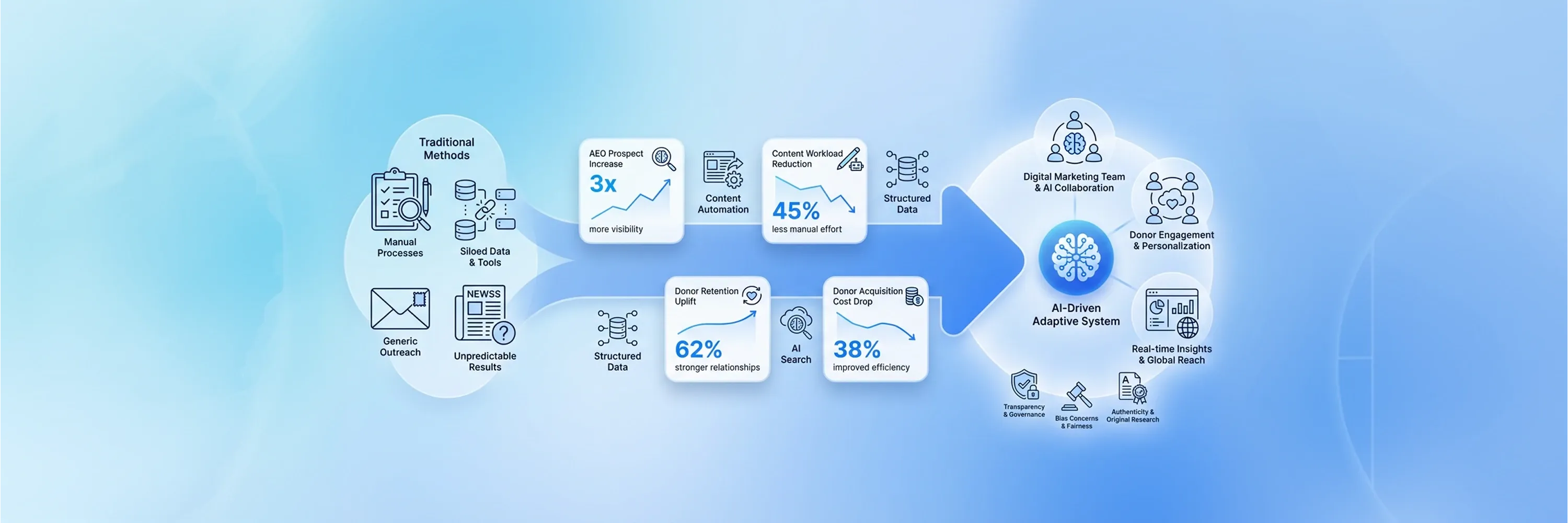
This article explains what AI marketing automation software actually does for a lean nonprofit team in plain terms, from donor nurturing to campaign optimization. It treats automation as an operational tool that lets a small team behave like a bigger one.

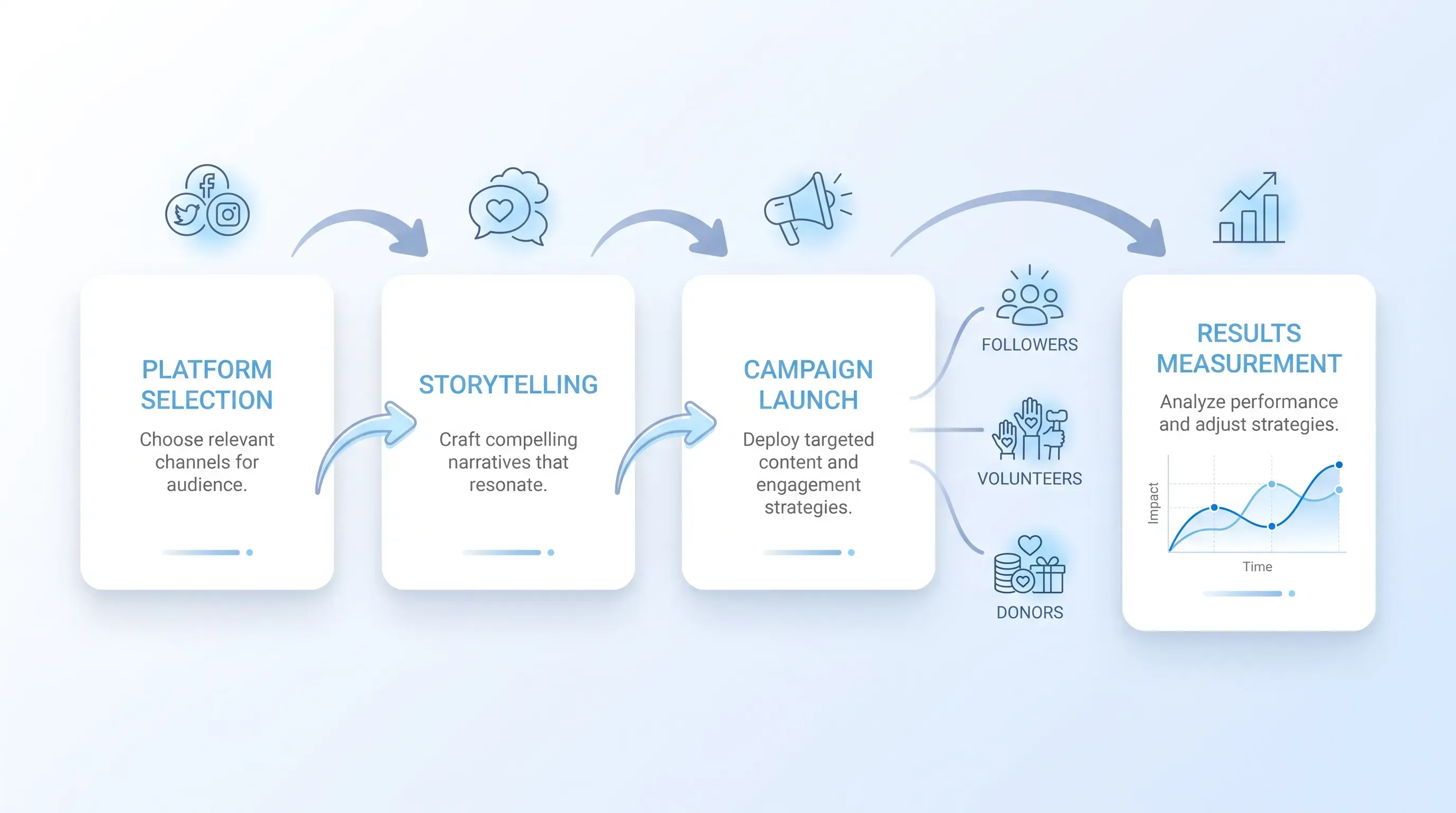
This article gives you a repeatable system for nonprofit social media marketing that turns followers into volunteers and donors. You will learn a system for choosing the right platform and turning trust-building stories into campaigns with a clear ask, with numbers that prove it worked.

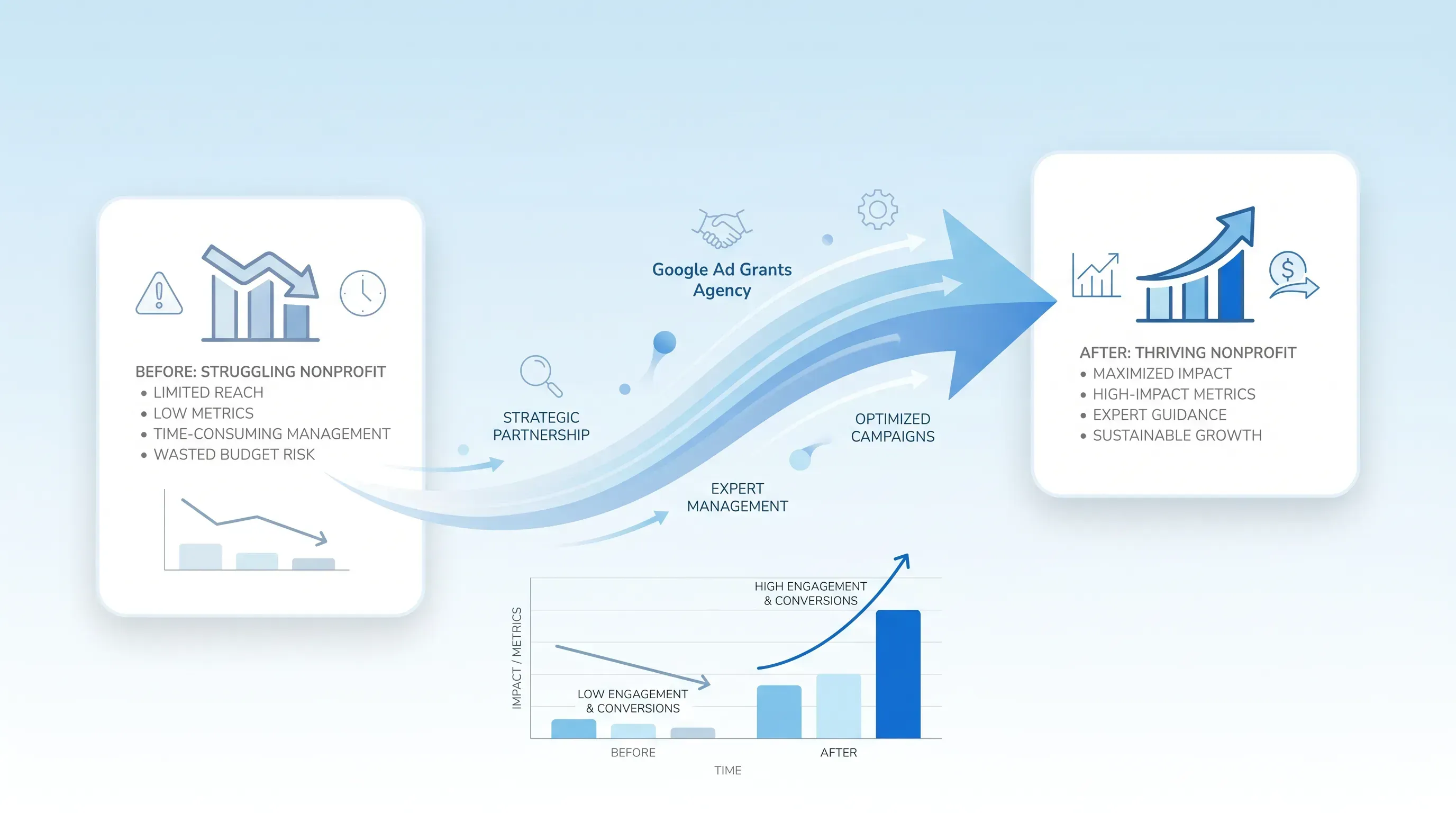
This article explains what it takes to turn a Google Ad Grant into real donations and awareness, and where in-house efforts stall. It walks through setup and compliance, then follows the path from targeting to tracking so you can decide whether charity Google Ads support fits your organization.

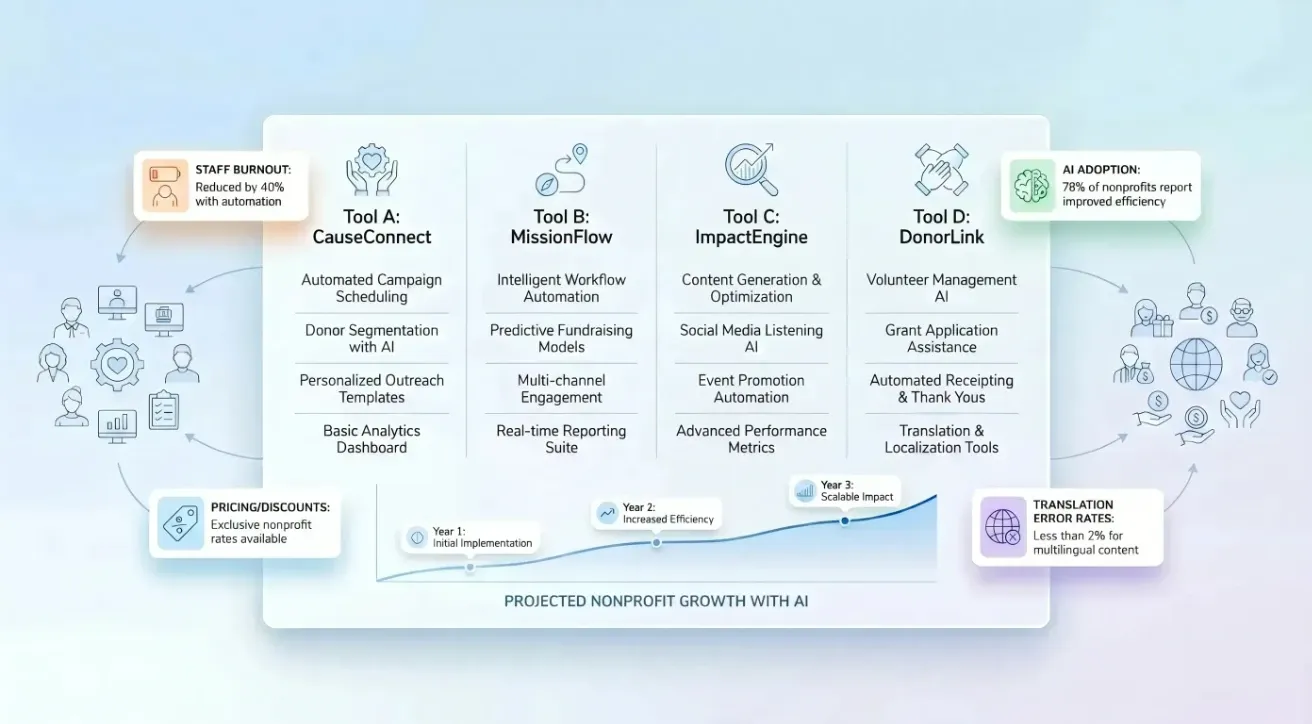
This article compares AI marketing automation tools for lean nonprofit and NGO teams across the jobs that eat your week, especially email and segmentation, while the discussion also covers scheduling and the reporting demands that come with multilingual outreach. It weighs honest strengths and trade-offs, then closes with implementation steps sized for a one- or two-person team.

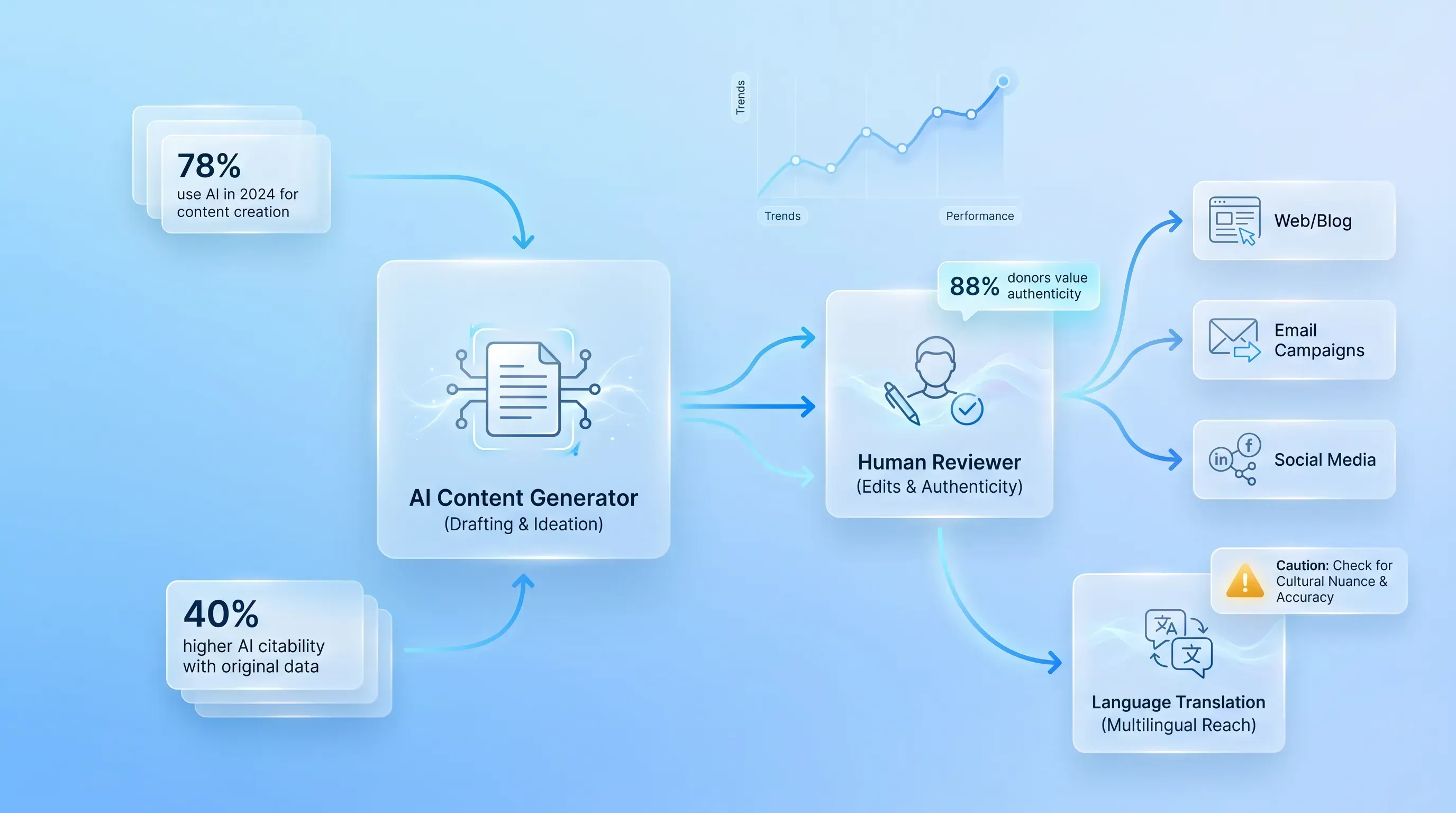
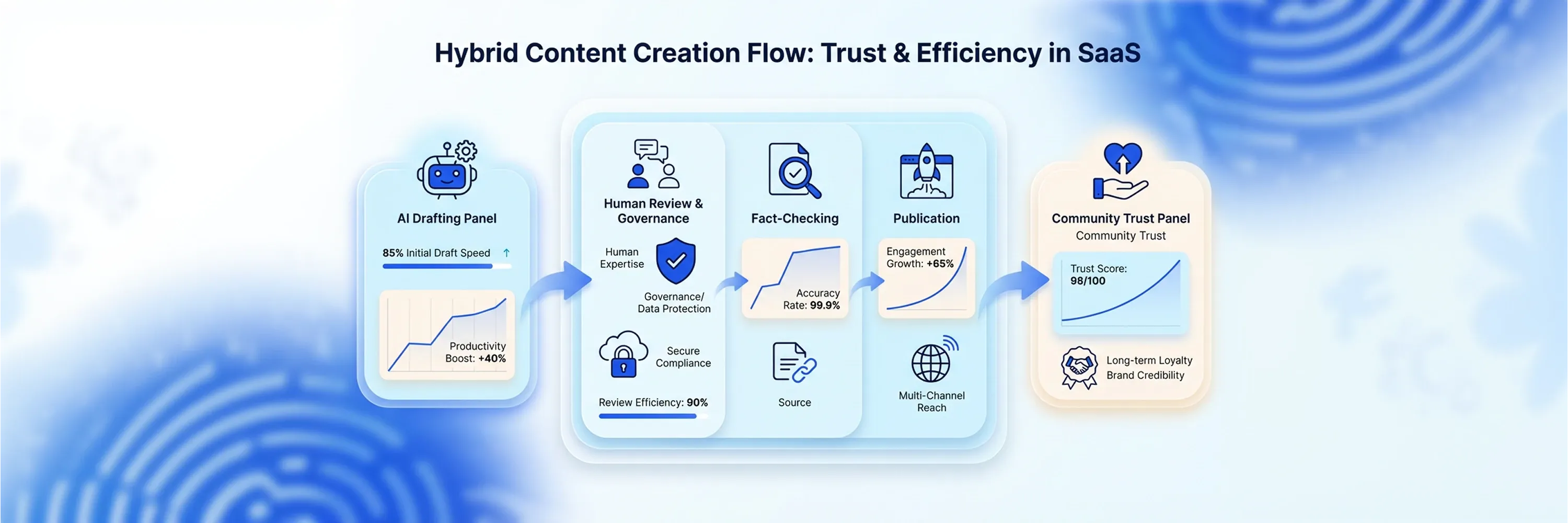
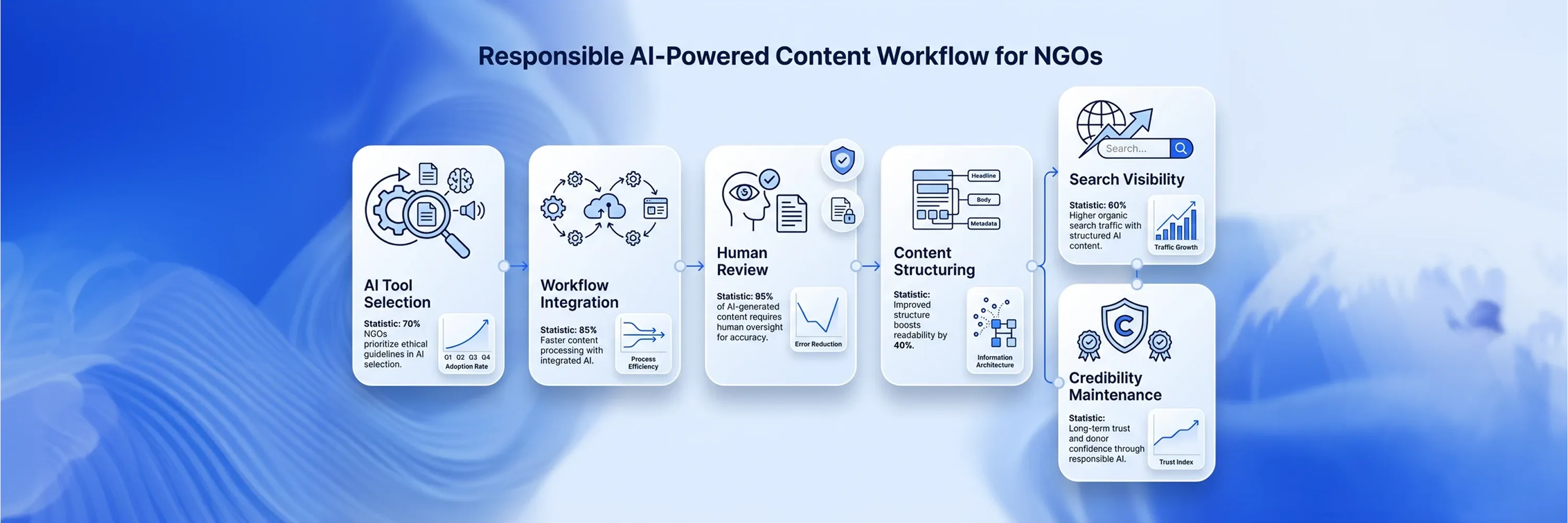
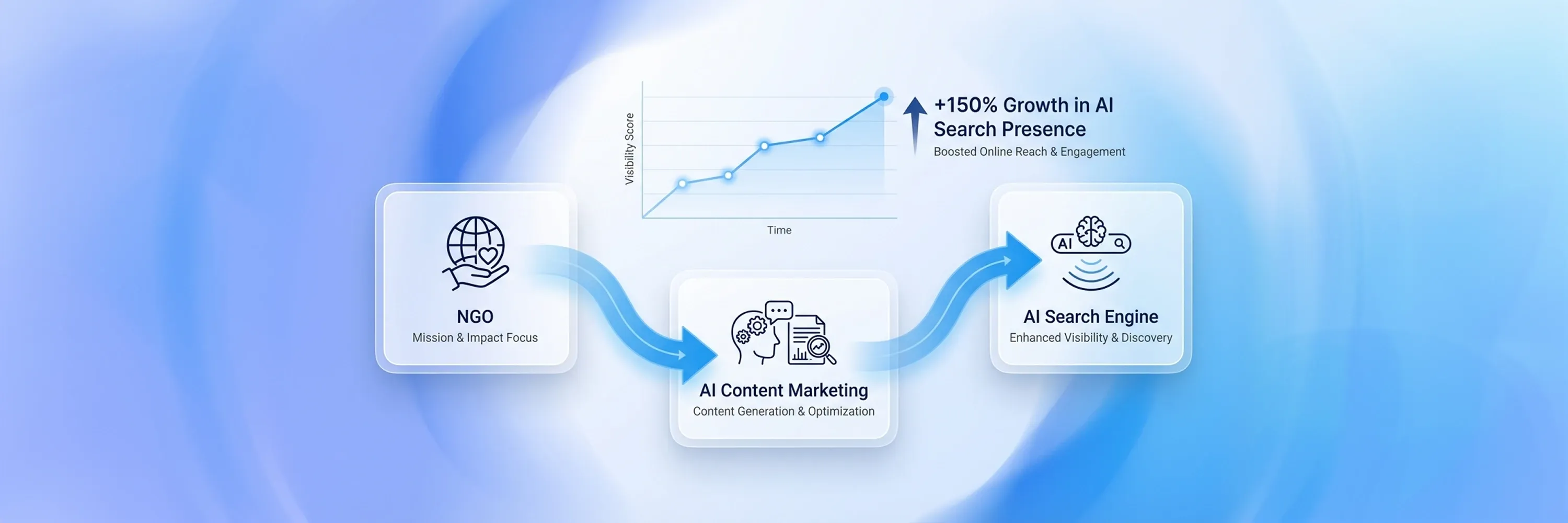
This article shows nonprofit communications staff how to use an AI content generator to publish more without flattening the mission-rooted voice that earns trust. It covers where the tools save time and how to keep human judgment in the loop across multilingual outreach and AI search.

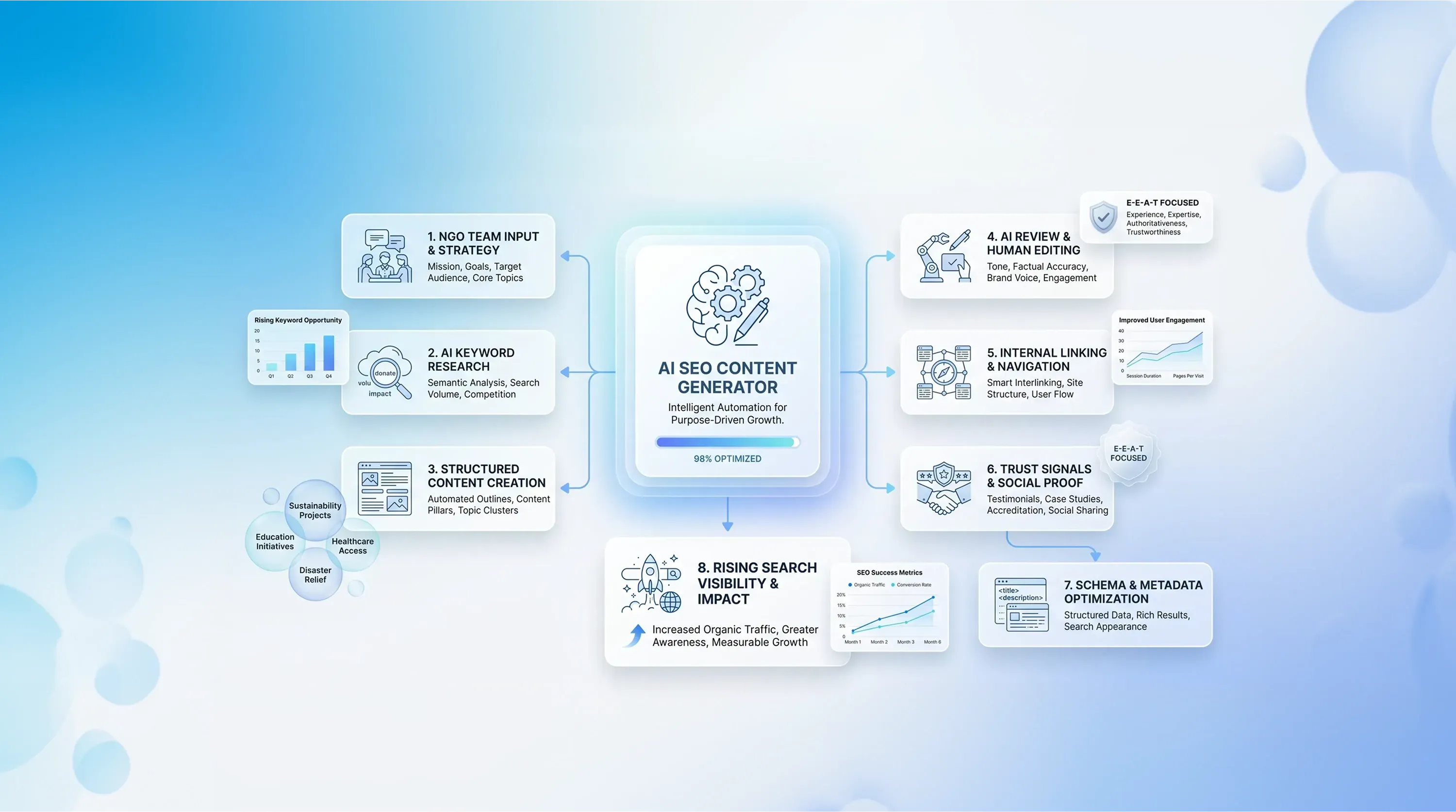
This article explains how a small NGO communications team can use an AI SEO content generator to publish steady, well-structured content that performs in both Google and AI search engines. It walks through keyword research and a repeatable publishing workflow, with practical steps you can copy.

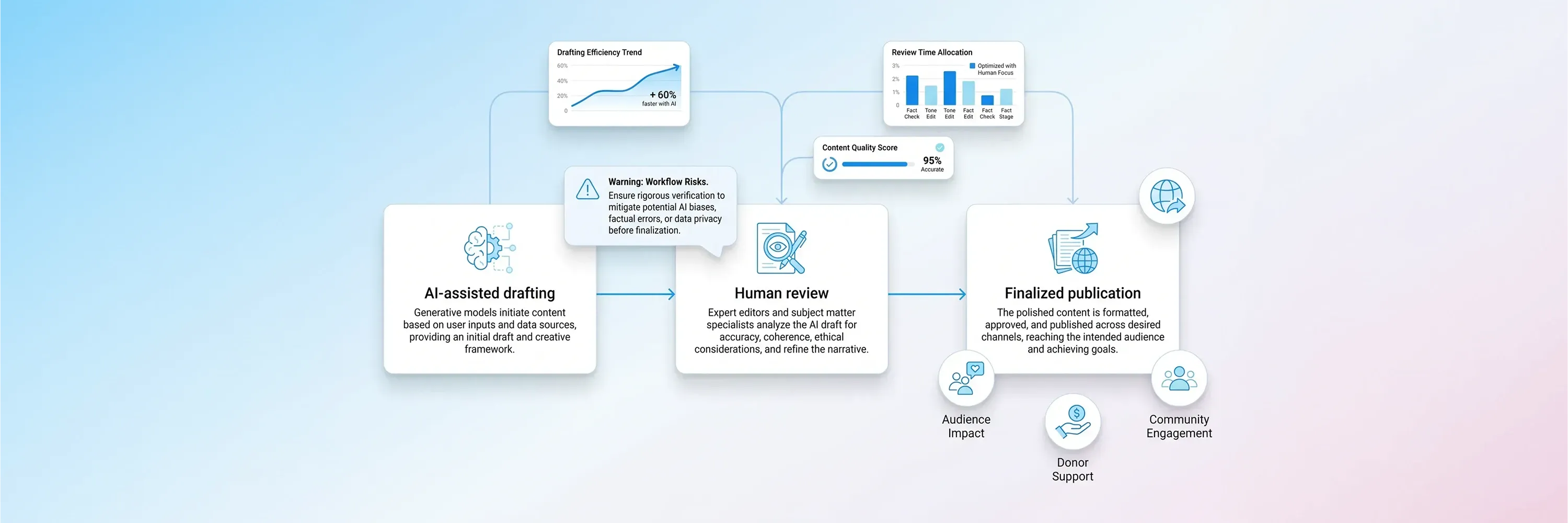
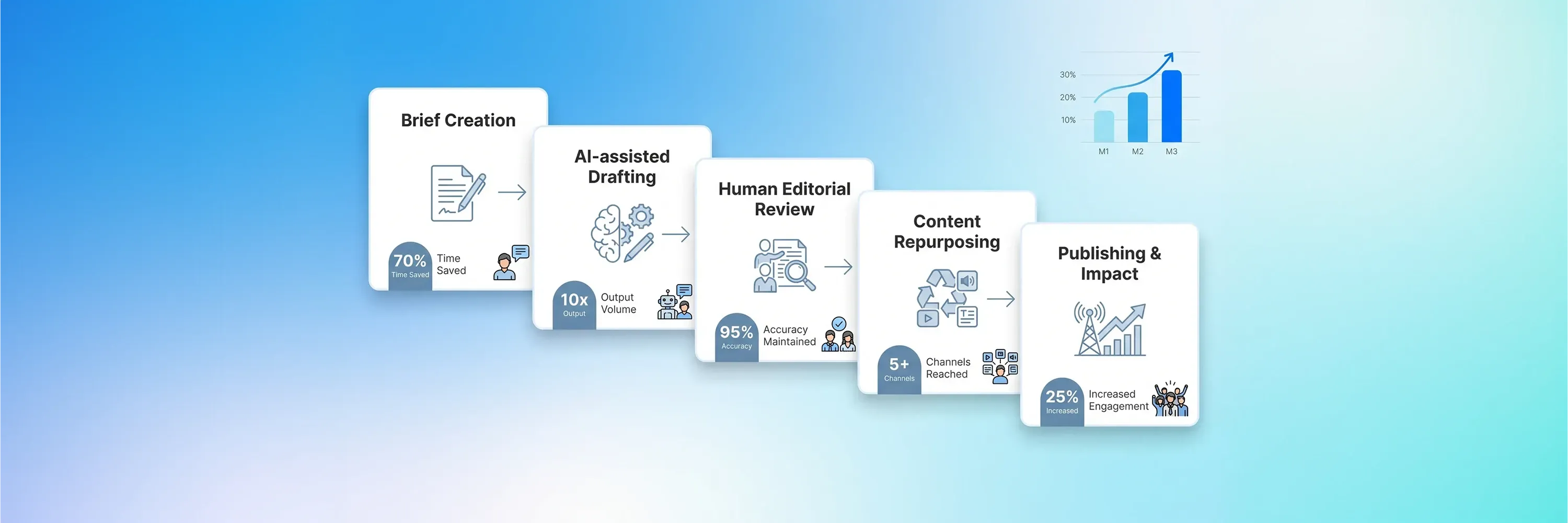
This article explains how a small nonprofit communications team can use an AI blog writer to keep up with a demanding content calendar without sounding generic or breaking donor trust. It walks through the content types AI drafts well and the human review steps that keep work accurate, then shows how to protect your voice as you reach more people in more languages.

This article shows how a thin nonprofit comms team can use AI blog writing tools to publish more without sounding generic or getting facts wrong. You'll get a human-led workflow that protects both speed and trust, from the first brief through final publishing.

This article is for the lean nonprofit team with one person responsible for the digital marketing nonprofits need, who feels pressure to be everywhere online at once. It makes the case for focus over coverage and walks through the two channels that most reliably move donations and sign-ups when your time and budget are tight.

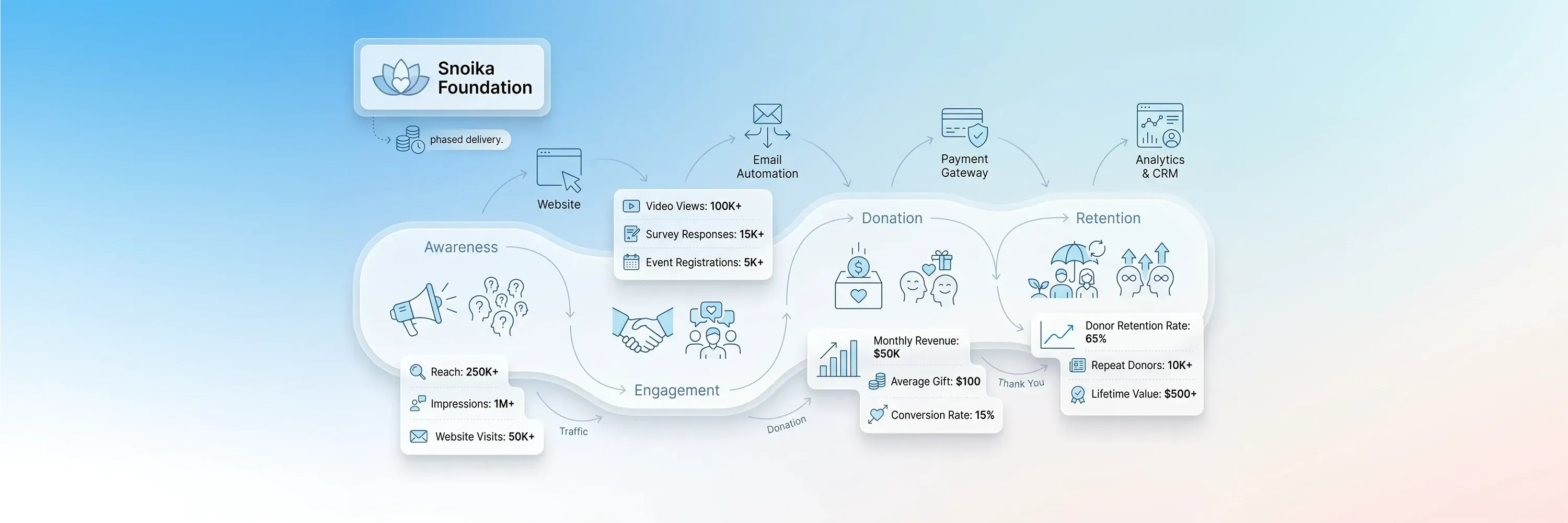
This article explains how a nonprofit digital agency connects web design with marketing-led fundraising into one supporter journey instead of treating the work as separate projects. It walks through the strategy and phased delivery that make this work inside real budget and staffing limits, with integrations and analytics built into the process, so you can judge whether Snoika fits your organization.

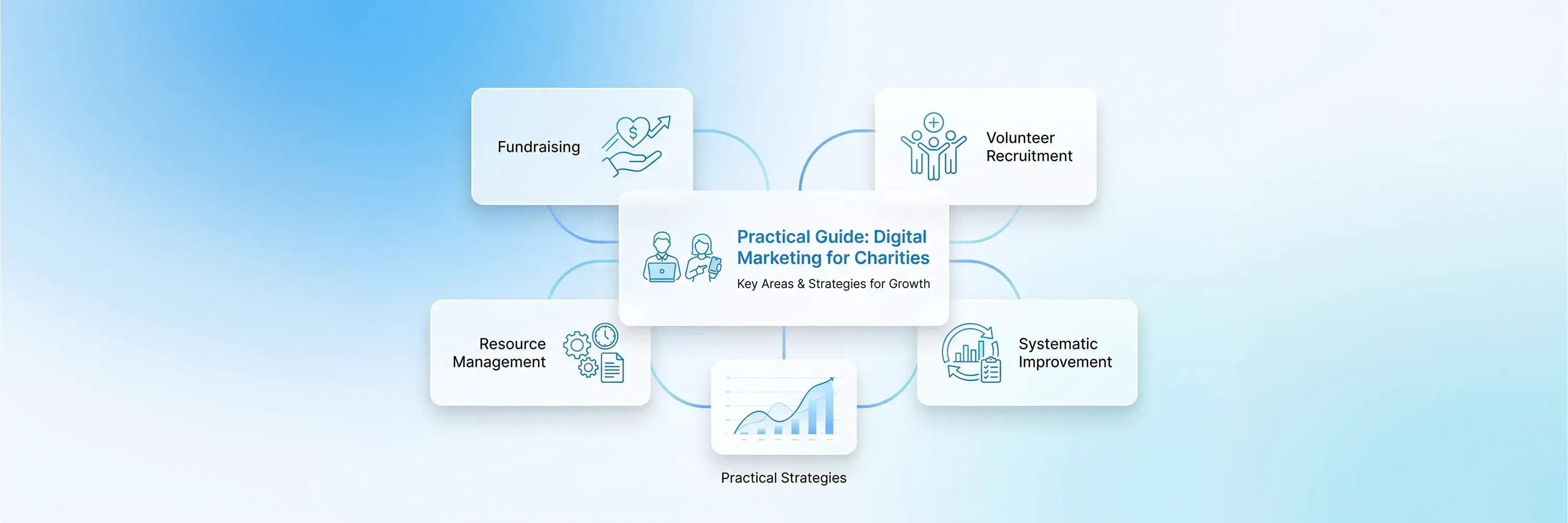
This article is a practical guide for digital marketing for charities, written for anyone who has ended up running a charity's website and social accounts without a dedicated team or budget. It walks through five connected areas you can start improving this week, with concrete fundraising and volunteer examples you can copy.

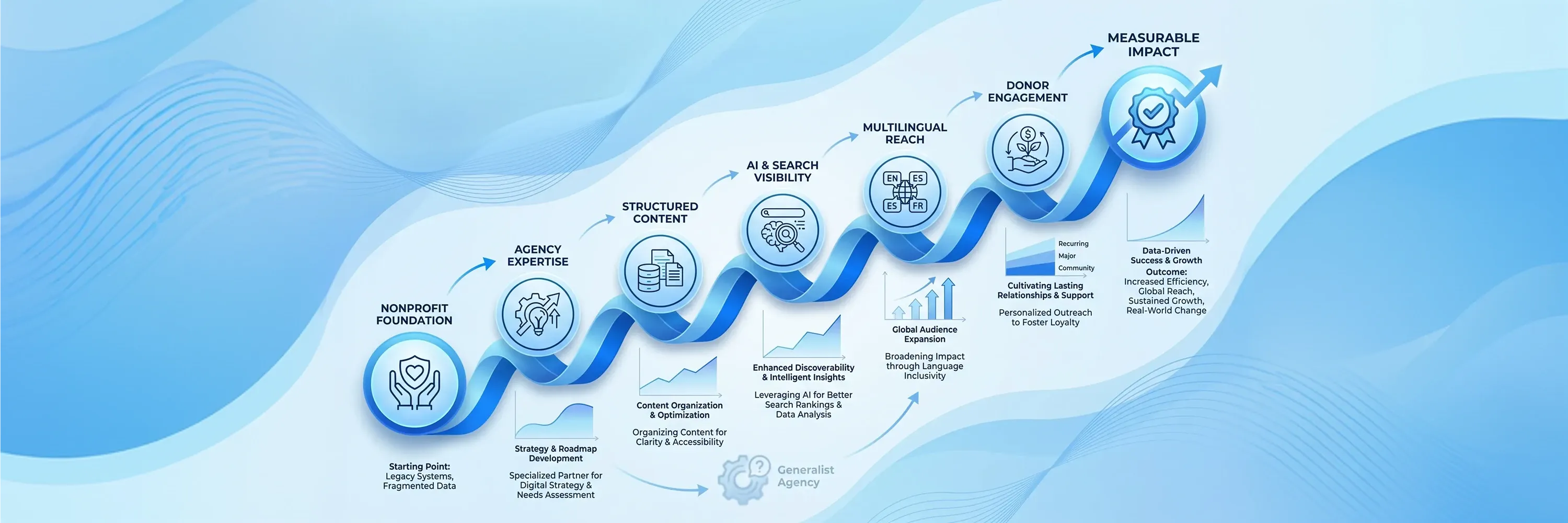
This article explains what a digital marketing agency for nonprofits actually does across search and the reporting that connects visibility to support. It shows why a mission-driven marketing agency beats a generalist for organizations with thin budgets, and it gives you a practical way to vet one and measure whether the work pays off.

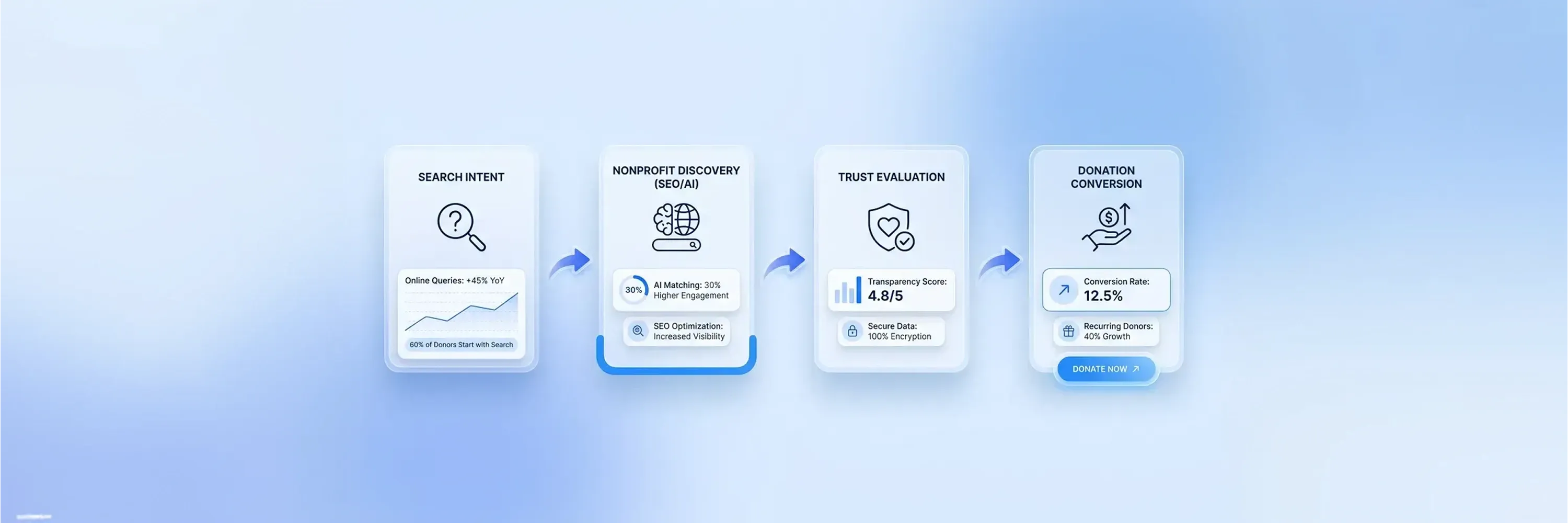
This article explains how nonprofits can use search engine optimization and AI-driven visibility to attract new donors and grow a base of lasting support. It walks through how to be found by the right people, earn their trust, and guide them from a curious search to a first gift and beyond.

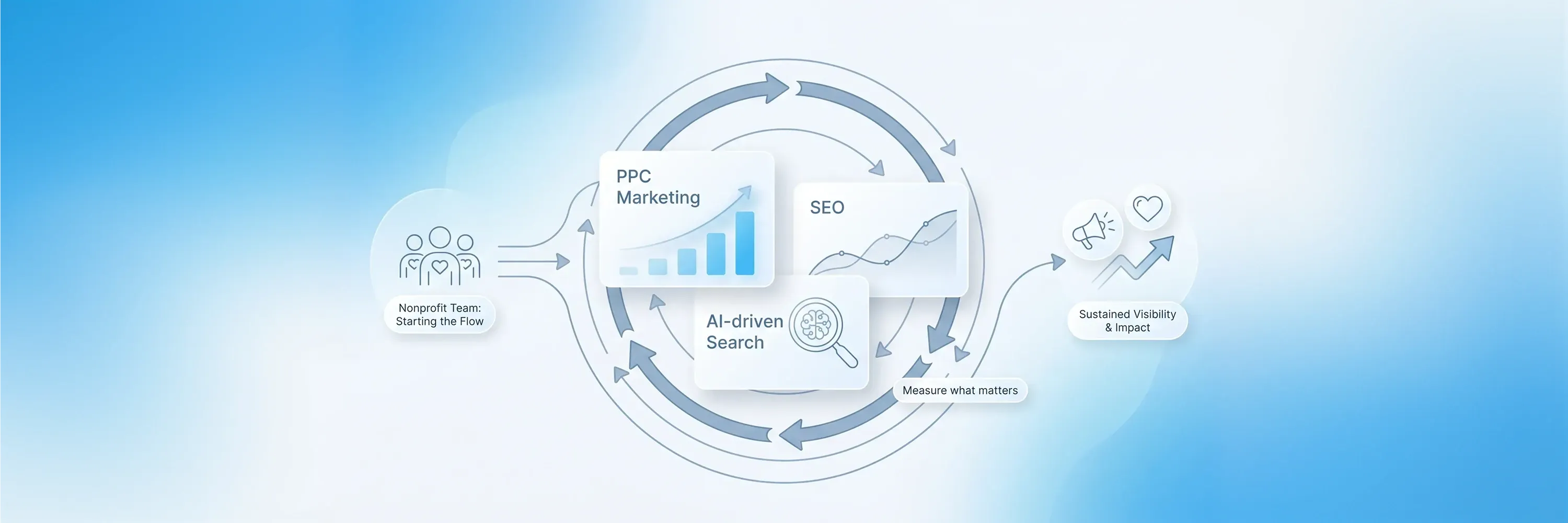
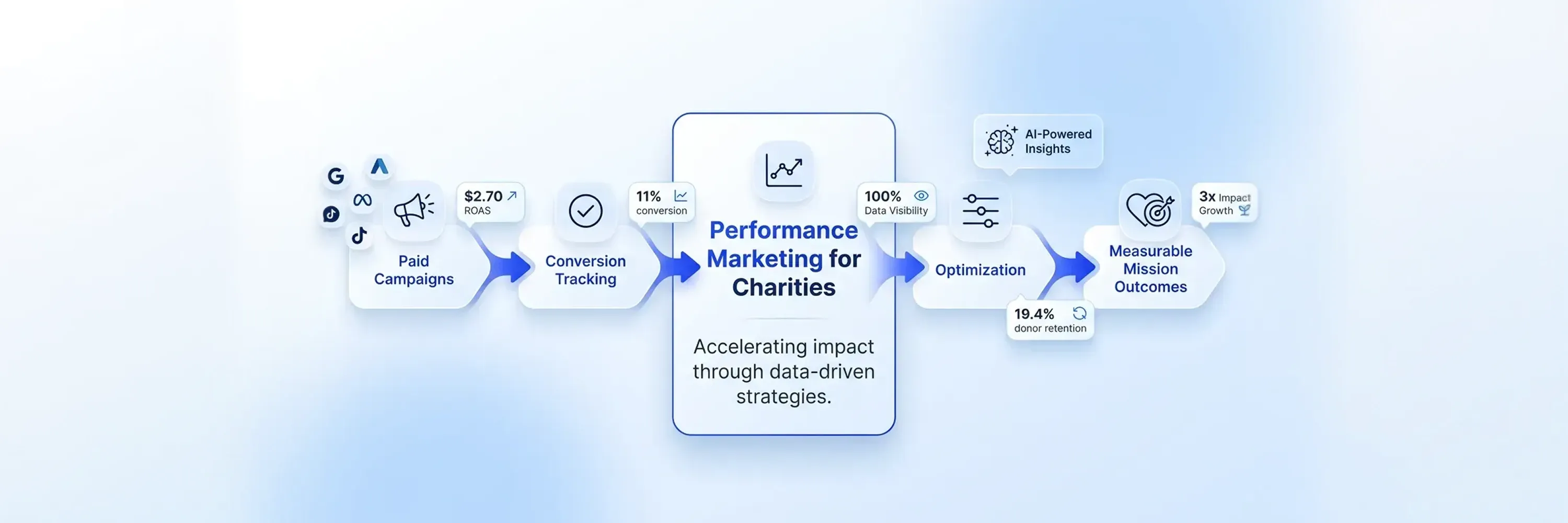
This article explains how mission-driven teams can use paid advertising to build visibility that outlasts a single campaign. It looks at where PPC fits alongside search engine optimization (SEO) and AI-driven search, how to structure ad spend for steady donor acquisition, and which numbers actually tell you whether your money is working.

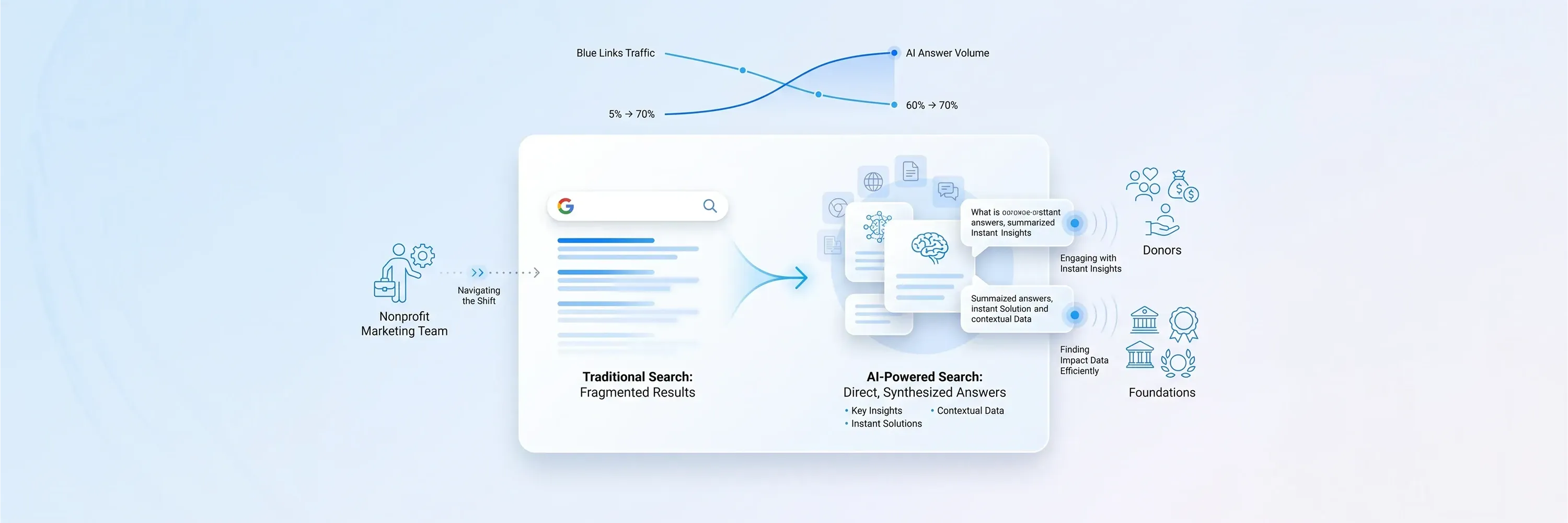
This article explains why nonprofit marketing teams need to expand their search work past Google to include AI-powered search engines like ChatGPT, Perplexity, Claude, Gemini, and Google's AI Overviews. It lays out a practical 90 day plan you can run this fiscal year, even with a lean team.

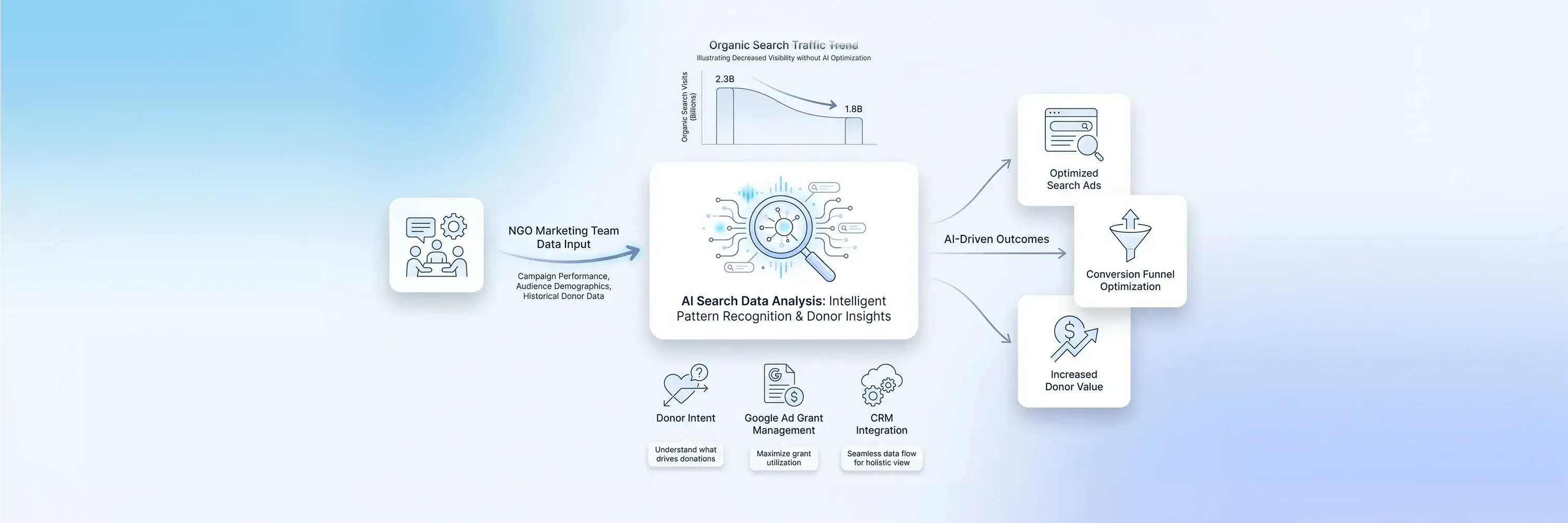
This article is a practical playbook for NGO marketing teams who want to get more from every advertising dollar. It walks through how AI insights and visibility data can sharpen paid search for NGOs working with tight budgets and shifting donor behavior.

This article explains how charities can run paid campaigns that produce results tied directly to mission outcomes rather than vanity numbers. It covers the channels worth using, the analytics setup that makes spending defensible, and how AI search is rewriting the way donors find causes online.

This article walks fundraising leads and nonprofit founders through how SEO for fundraising campaigns can put their cause in front of donors during the short windows when those donors are ready to give. You will learn how building and measurement should adjust as search behavior shifts toward AI-driven discovery.

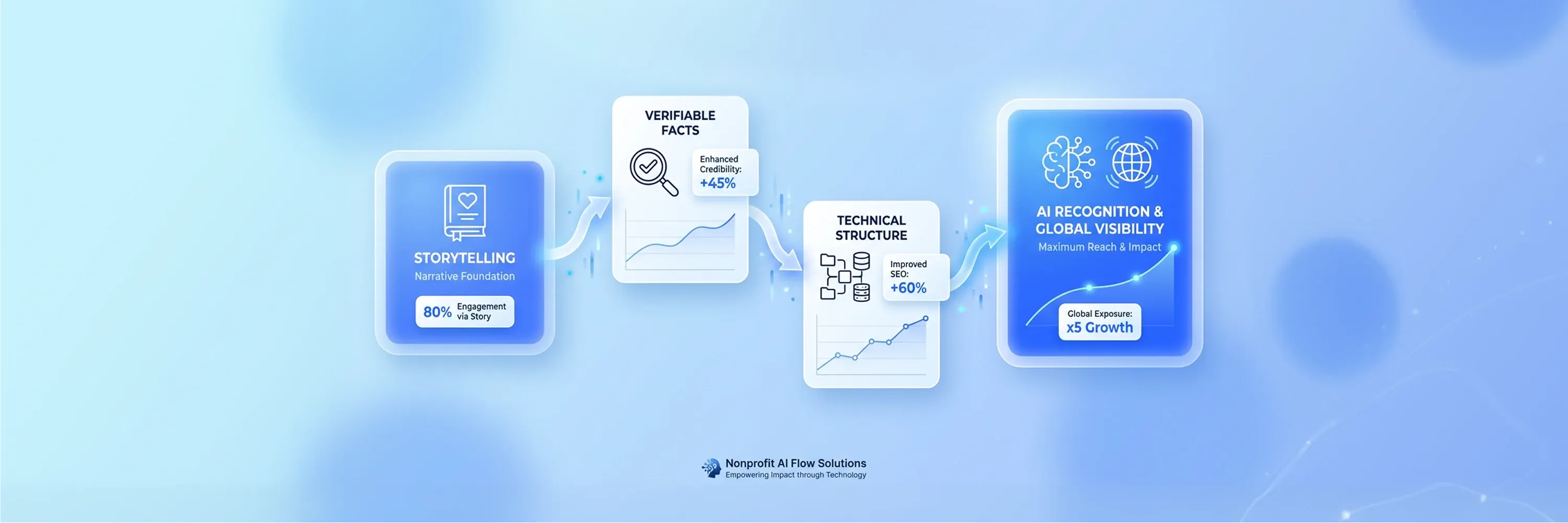
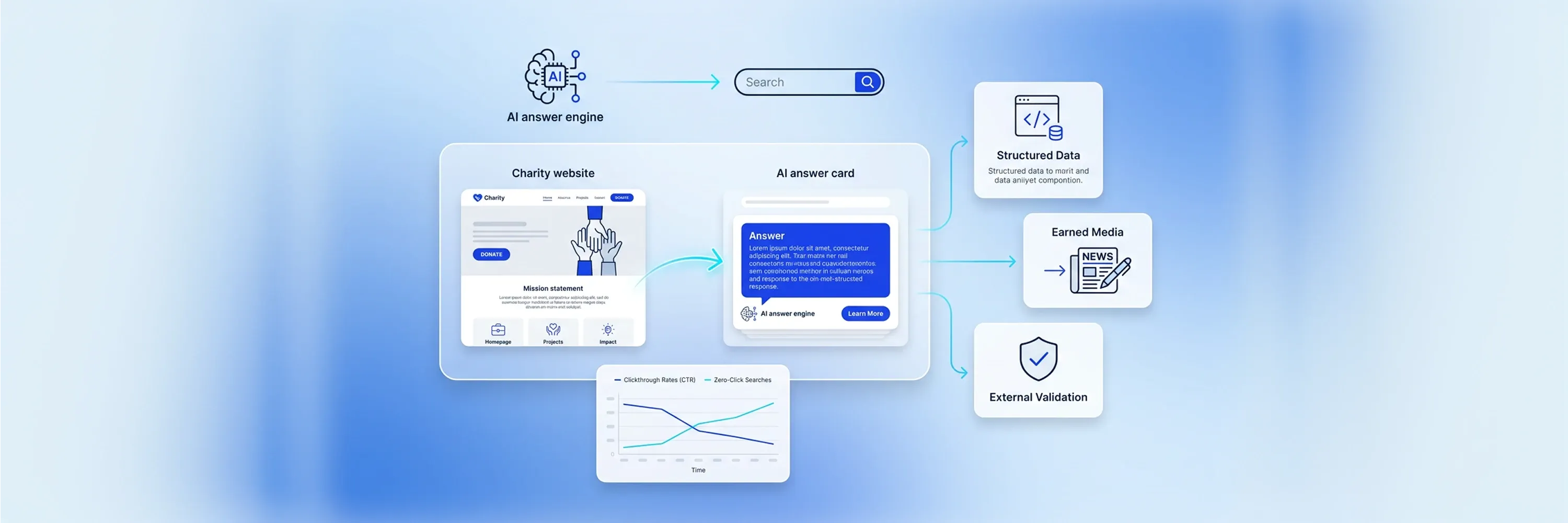
In this article, we explain how to structure authentic impact stories that build trust and secure verifiable AI search citations. We discuss the transition from traditional search optimization to generative engine frameworks that prioritize evidence-backed narratives.

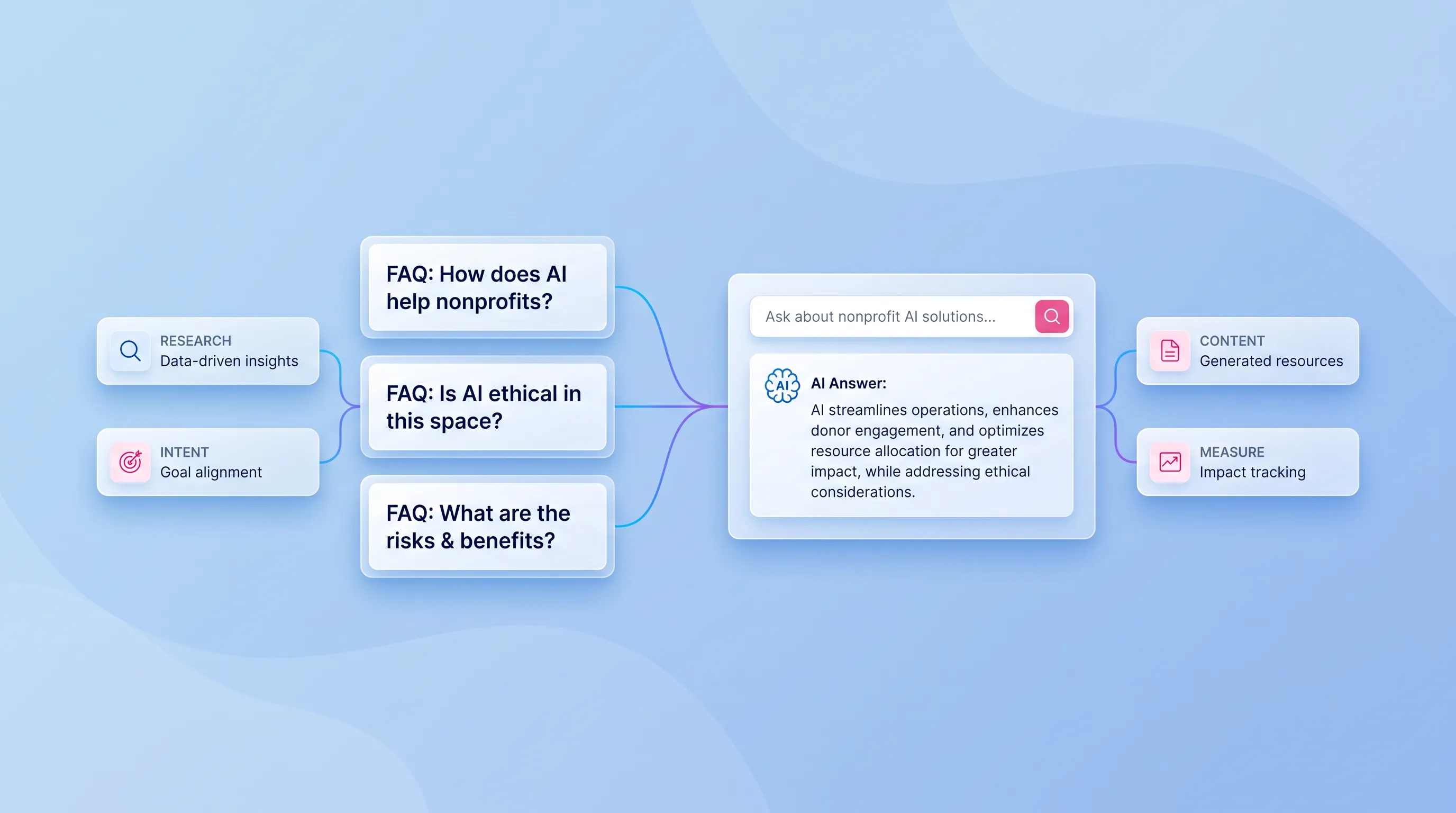
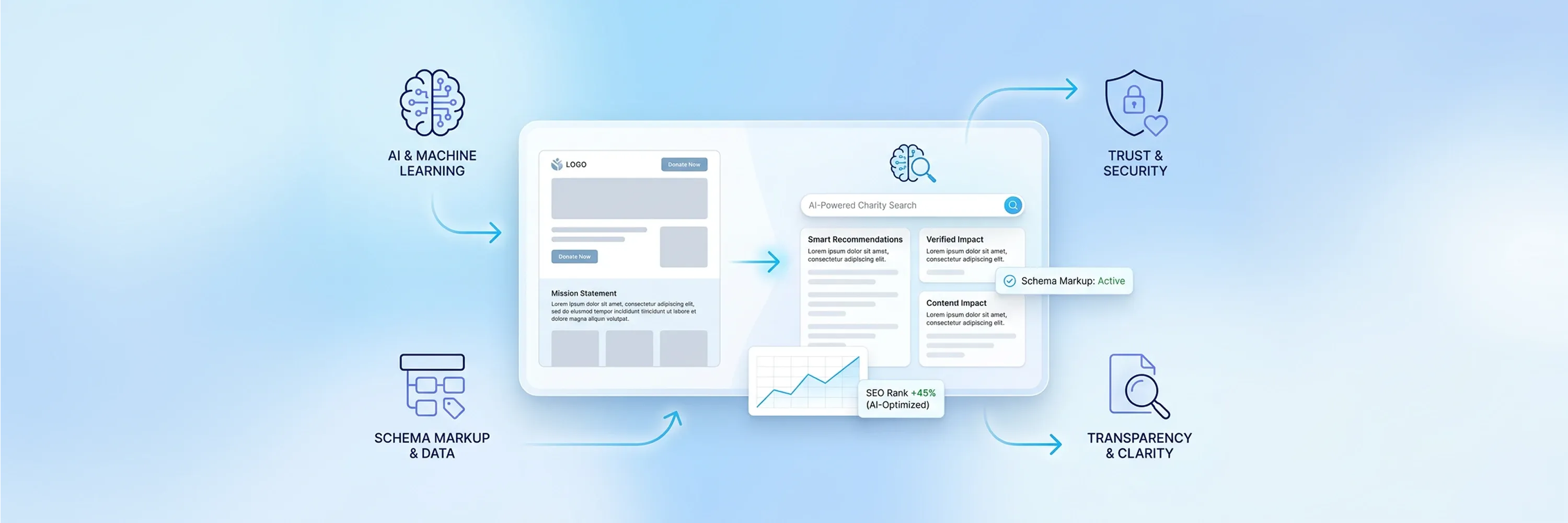
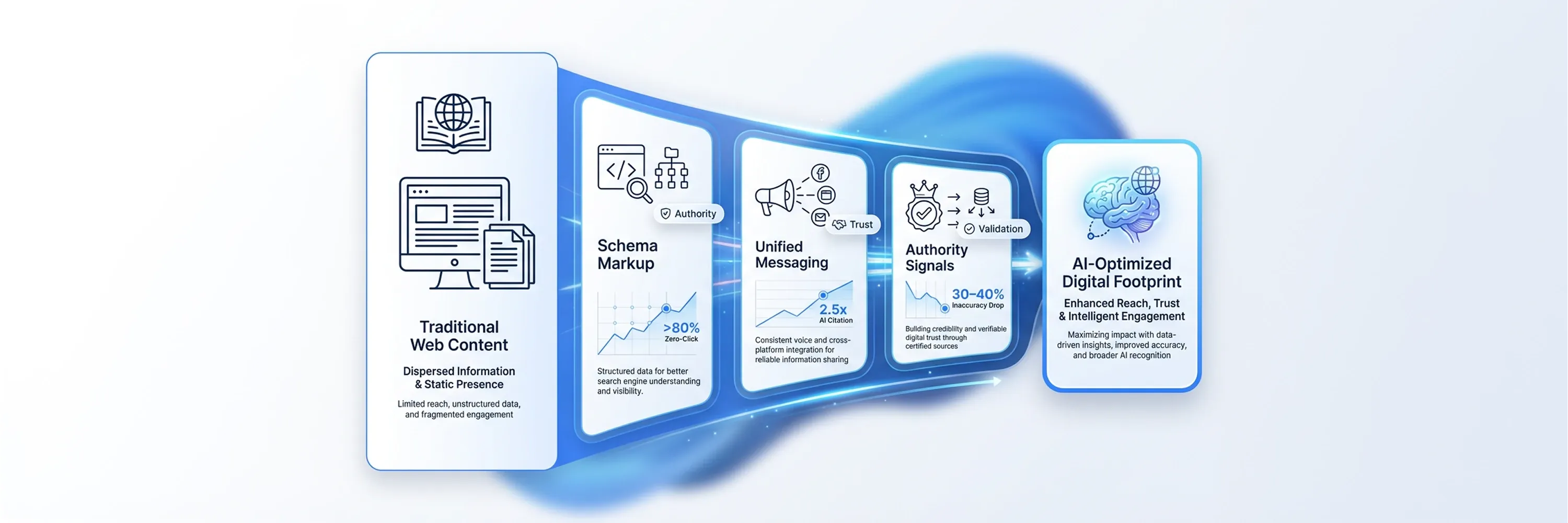
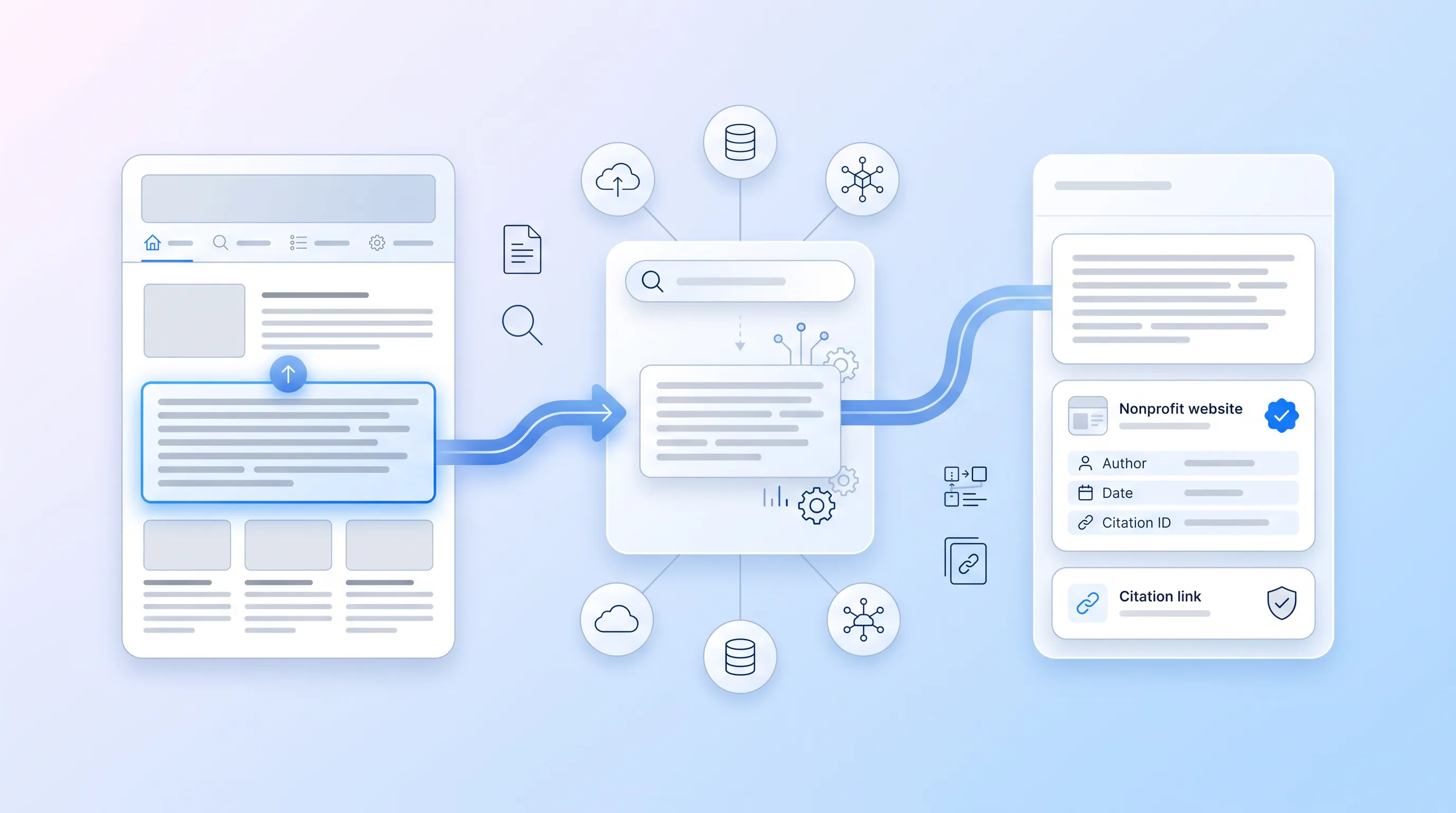
In this article, we explain how generative AI engines are changing the way supporters discover and engage with mission-driven organizations. We detail practical steps to restructure digital platforms so automated systems can easily verify and cite primary data.

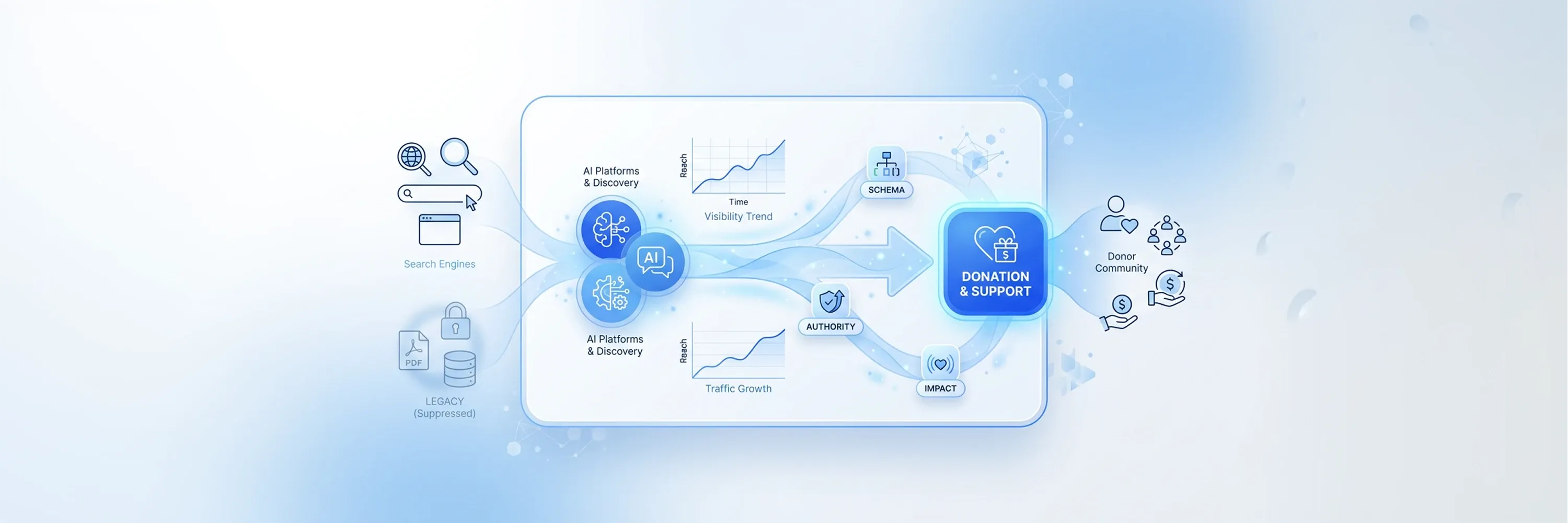
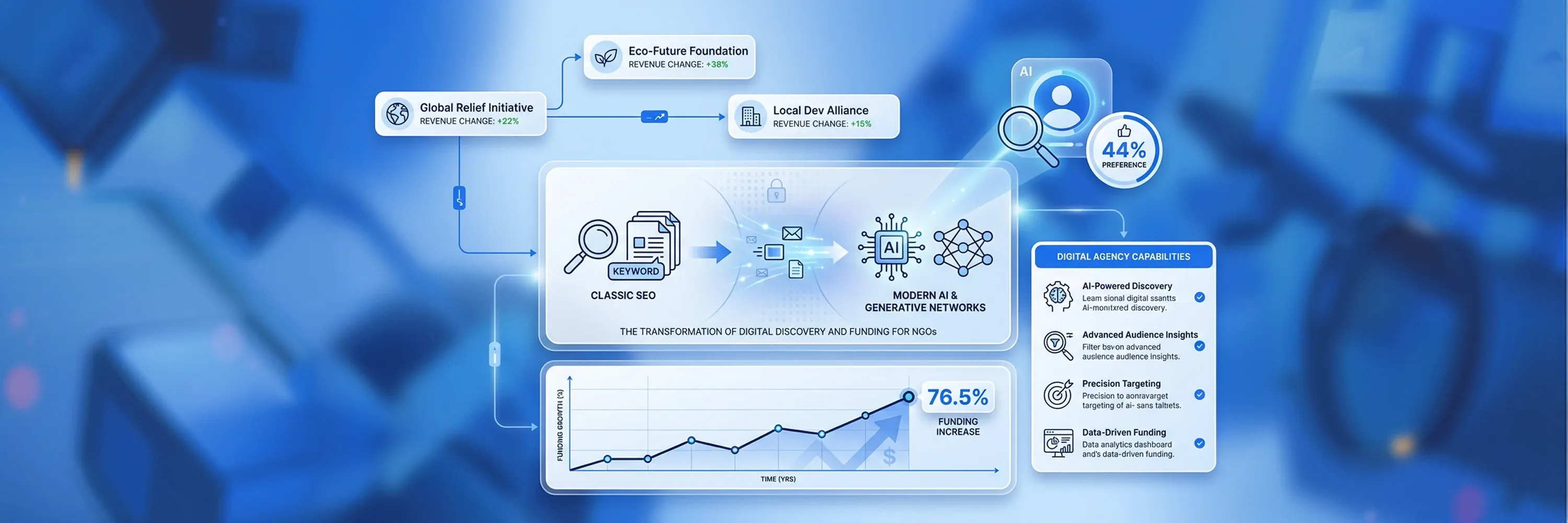
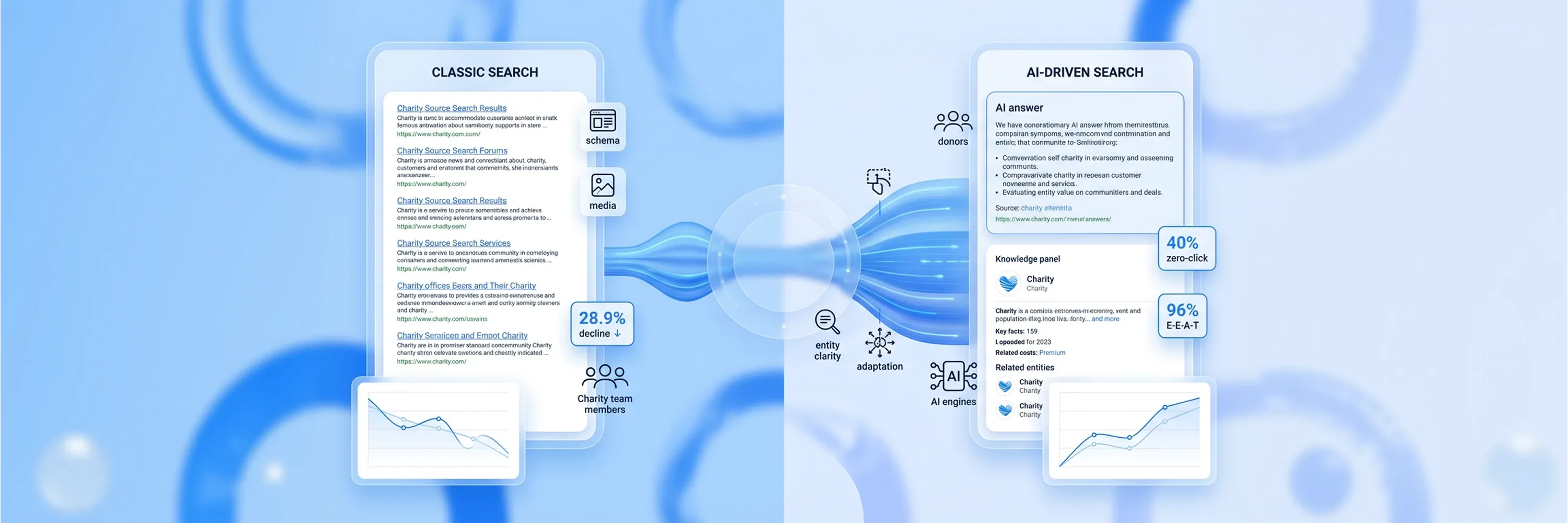
In this article, we examine how organizations combine traditional search optimization with artificial intelligence answer engine strategies to create a unified digital visibility framework. We explore the critical shift from standard rankings to direct AI citations and explain why this new visibility requires specialized guidance.

In this article, we examine the fundamental shift toward answer engine optimization and the critical need to adapt digital discovery processes. We discuss practical strategies that connect search visibility, content publishing, and performance tracking to secure consistent mission awareness.

In this article, we explain how modern search strategies improve mission-driven impact and integrate artificial intelligence visibility and trust signals. We discuss the shift from traditional keyword optimization to generative engine optimization and provide a measurement framework that fits organizational goals.

In this article, we explore how artificial intelligence fundamentally changes the way supporters discover and evaluate causes. We examine the exact framework that aligns technical website infrastructure with supporter goals so that organizations can maintain funding in a zero-click search environment.

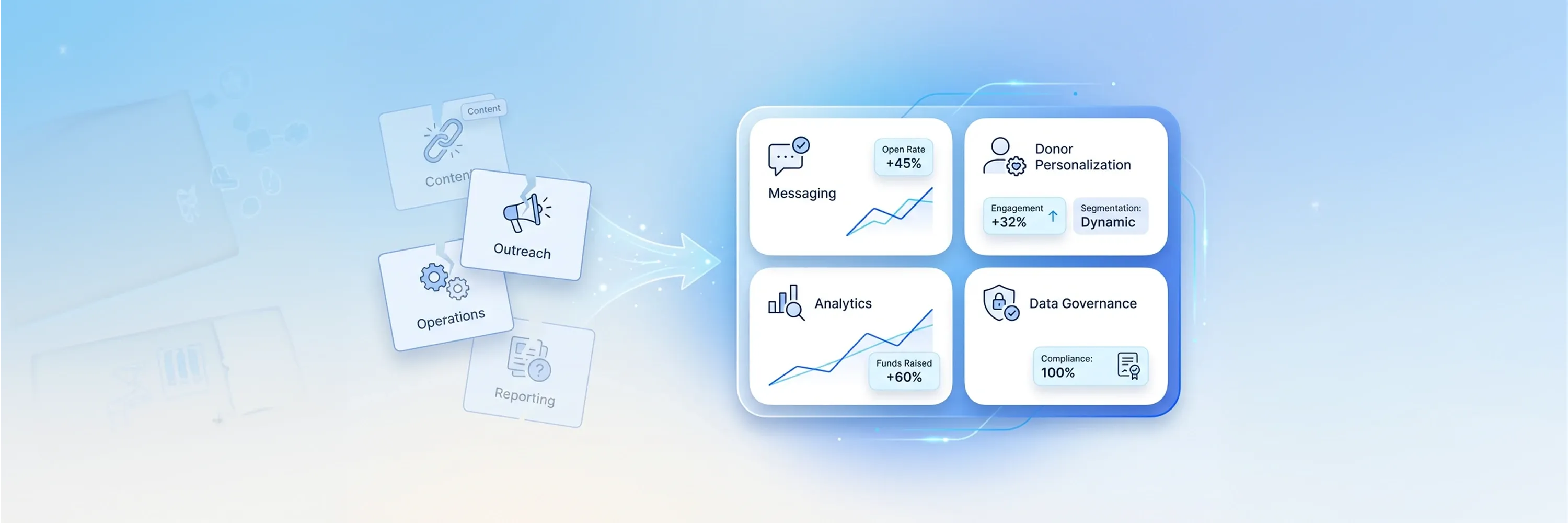
In this article, we explore how to select and implement integrated digital platforms to manage messaging. We discuss the transition from fragmented writing tools to unified systems that connect content generation, distribution, and performance tracking.

In this article, we explain how organizations can move past reactive experimentation and build a solid foundation for their automated workflows. We provide a decision matrix that helps teams choose the right platforms according to their specific capacities and operational realities.

In this article, we explain how to integrate automated systems into drafting workflows and maintain institutional credibility. We also explore practical governance frameworks that protect sensitive data and help organizations rank higher in modern search environments.

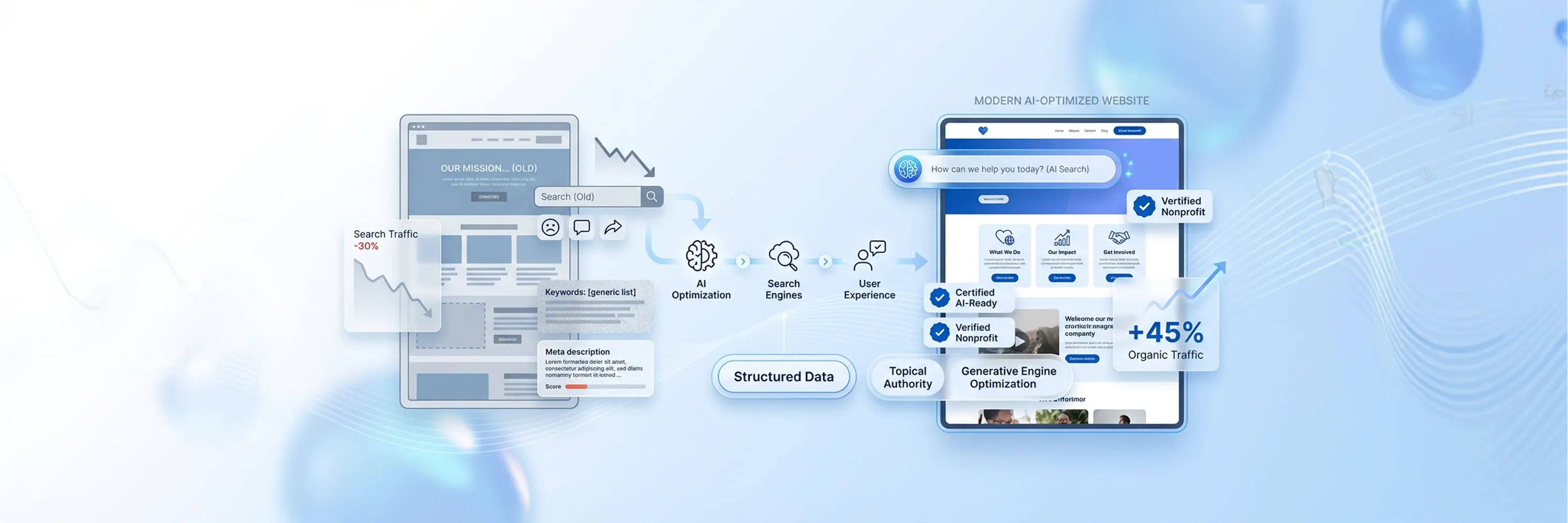
In this article, we explain how organizations can adapt digital presence to changes in artificial intelligence search engines. We provide methods to structure data and build trust, and this helps missions remain visible to supporters.

In this article, we examine how the transition toward generative response models alters digital visibility for mission-driven initiatives. We explain the exact structural adjustments that ensure organizations remain discoverable and relevant.

In this article, we explore how artificial intelligence can amplify human expertise to build long-term digital influence. We explain the exact methods to structure digital content so generative search engines can easily find and cite it.

In this article, we explain how organizations can increase their search visibility and maintain credibility. We detail how to strategically implement generative workflows to ensure institutional information appears in conversational search engine answers.

In this article, we examine the changes in digital discovery and explore how organizations adapt to new algorithms. We outline strategies to integrate content automation, transparent analytics, and structured data into marketing operations.

In this article, we explain how AI response engines changed online discovery. We explore the specific capabilities organizations need to look for when they choose an agency, and we discuss how they can secure AI visibility, maintain rigorous data governance, and measure true impact.

In this article, we examine the recent changes in online discovery and donor engagement. We explore how organizations adapt their outreach frameworks to establish reliable connections alongside artificial intelligence and new funding models.

In this article, we explore how the transition to AI-generated search results impacts digital visibility for causes. We break down the exact steps organizations take to secure AI citations through third-party media and use paid advertising grants.

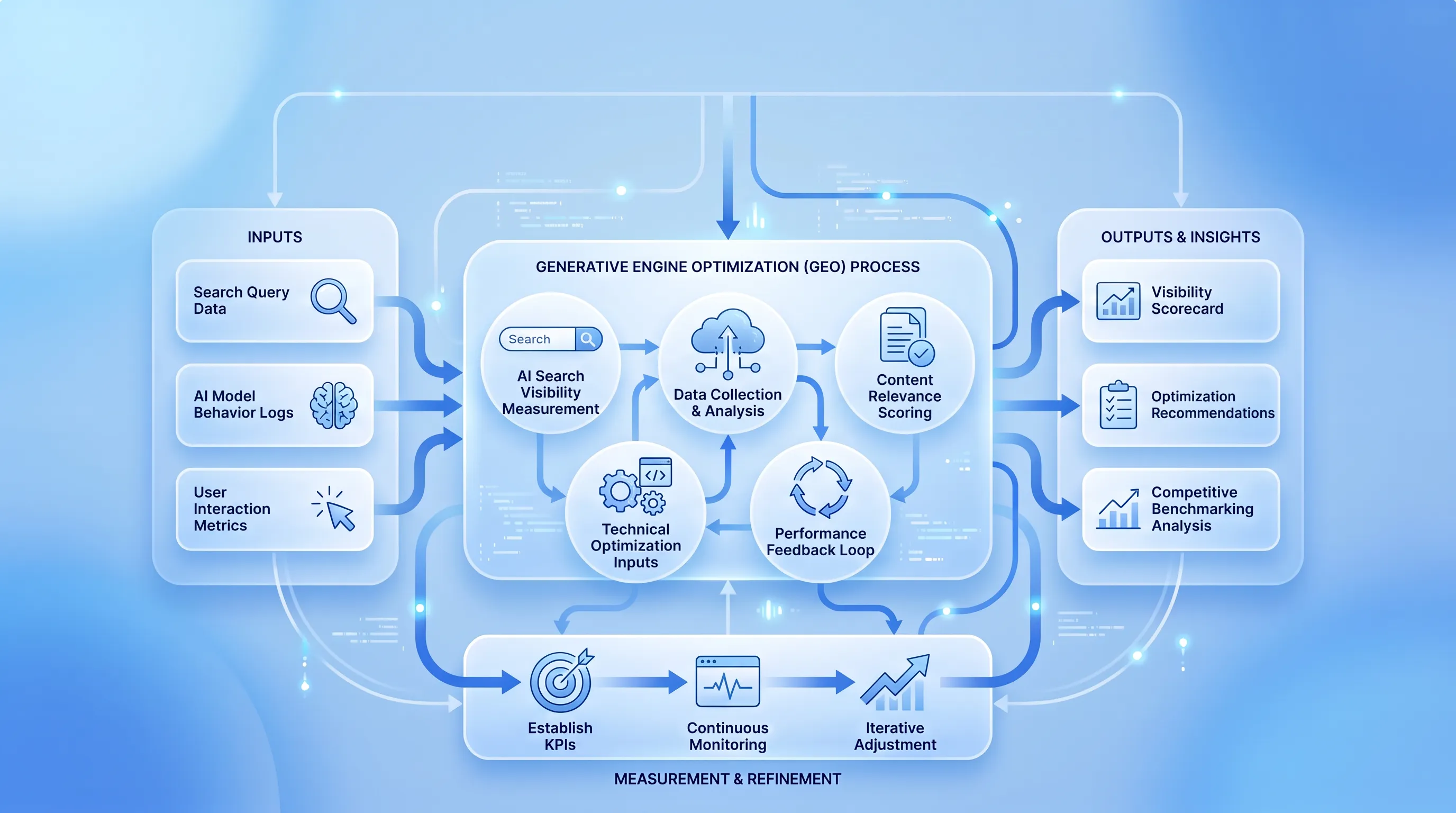
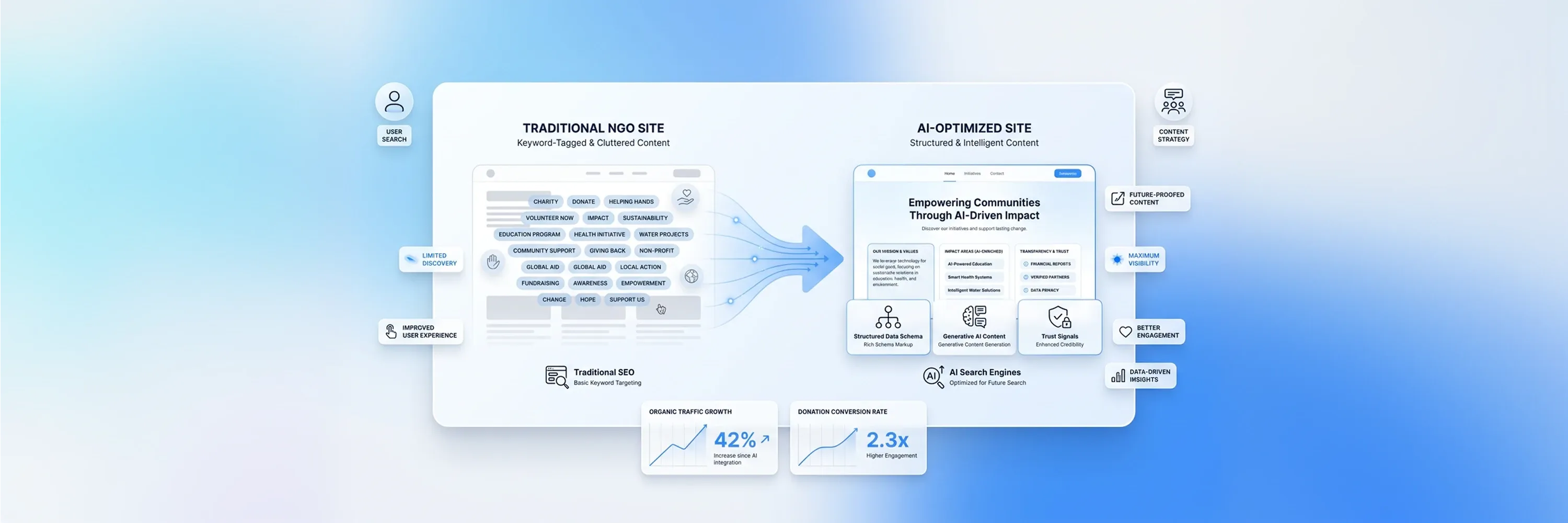
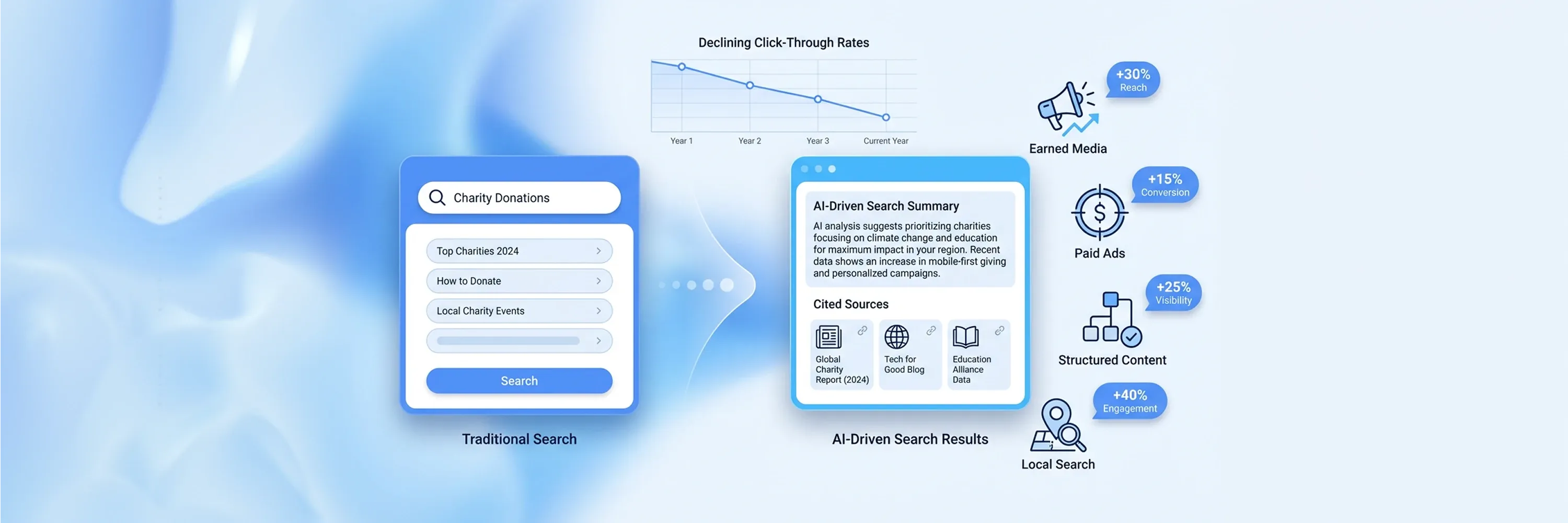
In this article, we examine how the shift from traditional search engines to AI-driven platforms affects digital visibility for nonprofit organizations. We explore the basic parts of generative engine optimization and explain why adapting content remains critical for maintaining discovery and influence in today's search landscape.

In this article, we explain how to scale digital storytelling and maintain search visibility. We also discuss how to balance automated generation with human refinement to preserve authentic stakeholder engagement.

In this article, we explore the shift from traditional search engines to generative artificial intelligence platforms and explain why non-governmental organizations must adapt to the zero-click era. We examine how organizations achieve citation-based visibility when they restructure authentic impact stories into extractable data.