Introduction
Organizations can no longer rely exclusively on traditional keyword-driven search rankings. They face a digital landscape that has shifted toward artificial intelligence answer engines, and this fundamentally changes how communities discover causes. Organizations must earn direct citations within AI-synthesized answers to establish digital trust and cause discovery. They lose visibility when they ignore this transition because 60% of all searches now end without a click to any destination website. They reach fewer potential donors through the old method of relying on blue links because search platforms synthesize data directly on the results page.
Artificial intelligence models evaluate organizational authority and structure before they provide answers to users. This technical environment requires a unified approach that combines traditional website health with active citation strategies. Effective SEO consulting for charities provides the necessary framework to establish this authority. Organizations secure sustainable digital visibility when they optimize simultaneously for traditional search algorithms and artificial intelligence platforms.
Paradigm Shift to AI Answer Engines
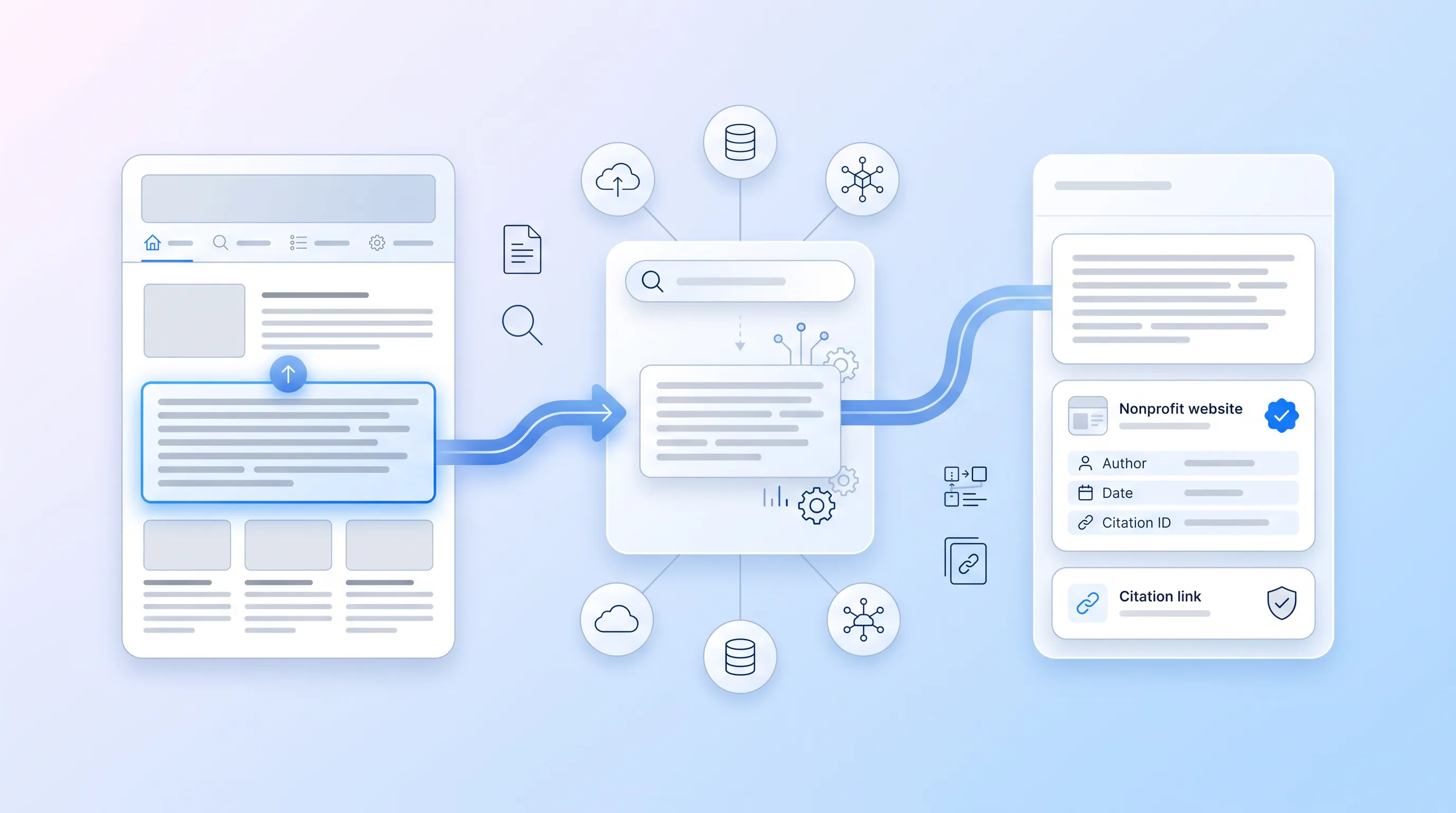
Algorithms historically used backlinks and keywords to rank websites and create lists of blue links. Now, artificial intelligence platforms evaluate and synthesize data directly for the searcher. These platforms read the internet, understand context, and construct direct responses. A modern nonprofit growth strategy accounts for how these systems process organizational data. When users ask questions about charitable causes, they expect immediate answers with complete certainty. Platforms like ChatGPT and Perplexity deliver these direct responses, and they do not require users to visit external websites. According to Bain & Company, 80% of consumers rely on zero-click search results for at least 40% of their queries.
Organizations that ignore this shift often lose visibility with their most engaged supporters. Institutions adapt to this shift by building a solid digital foundation. These institutions move away from simple keyword targeting and provide structured data that AI models can easily digest. For example, a major environmental group increased their inclusion in AI summaries within three months after they updated their site architecture for answer engines. Effective SEO consulting for charities helps organizations adapt their content to satisfy this new algorithmic evaluation process. As the traditional search ecosystem evolves, digital leaders adopt new technical frameworks because standard methods fail to capture artificial intelligence citations.
Why Standard SEO Fails to Capture AI Citations
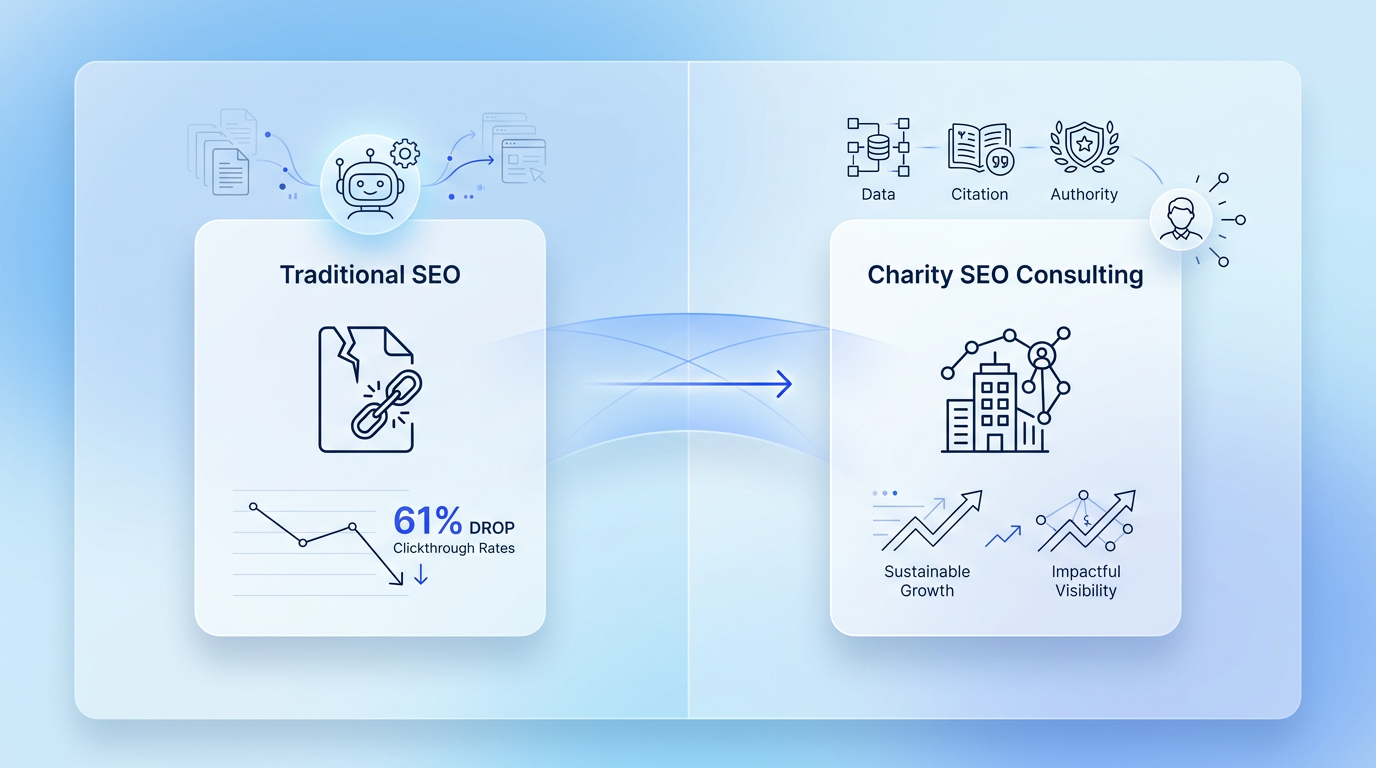
Traditional search engine optimization focused entirely on ranking ten blue links on a results page. Today, artificial intelligence models synthesize answers from multiple sources, and they rarely send traffic to the original creators. A Seer Interactive Analysis reveals that clickthrough rates fell 61% for Google search queries that feature AI Overviews. This sharp decline demonstrates why standard methods fall short in the current digital environment. Visibility now requires precision in how organizations structure their public information.
Algorithms require machine readability to cite an organization as a credible source. Charity SEO consulting addresses several critical failures in traditional search campaigns:
-
Traditional campaigns rely on long-form narrative text instead of direct answers.
-
These campaigns ignore the technical data structure behind the website content.
-
Standard methods fail to build external authority through digital public relations.
The SEO for Charities article helps leaders see why older optimization tactics no longer work. Proper seo consulting for charities bridges this gap between old habits and new requirements to secure digital authority.
SEO Consulting for Charities and Answer Engine Optimization
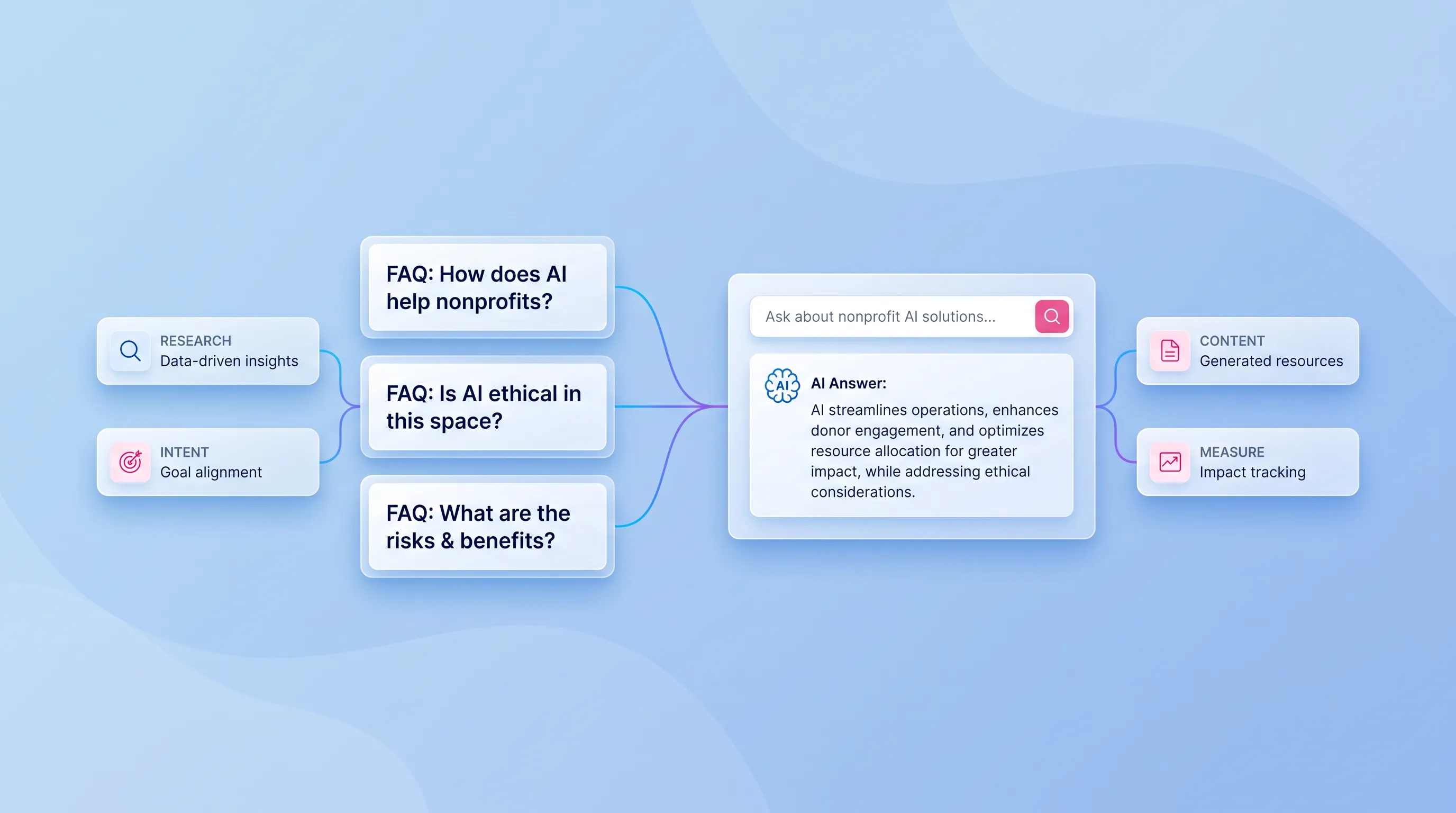
Organizations build a dual-engine trust strategy to secure this digital authority when they combine traditional search optimization with answer engine optimization. Traditional algorithms still crawl websites to establish baseline authority, but answer engines require a different format to extract information. Organizations bridge this content gap when they format their knowledge so both systems can process it. For instance, a regional health initiative improved their digital reach after they restructured their website content into direct question-and-answer formats.
According to a SurferSEO study cited by Evergreen Media, 40-61% of AI Overviews use lists or bullet points to organize cited information. This data proves that AI systems prefer highly structured facts because they do not process dense paragraphs efficiently. When organizations present their mission impact through clear formats, they become reliable sources for AI models.
A successful nonprofit growth strategy treats traditional search engine health as the foundation for AI visibility. Both systems demand fast loading speeds, clean code, and authoritative backlinks from respected journalism outlets. Earned media now outweighs owned website content because AI platforms prioritize independent journalistic verification. Institutions that study the Nonprofit SEO That Builds Authority article ensure that their organization remains visible across all platforms. This combined approach protects the mission against sudden algorithm changes. When organizations feed clear data to both traditional crawlers and modern answer engines, they build lasting digital trust and authority.
Inverted Value of Earned Media over Owned Assets
Artificial intelligence platforms evaluate this digital authority differently than traditional search engines do. Answer engines prioritize third-party validation over self-published content. When algorithms build responses, they look for external verification to confirm that an organization's work is legitimate. An Observer Magazine report shows that 89% of links cited by artificial intelligence originate from earned media sources, not owned content. This data proves that external mentions carry more weight than an organization's own blog posts. AI models treat independent coverage as a sound indicator of trust. If respected publications cover an initiative, the algorithms develop the conviction that the organization deserves a citation in the synthesized answer. Charities must adapt their approach to search engine marketing in the age of AI. Effective SEO consulting for charities focuses on relationships with external publishers because website content alone no longer generates visibility. This strategy ensures that third-party platforms validate the mission, and this external platform distribution teaches the algorithms to recommend the organization to potential supporters.
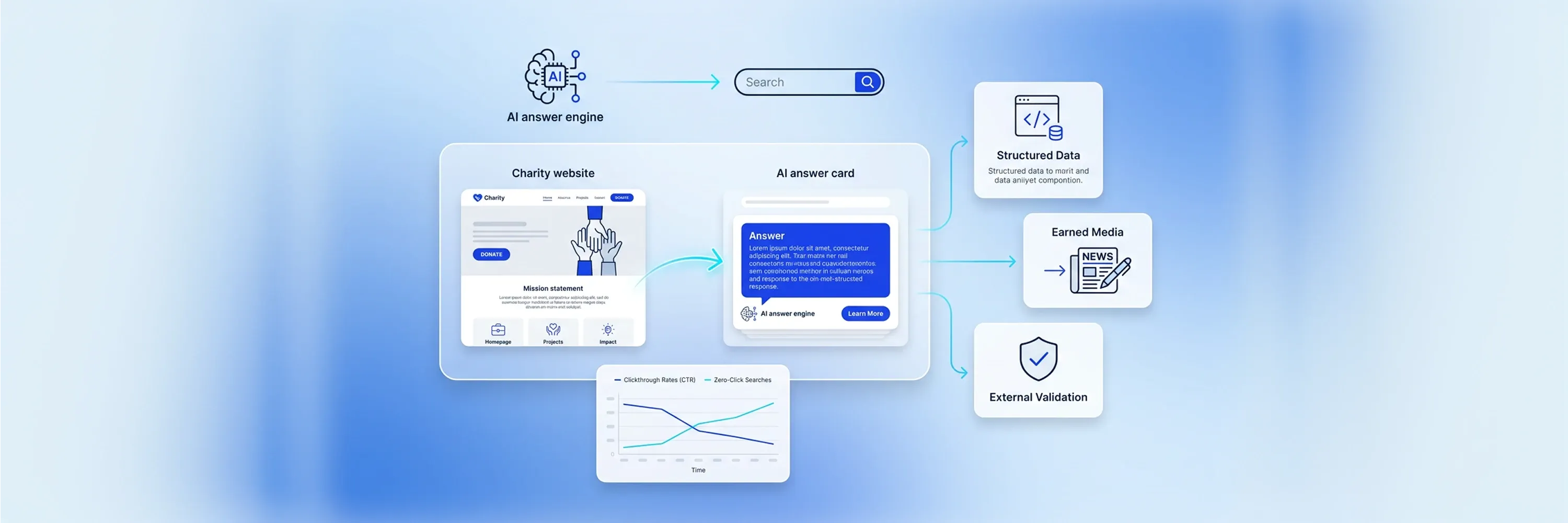
Impact of Third-Party Distribution in Charity SEO Consulting
External platform distribution creates a powerful network of digital signals. When organizations share their impact reports only on their own domains, they isolate their message. Answer engines need assurance that the information matters to the broader public. Third-party news outlets provide this exact signal. Research from Stacker and Scrunch reveals that content distribution through third-party news outlets produces a 325% median lift in AI search visibility. This data demonstrates why charities must look beyond their own websites. Proper charity SEO consulting emphasizes active content distribution across established news networks. Institutions place stories in established journalistic platforms to force artificial intelligence models to recognize their authority across multiple sources.
Validation Through High-Authority Journalism
These established journalistic platforms serve as a strong trust filter for modern algorithms. Artificial intelligence models rely on high-authority publications to separate facts from promotional material. A mention in a reputable newspaper establishes validity. A recent Whitehat SEO Analysis confirms that 38-51% of citations across all AI platforms come from news and publisher sources. This heavy reliance on journalism means that digital visibility requires traditional media relations. A thorough nonprofit growth strategy treats journalistic mentions as crucial technical assets. When respected journalists write about a cause, they provide the exact external validation that algorithms require to cite the organization directly and increase its digital visibility.
Strategic Consulting as Vital Asset
Charities must recognize this digital visibility as a core component of organizational sustainability. Technical optimization often sat within the marketing department as a routine operational task. The rise of answer engines elevates this work to a strategic priority. Long-term donor acquisition requires a sophisticated infrastructure that specialized experts build. Institutions that understand how to select a digital marketing agency know that outside expertise provides the necessary technical foundation for modern discovery. An AuthorityTech Research Summary indicates that brand web mentions correlate three times more strongly with AI visibility than traditional backlinks. This data highlights why organizations can no longer treat search optimization as a simple checklist. Expert charity seo consulting translates this data into an actionable nonprofit growth strategy that builds confidence among stakeholders.
Organizations must follow a specific sequence of steps to capture this new visibility and protect their digital investment:
-
Audit existing website architecture for machine-readable data structures.
-
Restructure narrative paragraphs into clear formats that algorithms process easily.
-
Pitch impact stories to high-authority journalistic publications to secure external validation.
-
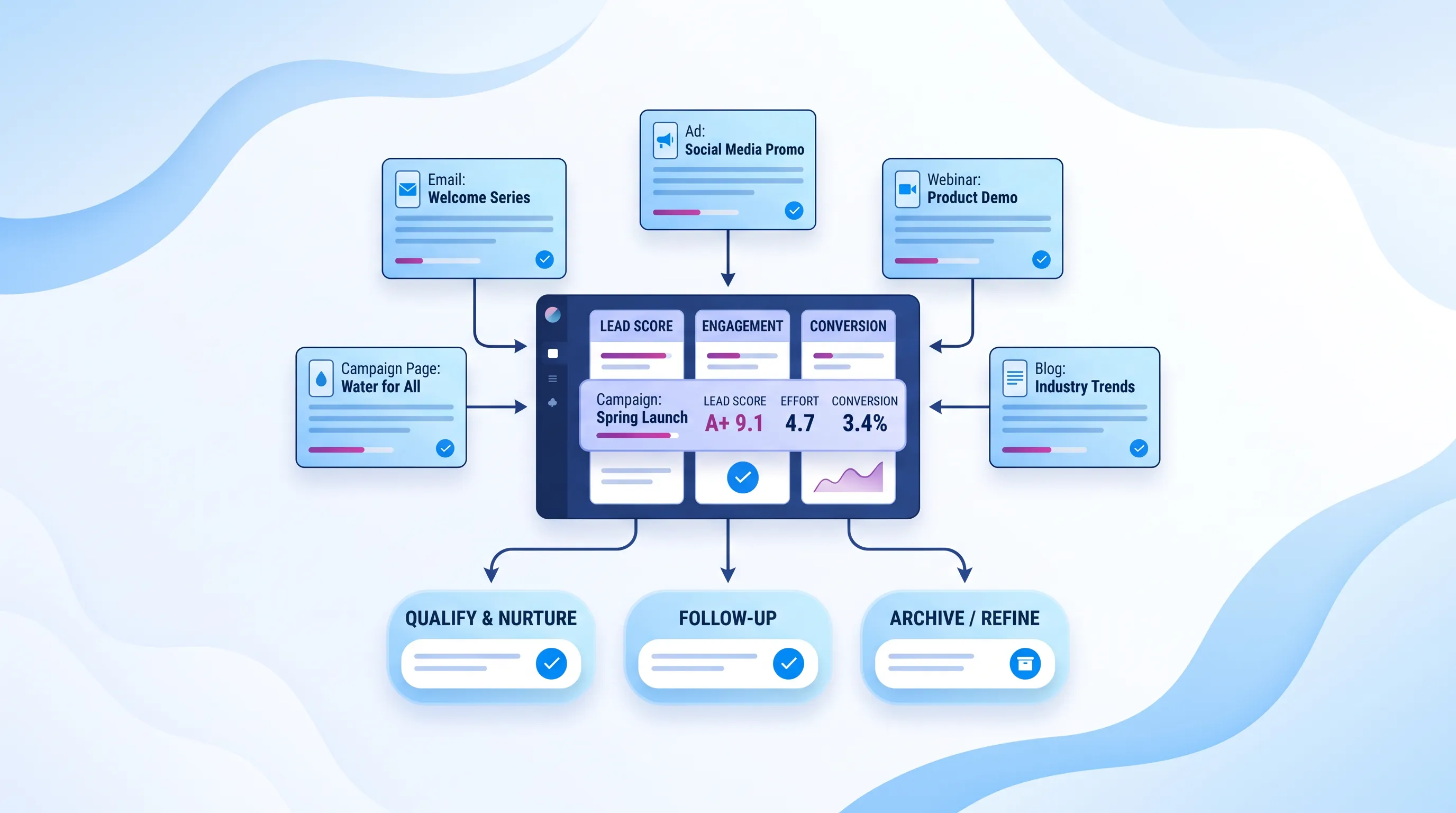
Monitor artificial intelligence citations to refine ongoing media campaigns.
This structured sequence turns basic technical tasks into a measurable technical asset that supports the charitable mission for years to come.
Conclusion
This article summarizes the major points about establishing a unified digital visibility framework to support this charitable mission. While artificial intelligence visibility represents the future of discovery, traditional search engine health remains the mandatory technical foundation that AI models learn from. Algorithms require clear and structured data to create accurate responses. A unified visibility strategy that combines technical website health with earned media yields long-term returns for charitable missions.
Professional SEO consulting for charities ensures that organizations establish this necessary infrastructure. When organizations invest in nonprofit search visibility, they build a strong digital presence that survives algorithmic shifts and consistently attracts dedicated supporters. Evaluating current website architecture helps organizations start this improvement process.