Clarify the next step
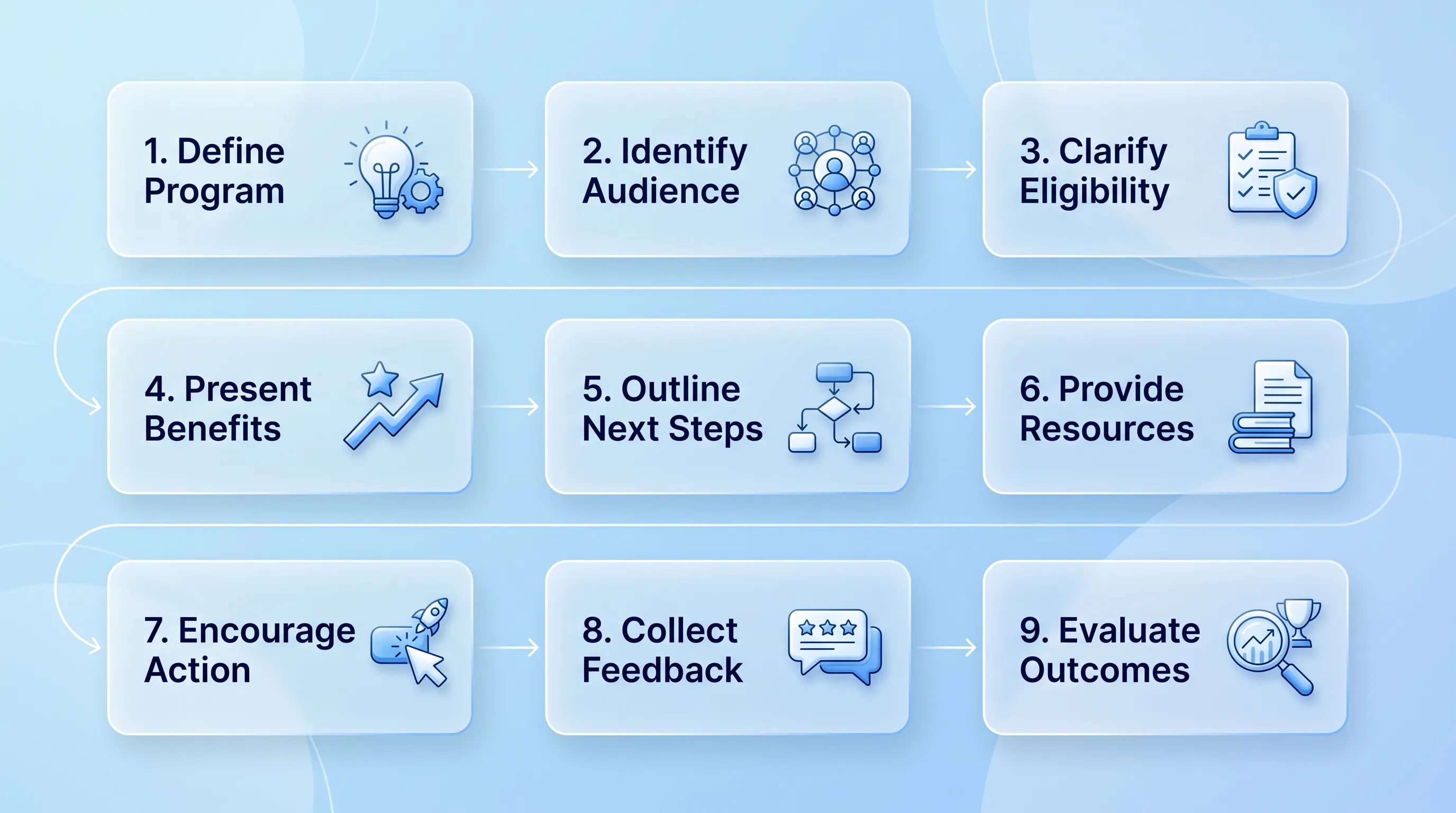
A call to action earns its place by arriving after the reader has what they came for. Put the complete answer on the page, then offer the thing that genuinely extends it: a template or a clinic location finder.
Gating the essential information is the mistake that damages the most. If someone needs to know their rights at a deportation hearing, the rights go on the page and the form comes afterward, which is also what the UK Fundraising Regulator's Code of Fundraising Practice has in mind when it requires that fundraising not be unreasonably intrusive or persistent. An interstitial that blocks the text or a donation ask in the second sentence signals the same thing to a reader: the page was built for you. One next step per page, placed where the argument finishes, converts better and reads honestly.
Apply the framework
Here's a before-and-after on a heat-safety page from a community health organisation.
Before: "Heatwaves are becoming increasingly common due to climate change, and vulnerable populations are at serious risk. Our dedicated team has been working tirelessly to protect communities. Donate today to help us save lives."
After: "Heat-related deaths in Europe reached roughly 62,000 in the summer of 2022, according to a Nature Medicine analysis of mortality records across 35 countries. People over 65 and those taking diuretics or antipsychotics face the highest risk. If you're caring for an older relative without air conditioning, the two actions that matter most between 11am and 5pm are moving them to the coolest room in the home and checking their fluid intake every two hours. Reviewed by Dr. [name], consultant geriatrician, March 2026. If you run a day centre and want our one-page heat protocol for staff, request it here."
Four things changed after applying a trust-first content framework. The claim now has a source and a date, which are the AI credibility signals a summarising system can carry forward. The advice names a person and an action. The nonprofit trust language dropped the heroic framing and the vague "vulnerable populations" in favour of a described group. And the ask moved to the end and offers something useful instead of asking for money in exchange for nothing.
Audit content before publishing
Run five passes before anything goes live, and assign each one to someone who can actually say no.
-
Evidence check, owned by the editor. Every number traces to a primary source and every source is named in the text.
-
Subject review, owned by a programme or technical expert. The guidance is correct and safe to follow unsupervised.
-
Ethical risk, owned by whoever holds safeguarding or communications policy. Consent for images and stories is documented, and no claim overstates the organisation's role.
-
Readability, owned by the editor. Short sentences and plain structure, with plainlanguage.gov's guidelines as the reference point.
-
Conversion placement, owned by fundraising or engagement. One ask, positioned after the substance, with nothing essential behind a form.
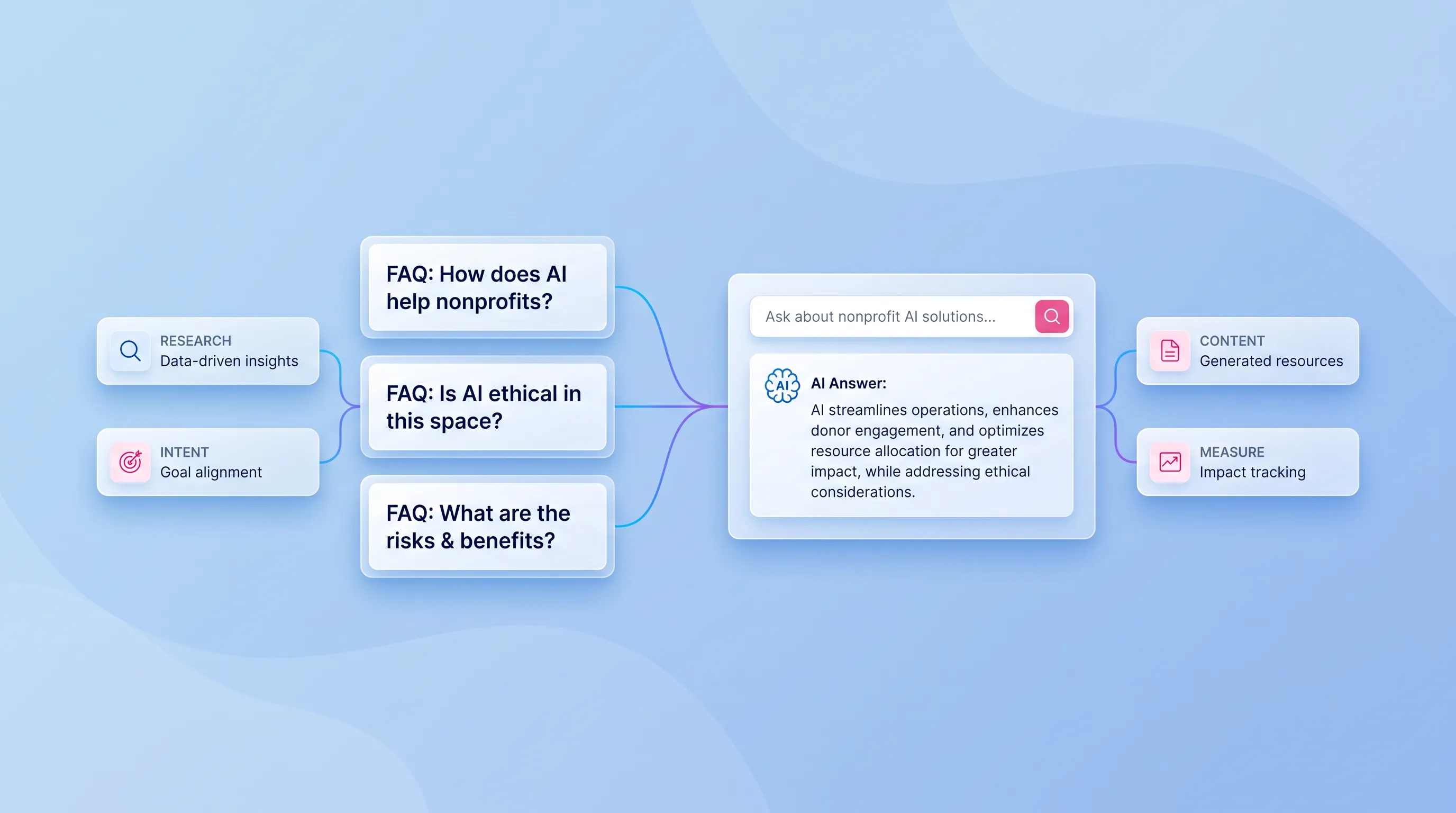
Nielsen Norman Group's usability research on AI chat interfaces found people struggle to judge the reliability of generated answers, which puts more weight on what you publish upstream. A trust-first content framework only works if the audit is a gate.
Measure trust and action
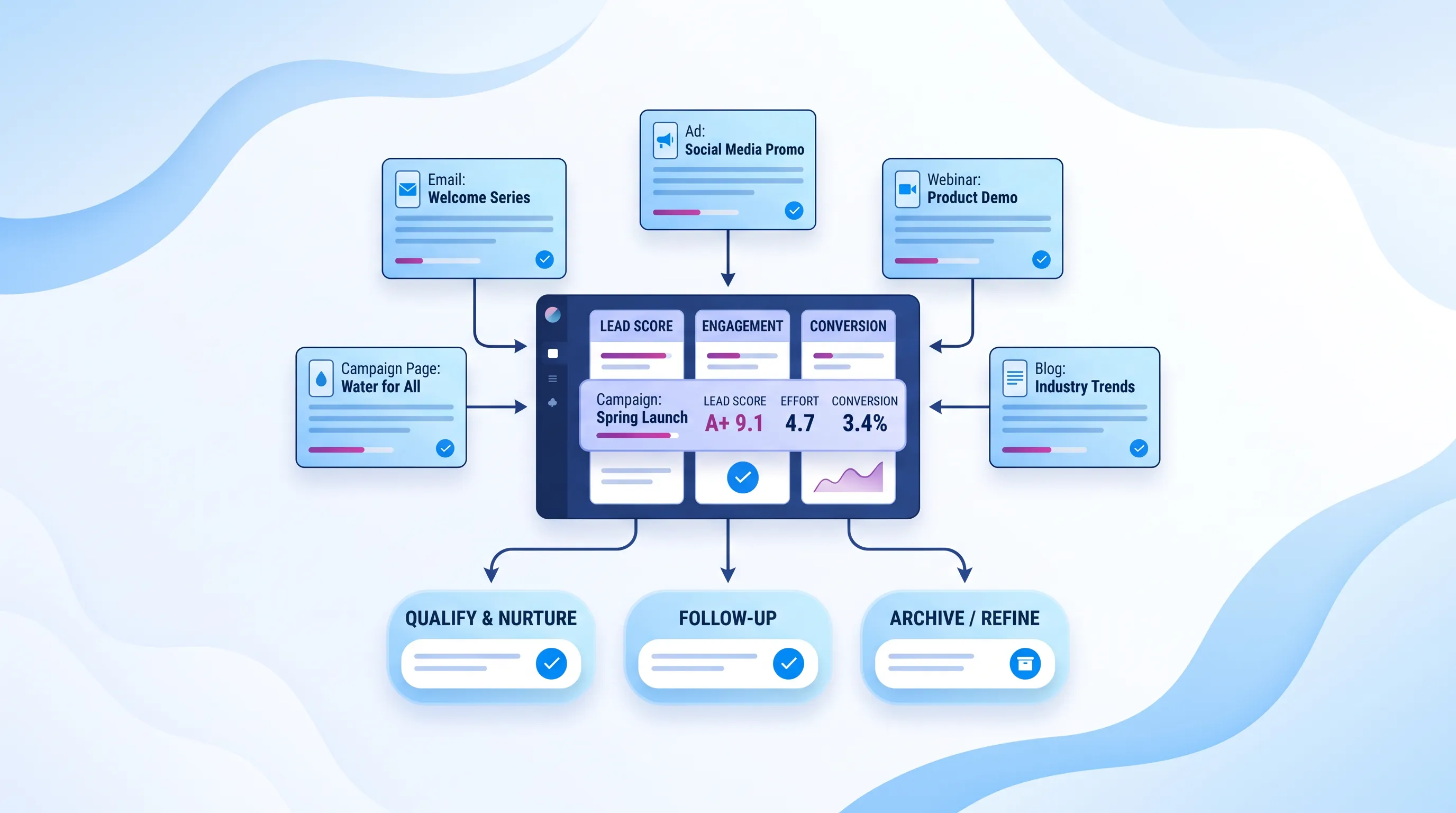
Traffic tells you a page was found without confirming it was believed, so a trust-first content framework measures more than visits. Pair the volume numbers with evidence that someone acted on what they read.
-
Scroll depth and time on page for long-form guidance, read against the length of the piece rather than a site-wide average.
-
Citation tracking: whether AI assistants and other organisations quote your page, and whether they quote it accurately.
-
Qualified enquiries that reference the specific content.
-
Completed actions downstream, like protocols downloaded and then returned with feedback.
Qualitative signals carry more weight than the dashboards suggest. Ask five people who used the guidance what they did differently. Charity Navigator's accountability and finance methodology rates organisations partly on published policy and disclosure, which is a reminder that external assessment runs on documented substance. AI visibility is a distribution metric, and treating it as proof of credibility inverts the whole argument. Nonprofit trust language in your reporting holds to the same standard you apply on the page.
Get expert support
Snoika Foundation works with mission-driven organisations on educational content that holds its accuracy under scrutiny and under summarisation. If you're adapting a library of explainers or building review gates that your programme experts will actually use, book a focused call with us and we'll work through your content set and show you where a trust-first content framework changes what gets published.