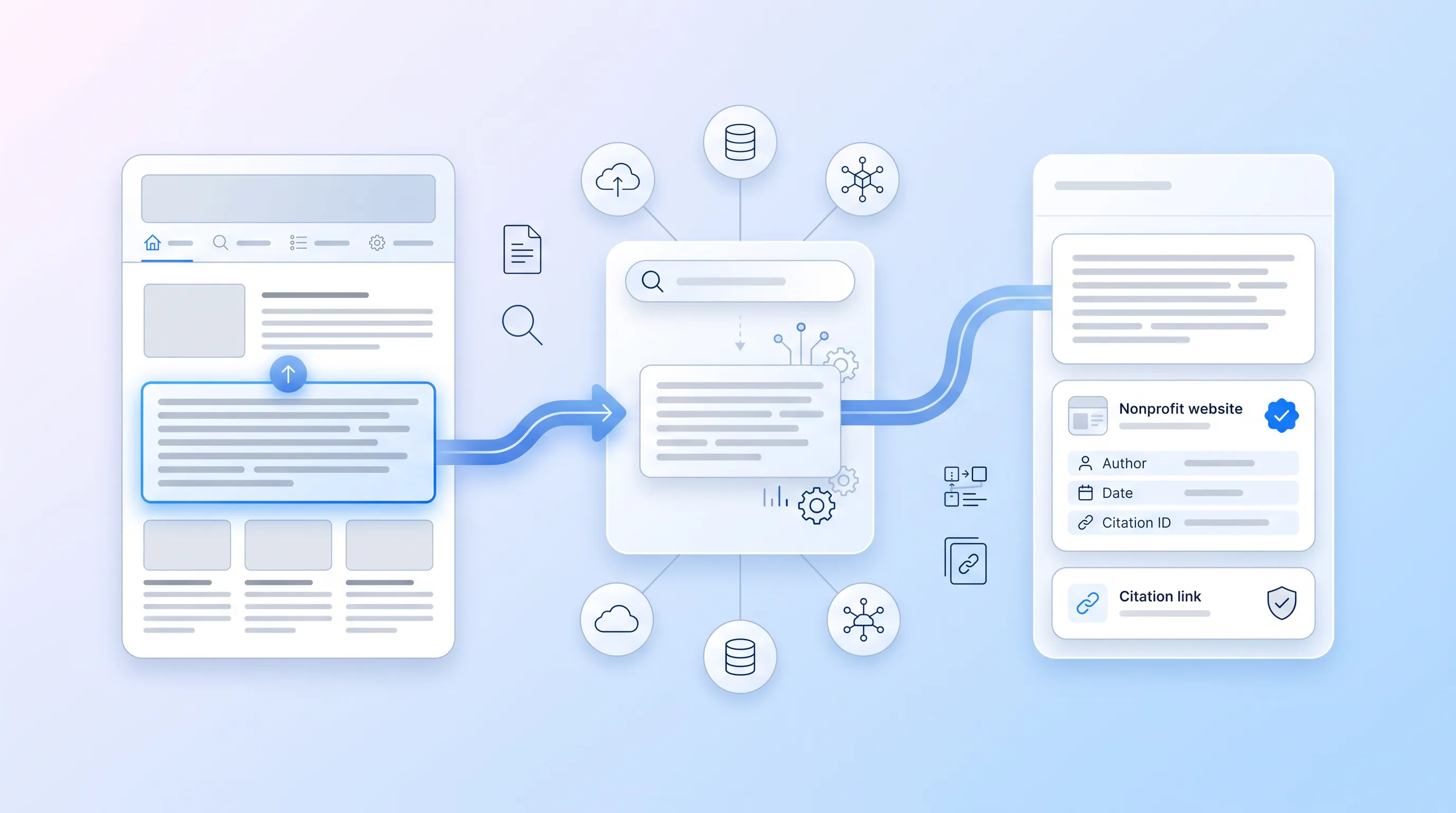
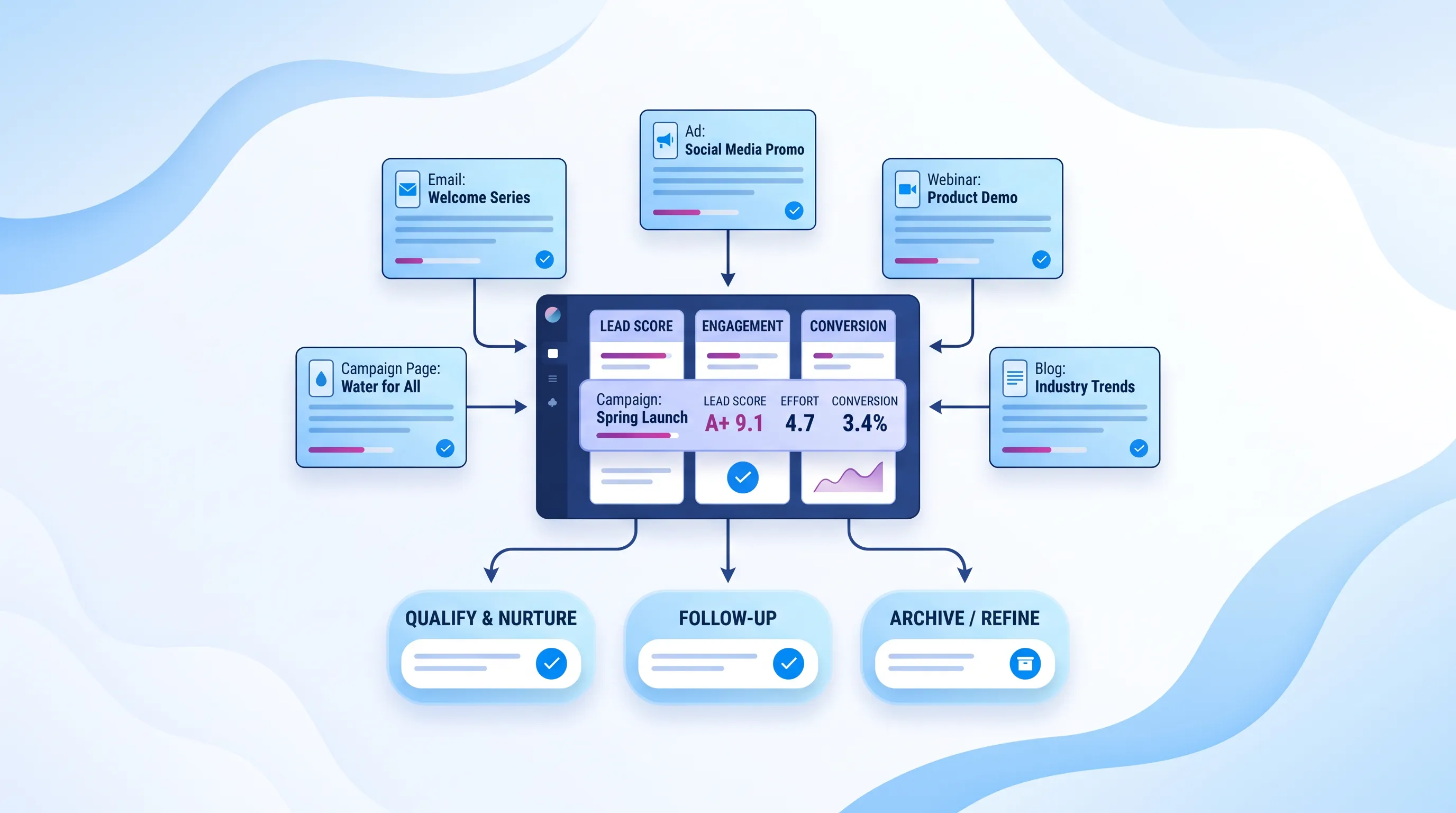
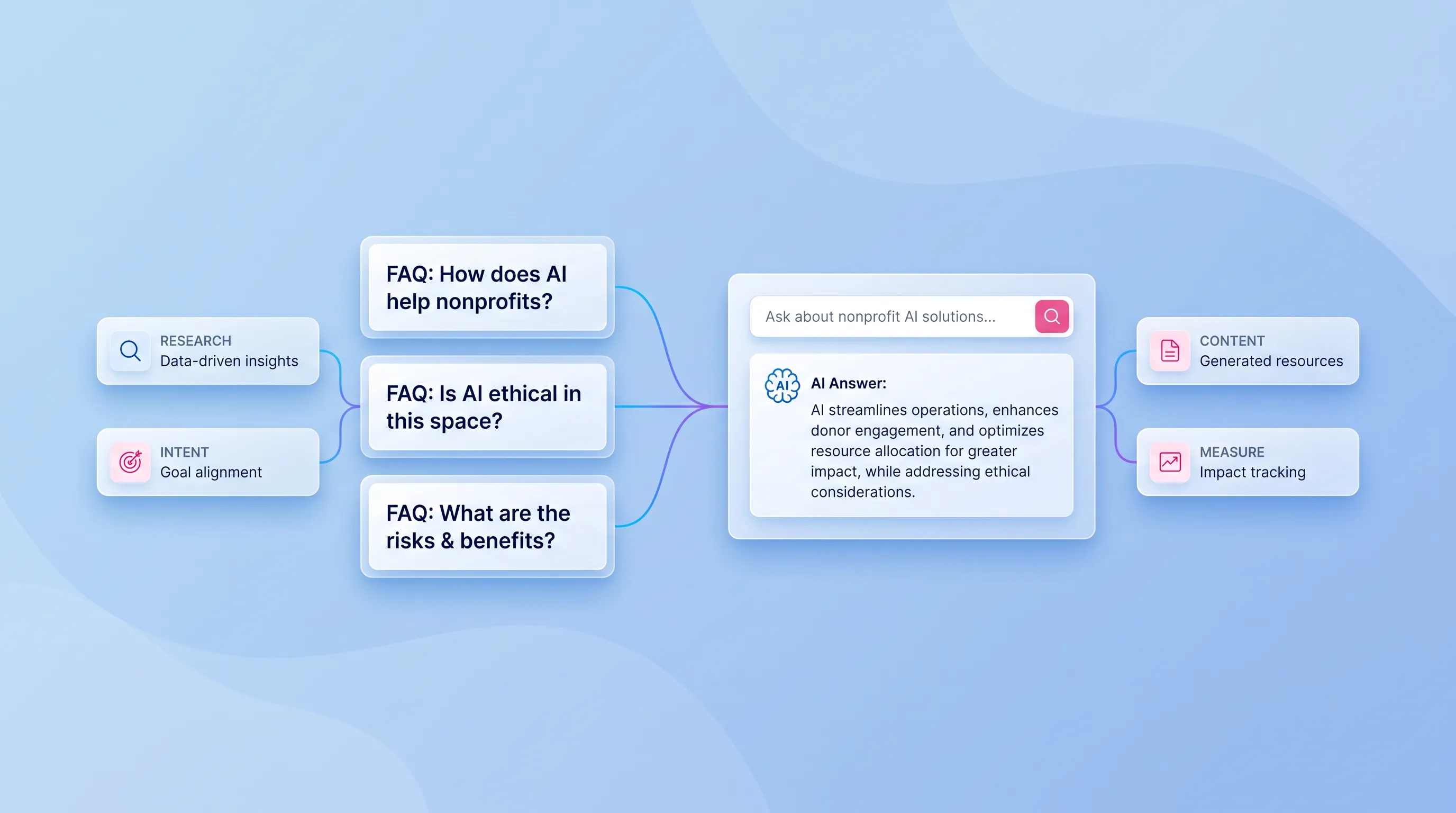
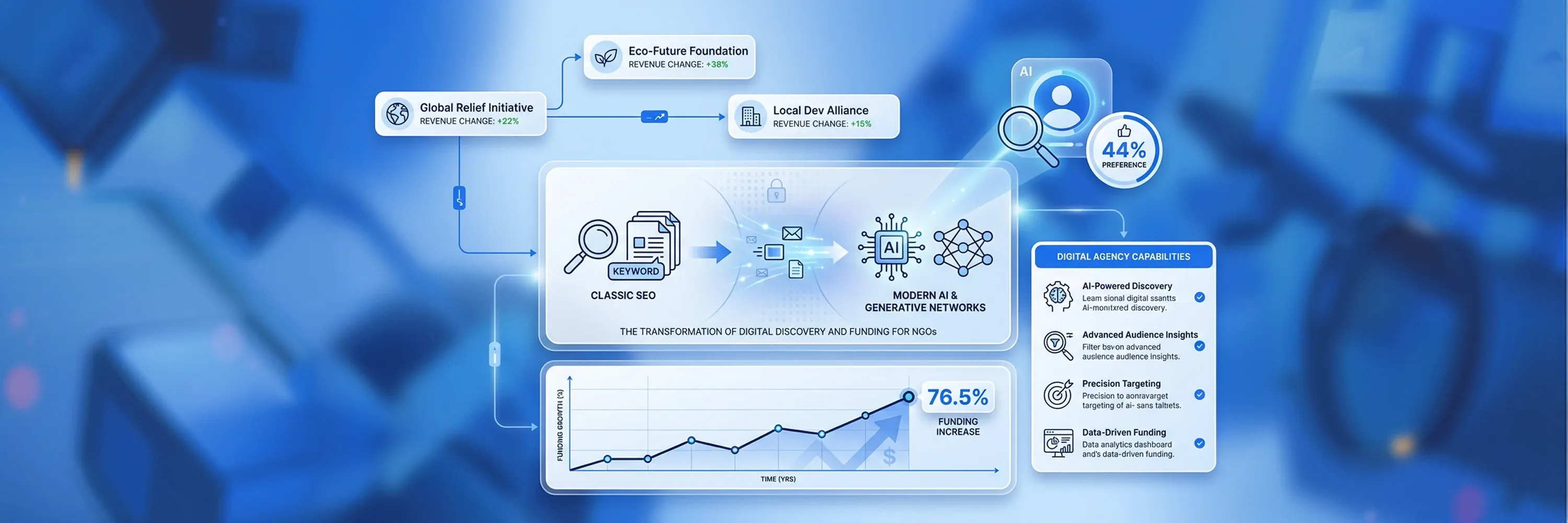
Infographic showing transition from classic SEO to AI-powered digital discovery for NGOs, highlighting analytics, audience insights, precision targeting, and increased funding performance.

What to Look for in a Digital Marketing Agency for NGOs

In this article, we explain how AI response engines changed online discovery. We explore the specific capabilities organizations need to look for when they choose an agency, and we discuss how they can secure AI visibility, maintain rigorous data governance, and measure true impact.

Content authorSnoika FoundationPublished onReading time10 min read

Introduction

AI response engines changed how people discover information online, and this shift creates an institutional risk for organizations that rely on traditional search engine optimization. Historically, organizations optimized their websites to rank as a list of blue links. Today, people bypass those links entirely. Data shows that 44% of AI search users prefer algorithmic responses over traditional search results.

Generative algorithms evaluate and rank content differently than traditional search engines, and this transition leaves many organizations digitally invisible. If algorithms cannot easily categorize an organization's mission and impact, they simply will not cite that organization in their generated answers. A capable digital marketing agency for ngo moves organizations beyond basic marketing tactics. Modern agencies specialize in AI visibility architecture, transparent governance, and integrated impact measurement. These specialized agencies connect financial reporting and verifiable outcomes directly to AI recommendation systems. The right agency establishes the technical foundation necessary to reach donors, recruit volunteers, and secure sustainable funding in an algorithm-driven environment.

Shift to AI-Mediated Discovery Plus Funding Risks

This algorithm-driven environment alters organizational funding and visibility because artificial intelligence search engines replace traditional discovery methods. Organizations encounter new funding dynamics when language models generate responses for users who seek social impact data. Organizations that adapt to these generative platforms establish financial stability in a polarized donor landscape. Large entities currently capture the majority of available funding, and they leave smaller teams with fewer resources.

According to the Blackbaud Institute, large organizations finished 2025 with approximately 11.7% revenue growth year-over-year, while small organizations ended down 6.4%. This financial gap widens as government support changes rapidly. The 2025 State of Grantseeking Government Update Report shows that nonprofits increased private or corporate submissions by 76.5% in 2025 in response to federal funding changes.

The Role of Specialized Digital Partners in Modern Nonprofit Growth

Organizations often engage a competent digital marketing agency for NGO that understands machine reading to secure funding. A specialized nonprofit digital partner provides the technical foundation required to navigate this technological shift.

These technical partners help organizations adapt by focusing on three essential strategies:

  • Build technical data architectures that recommendation systems can process.

  • Develop specific content formats that directly answer complex donor questions.

  • Align financial transparency data with algorithmic ranking signals.

Organizations strengthen their ability to secure funding when they partner with experts who understand both technology and donor behavior. With the right technical foundation and strategic support, nonprofits can adapt to evolving digital systems and communicate their impact with clarity and precision.

Why Traditional SEO Leaves Organizations Digitally Invisible

While specialized agencies align data with these new algorithmic ranking signals, standard search optimization techniques struggle to capture visibility in an era of generative answers. Historically, marketers relied on keyword density and basic backlinks to rank web pages on the first page of search results. These traditional tactics do not secure citations from artificial intelligence platforms. Generative algorithms look for deep context and proven authority instead of simple keyword matches. Organizations remain digitally invisible to users when they rely solely on these outdated methods.

How Digital PR and Authority Signals Drive AI Visibility

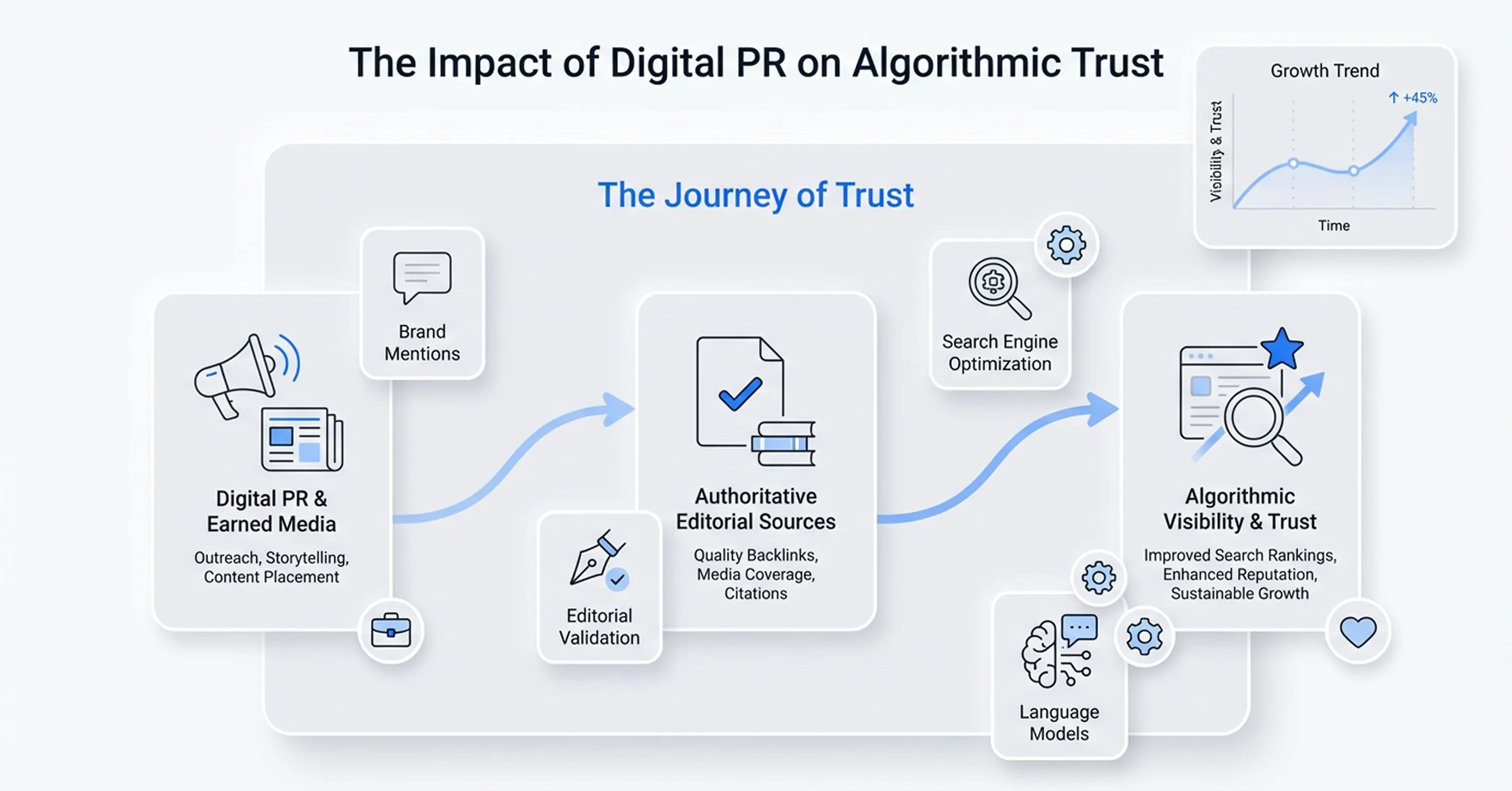
digital-pr-algorithmic-trust-seo-backlinks-Infographic illustrating how digital PR and earned media build algorithmic trust through brand mentions, authoritative backlinks, editorial validation, SEO, and improved search visibility.authority-journey.png

An experienced NGO marketing agency shifts the focus toward digital public relations strategies and earned media to influence algorithmic results. Algorithms pull information from authoritative editorial sources to formulate their generated answers. Organizations build trust when they appear frequently in respected publications. Lucy Hart serves as Executive Strategy Director at The Romans, and she notes that this shift presents new opportunities for PR and earned media because editorial sources influence so many of the results.

Modern search engine optimization for nonprofits requires a broader approach that prioritizes brand mentions in high-tier media outlets. These mentions help organizations maintain visibility during routine algorithm updates. Language models categorize the organization as a reliable source of information when they see consistent editorial validation. This validation translates directly into generated responses that highlight the organization's mission to potential donors.

What Digital Marketing Agency for NGO Needs for AI Visibility

Organizations achieve this validation and build a strong algorithmic presence through specific technical capabilities that go beyond standard marketing. A competent digital marketing agency for NGO builds a visibility architecture from the ground up. This architecture dictates how machines read, categorize, and recommend the organization's content to users. A partner understands how large language models process and retrieve information. These models do not crawl the web like traditional search engines. Instead, they synthesize vast amounts of data to generate cohesive answers. Language models misinterpret the organization's core mission if an agency lacks precision in its technical approach.

Agencies restructure websites to feed data directly into these algorithms. They create clean pathways for information retrieval. This structural clarity allows algorithms to connect financial reports, impact metrics, and mission statements without confusion. When machines understand the relationship between these different data points, they confidently recommend the organization to users who search for specific social causes. This technical foundation determines whether an organization appears in generative responses.

Structured Data for Clear Context

As part of this technical foundation, schema markup and clean data architecture help generative algorithms understand the context of published content. Algorithms rely on structured data to categorize information accurately. Without this underlying structure, machines cannot differentiate between a blog post and a financial impact report.

A skilled nonprofit digital partner implements specialized code that tags every piece of content with clear descriptive labels. This coding process creates stability for the organization's digital footprint. Proper categorization allows artificial intelligence systems to parse information accurately and retrieve specific facts. An experienced ngo marketing agency ensures that this semantic markup aligns with the guidelines set by major search platforms. This careful alignment helps algorithms recognize the organization's authority and present its data correctly in generated summaries.

How Agency Uses Answer Engine Optimization

Once algorithms recognize the organization's authority, Answer Engine Optimization (AEO) adapts existing content to meet modern algorithmic preferences. Algorithms prefer concise, factual answers over lengthy narrative paragraphs. An effective agency applies AEO techniques to restructure an organization's most important pages.

Agencies format text to answer user questions directly, and this increases the likelihood of securing citations in generated responses. Agencies rewrite headings as specific questions and follow them immediately with clear, definitive answers. This specific question-and-answer format gives algorithms the confidence they need to extract the information without misinterpretation. When agencies structure content in this precise manner, they create clear extraction points for machine reading. The algorithms grab these optimized snippets and present them to users as authoritative facts, and this positions the organization as a leading voice in its specific sector.

Prompt-Level Review for Continuous Adaptation

Agencies maintain this position as a leading voice and continuously monitor how artificial intelligence engines respond to specific prompts. Generative algorithms update their response patterns constantly, and these changes can affect an organization's digital visibility. A capable agency tracks these algorithmic shifts to protect the organization's discoverability.

Organizations adjust their visibility strategies in real time when they track these shifts. Agencies input specific queries related to the organization's mission and analyze the generated outputs. They look for patterns in how the engine cites sources, frames the issue, and recommends solutions. Regular AI search engine visibility reports ensure the ongoing reliability of the digital strategy. If an algorithm stops citing the organization for a critical topic, the agency immediately investigates the cause and updates the content. This proactive review keeps the organization visible to donors even as the underlying technology evolves.

Impact Measurement and Transparency

Organizations that remain visible to donors also build trust when they connect financial reporting and verifiable outcomes directly to artificial intelligence recommendation algorithms. Many organizations treat artificial intelligence as an isolated experiment rather than a structural shift. The 2026 Virtuous and Fundraising.AI report shows that 92% of nonprofits use AI tools in some capacity, yet just 7% report major improvements in organizational capability.

This disconnect happens because teams fail to integrate the technology into their core operations. Gabe Cooper leads Virtuous as Chief Executive Officer and notes that organizations must fundamentally rethink their workflows and avoid asking one person to draft an appeal with an AI content generator.

Connecting Financial Transparency to AI Visibility

A competent digital marketing agency for NGO connects impact data directly to search algorithms. Organizations need this connection because it comforts donors when they research financial health online. A specialized nonprofit digital partner structures financial reports so that machine learning models can read the outcomes easily. If algorithms can verify how an organization spends its money, they will recommend that organization to users.

This transparent data exchange reassures stakeholders who want to ensure their contributions make a difference. Agencies replace isolated tasks with integrated systems that feed success metrics straight into the digital network. This structural integration proves the organization's value to both the machines and the human donors who read the generated answers.

Data Governance and Ethical Frameworks

This structural integration of impact data into digital visibility campaigns requires strict data governance and ethical frameworks. Algorithms process large amounts of information, and this process creates vulnerabilities for organizations that fail to protect sensitive donor details. A competent digital marketing agency for NGO establishes compliance protocols that protect this data from unauthorized extraction. Organizations must protect their beneficiaries' stories and prevent exposure to unchecked machine learning models. A specialized nonprofit digital partner builds these ethical frameworks before deploying any technical strategy.

However, organizations and the public perceive these efforts differently. An Orr Group analysis shows that only 38% of end users believe organizations are transparent about their algorithmic tools, while 83% of organizational leaders claim they maintain transparency. Organizations need safety protocols that dictate how agencies handle information to close this transparency gap.

Operationalizing Ethical AI: Governance Workflows for Nonprofits

Organizations must translate ethical principles into clear operational processes to ensure responsible use of artificial intelligence. Without defined workflows, even well-intentioned teams risk exposing sensitive data or misrepresenting their mission through automated systems. A structured governance approach provides clarity for both internal teams and external partners while reinforcing accountability in how digital content is created and distributed.

Organizations evaluate an agency properly when they review the specific governance workflow for AI content creation for NGOs:

  1. Data audits identify sensitive donor and beneficiary information.

  2. Privacy controls block language models that attempt to scrape restricted web pages.

  3. A clear ethics statement explains how the organization generates digital materials.

These steps help the organization maintain public trust and adapt to new algorithmic discovery platforms. Proper governance protects the organization from technological risks.

Conclusion

In summary, digital invisibility in AI systems represents a severe technological risk that causes organizations to lose funding and miss technical partnership opportunities. Organizations secure their future when they view digital marketing as a core component of their operations rather than a tactical expense. Organizations need a competent digital marketing agency for NGO that prioritizes AI search discoverability and strong data governance over generic visibility metrics. To find the right partner, organizations evaluate prospective agencies by auditing their ability to structure data for machine reading and use ethical AI frameworks. These audits help organizations establish a clear brand identity that algorithms trust and recommend, and this ensures their mission reaches the people and partners who matter most in the future.
You should allocate between five and ten percent of your total operating budget when you hire a digital marketing agency for NGO. Service costs depend on your organization's size and the complexity of your current data systems. You can start with a smaller audit project to understand your financial requirements.

You'll typically see measurable changes in your search visibility within three to six months. Artificial intelligence engines need time to process your updated website structure and verify your information across different sources. You should monitor your referral traffic monthly to track these improvements.

Your internal team can manage basic content updates, but they don't have the technical skills required for complex algorithm optimization. Organizations like Snoika Foundation empower NGOs to become visible in AI search engines using proven frameworks. External experts handle the technical architecture so your staff can focus on their mission.

You should request case studies that demonstrate how the partner increased donor engagement and algorithmic citation rates. A reliable partner will provide dashboards that track how often language models recommend their past clients. You must ask them to explain their reporting frequency and show you their data privacy protocols.

You must organize your financial reports and impact metrics into a single accessible database before you hire a partner. Your team should document all current privacy policies and identify any sensitive beneficiary information that needs protection. When you complete these steps, your future agency builds the required data architecture faster.

Book a Demo

Book a time that works best for you

You Might Also Like

Discover more insights and articles