Performance reporting that proves impact
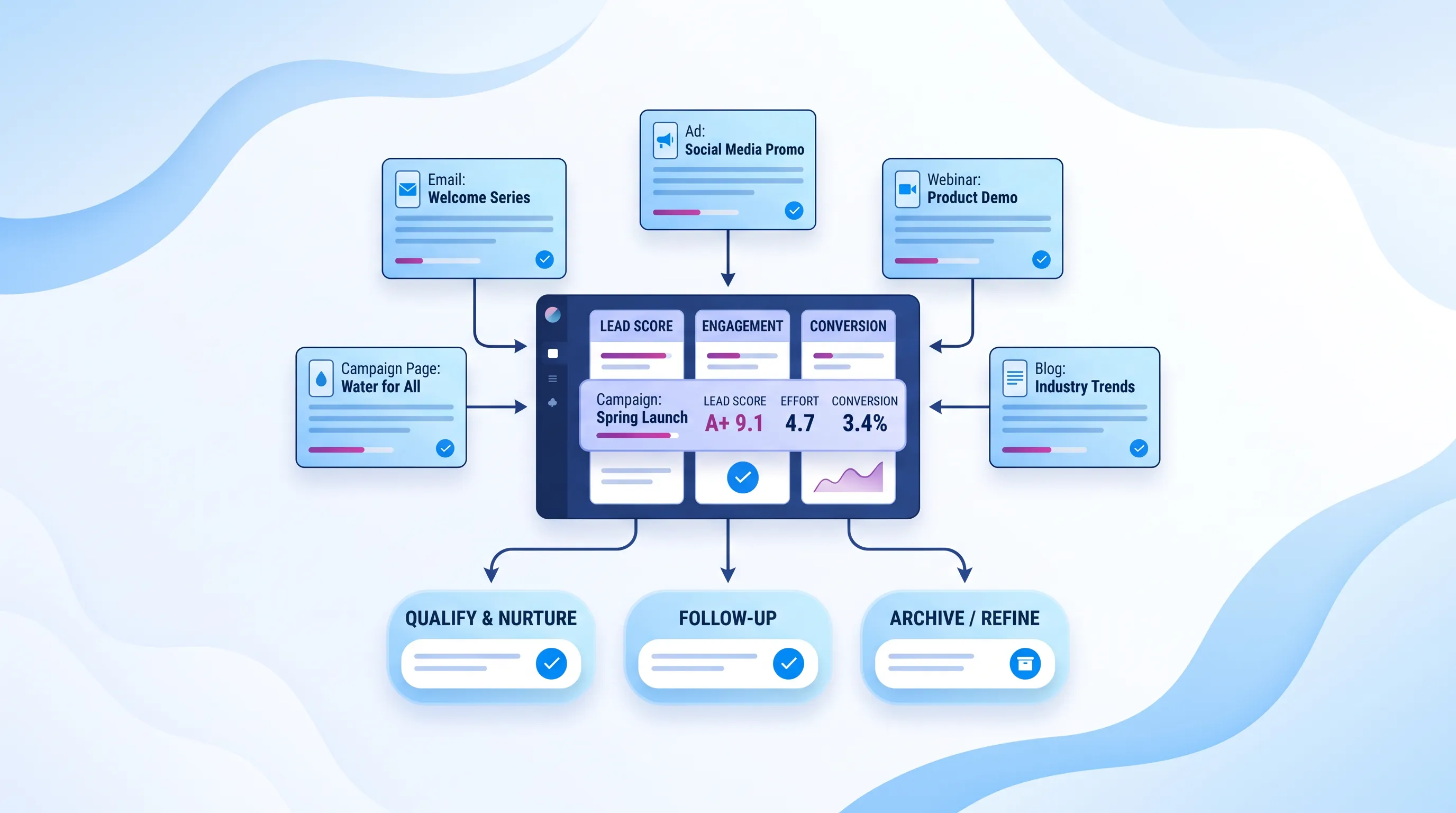
You have to justify spending upward, to a board or a funder who wants to know what the money bought. A digital marketing agency for nonprofits reports in those terms. It connects marketing metrics to donations raised and mission outcomes, and the same report shows volunteers recruited in terms a trustee understands.
The contrast is between vanity metrics and meaningful ones. Likes and impressions are vanity metrics. Cost per donation and donor retention tell the real story, with return on ad spend shown beside them. Search ads carry the highest average return for nonprofits at $4.78 per dollar, and a transparent report shows you exactly where that return came from. Honest reporting also means showing what didn't work, so you can stop funding it.
NGOs gaining visibility across Google and AI tools
The argument stops being theoretical the moment you watch it play out. Picture a small environmental group whose site never ranked for its core issue. After a year of focused content and technical cleanup, organic visits climb and the group starts appearing for local cause searches. Media Cause reports that its clients average 5,000 website visitors and 175 email sign-ups from a properly run Ad Grant account, which is the kind of before-and-after a specialist produces on the SEO and campaign work described earlier.
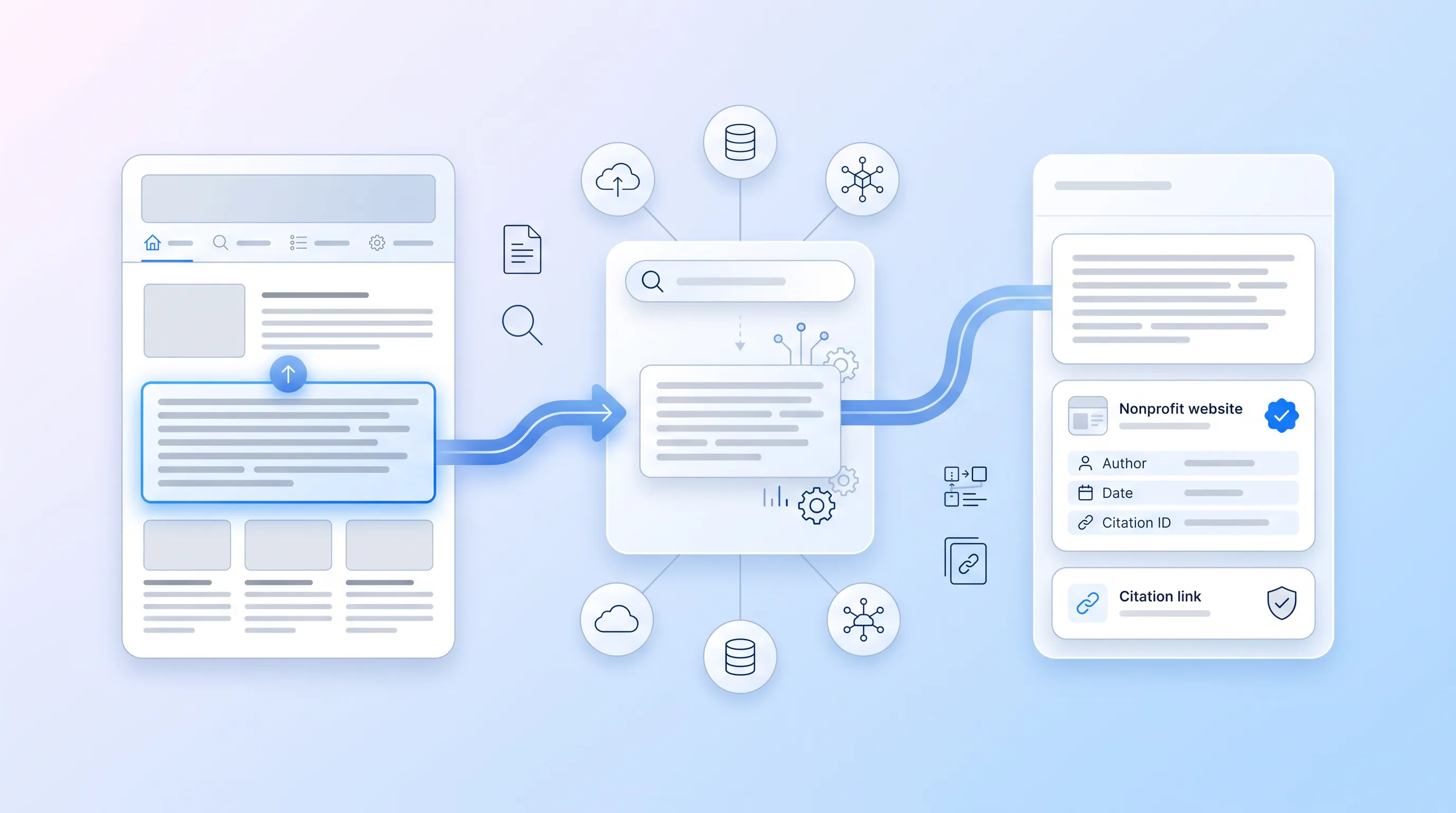
Now take the AI side. The same content, structured with schema and backed by authority signals, starts getting surfaced when someone asks Perplexity or Gemini to recommend organizations in that field. Snoika Foundation reports that organizations using its AI visibility work see up to 3× more citations in AI answers within three months. That's the AI discoverability service turning into named mentions in tools that didn't cite the group at all a quarter earlier.
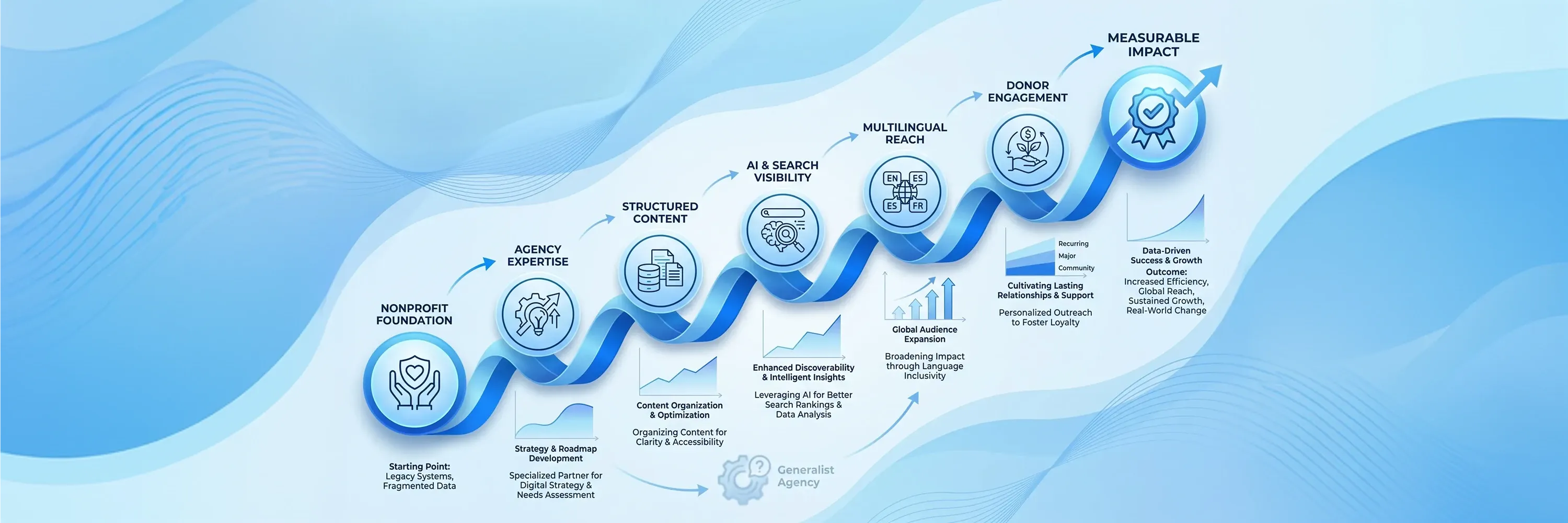
The pattern connects cause to effect every time. SEO earns the Google ranking. AI structuring earns the chatbot citation. Campaign strategy turns both into email sign-ups, and reporting proves the line from a search to a donation. The services from the last section work when applied in order.
How to choose the right nonprofit-focused agency
You're holding limited funds and a real fear of wasting them, so vet carefully. A mission-driven marketing agency worth hiring will pass a short, concrete test.
Use this checklist to build a shortlist today:
-
Sector experience. Ask for nonprofit clients by name and the results they earned.
-
References from comparable NGOs. A group your size in a related cause area is the reference that counts.
-
Transparent pricing. You should understand what you pay and what you get before you sign anything.
-
Clarity on AI search and multilingual work. If they can't explain how they get you cited in ChatGPT or how they localize content, they're behind.
-
A defined reporting plan. They should tell you, upfront, which metrics they'll report and how often.
The warning signs are just as useful. A generic pitch that never mentions your mission means they'll treat you like a retail client. A long lock-in contract protects the agency. No reporting plan means no accountability, which means you'll never know if the money worked. Walk away from any of those.
One more filter. A mission-driven marketing agency is comfortable naming the work it will skip and where your budget is better spent elsewhere. That honesty is the best signal you'll get that they're thinking about your mission rather than their invoice.
Measuring whether the partnership works
Judge the work on a realistic timeline so you neither abandon a strategy that's working nor tolerate one that isn't. Some signals arrive fast. Paid search and Ad Grant campaigns can show clicks and conversions within the first month or two, because the traffic is bought and the tracking is immediate. SEO and AI visibility take longer, since authority compounds over three to six months before rankings and citations move in a durable way.
Tie every metric to a goal you already care about. Early on, watch traffic from target searches and cost per donation, with email list growth tracked alongside them. Later, watch donor retention and return on ad spend, because those prove the work built lasting funding beyond a one-time spike. Remember the benchmark that frames all of it: industry-wide donor retention hovers around 43%, so a mission-driven marketing agency moving you above that is earning its fee.
The right digital marketing agency for nonprofits volunteers this information without being chased. Clear, honest reporting throughout the engagement is the difference between a partner and a vendor. If you have to ask what happened every month, you've already learned what you needed to know.
Turning visibility into lasting support
Specialized help turns scattered effort into compounding visibility. The pieces reinforce each other, because SEO feeds AI citations and the campaign/reporting work turns that visibility into a provable line from a search to a donor who stays. You now have the framework to decide whether a mission-driven marketing agency fits your situation and to vet one without guessing. That's the whole point of the checklist and the timeline above.
Start by assessing where you stand today. Snoika Foundation focuses on getting NGOs cited and trusted across ChatGPT and Google, with Gemini and Perplexity included in that visibility work, and you can request a free visibility report to see your current standing. If you're weighing whether a digital marketing agency for nonprofits is worth it, that report is a low-pressure first step toward an answer.