Tracking visibility beyond clicks
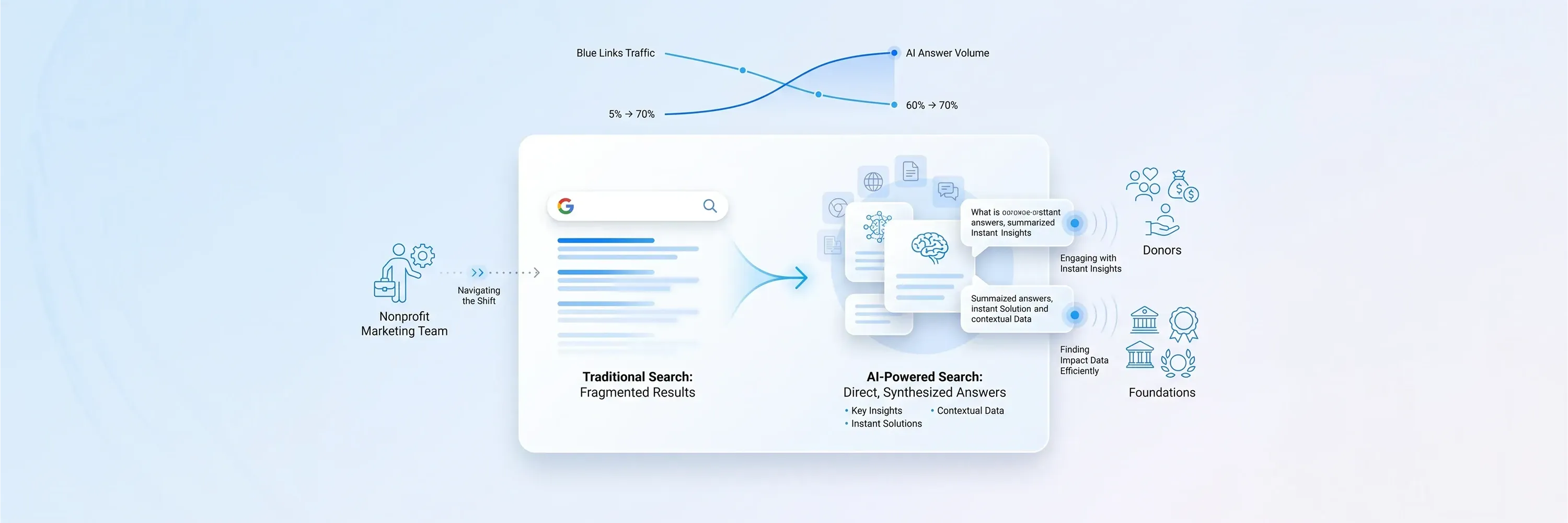
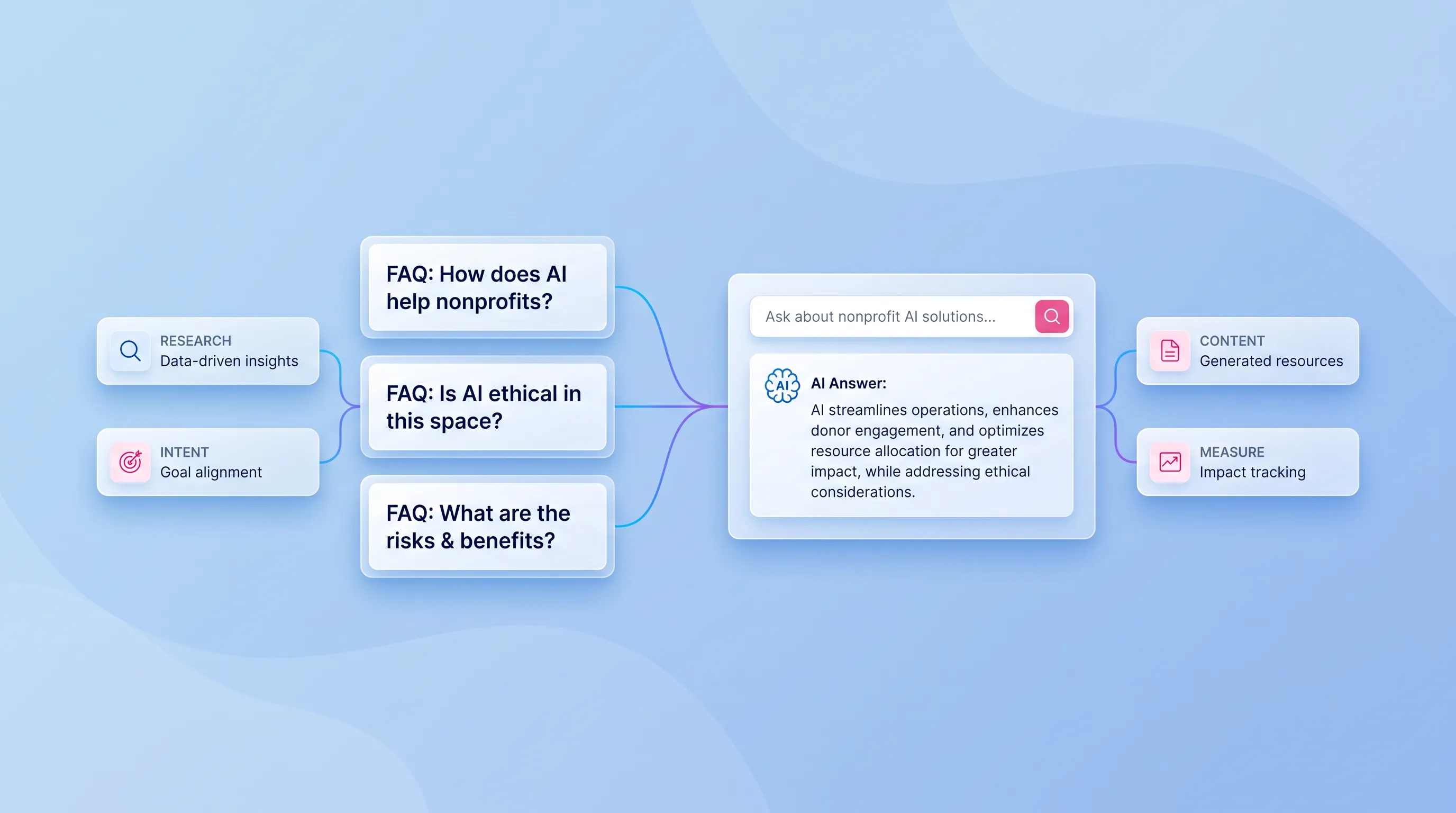
When AI answers reduce clicks, click-based dashboards lie to you. Pew found that the share of sessions ending without any click rises from 16% to 26% when an AI Overview is present. People are finding answers about your nonprofit through AI surfaces that satisfy the query before a site visit.
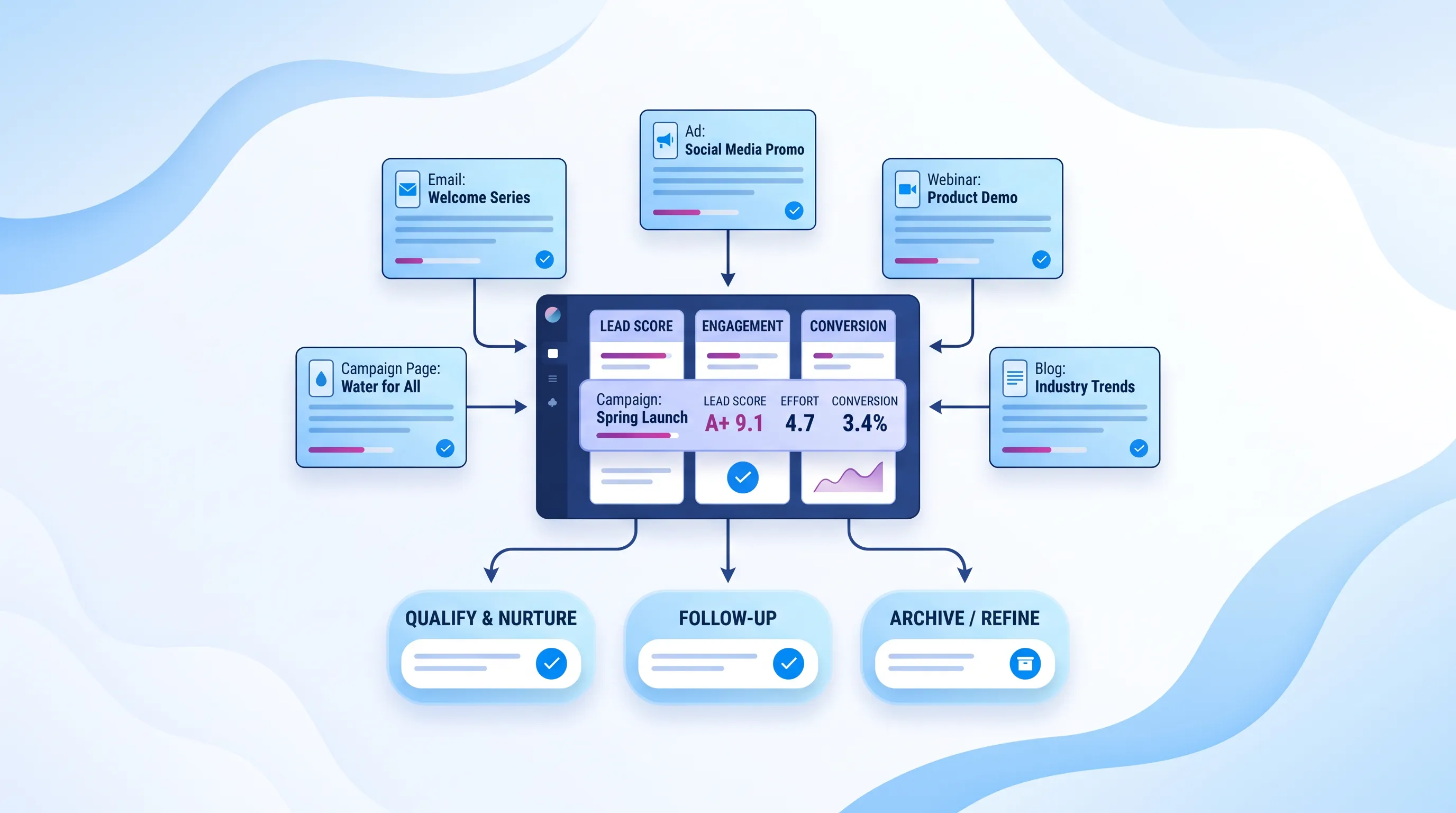
For search engine marketing for nonprofits, the practical fix is manual prompt testing run monthly by the marketing lead. Pick 15 to 20 queries a real donor or volunteer would type, then run them through ChatGPT, Perplexity, Claude, and Google with AI Overviews on. Log whether your organization is named and what facts the model cites; note any competitor that shows up instead in the same row. Tools like Profound and Peec AI automate this if budget allows, but a shared spreadsheet works for the first six months. The point is to make AI visibility a number you watch, the same way you watch Ad Grant click-through rate.
Common mistakes nonprofits make
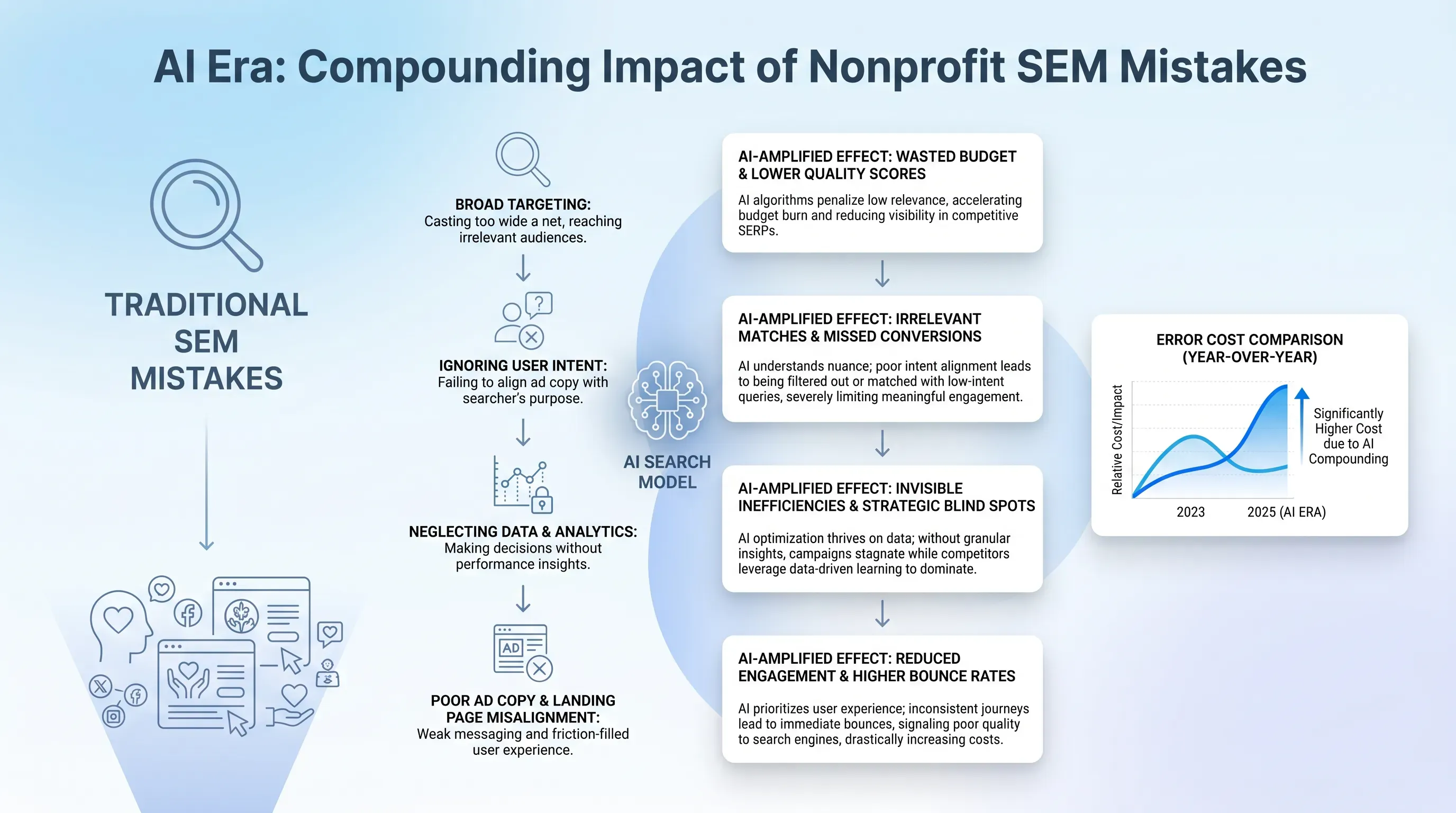
Most of the errors I see across small and mid-size nonprofit sem programs cost more in 2025 than they did in 2023, because AI search compounds inconsistency.
The diagnostic list below covers the recurring ones worth auditing this week:
-
Duplicating Google Ad Grants copy verbatim onto landing pages, which tanks Quality Score and gives AI models thin, repetitive text to quote.
-
No schema markup, or schema generated once by a plugin and never updated when programs change.
-
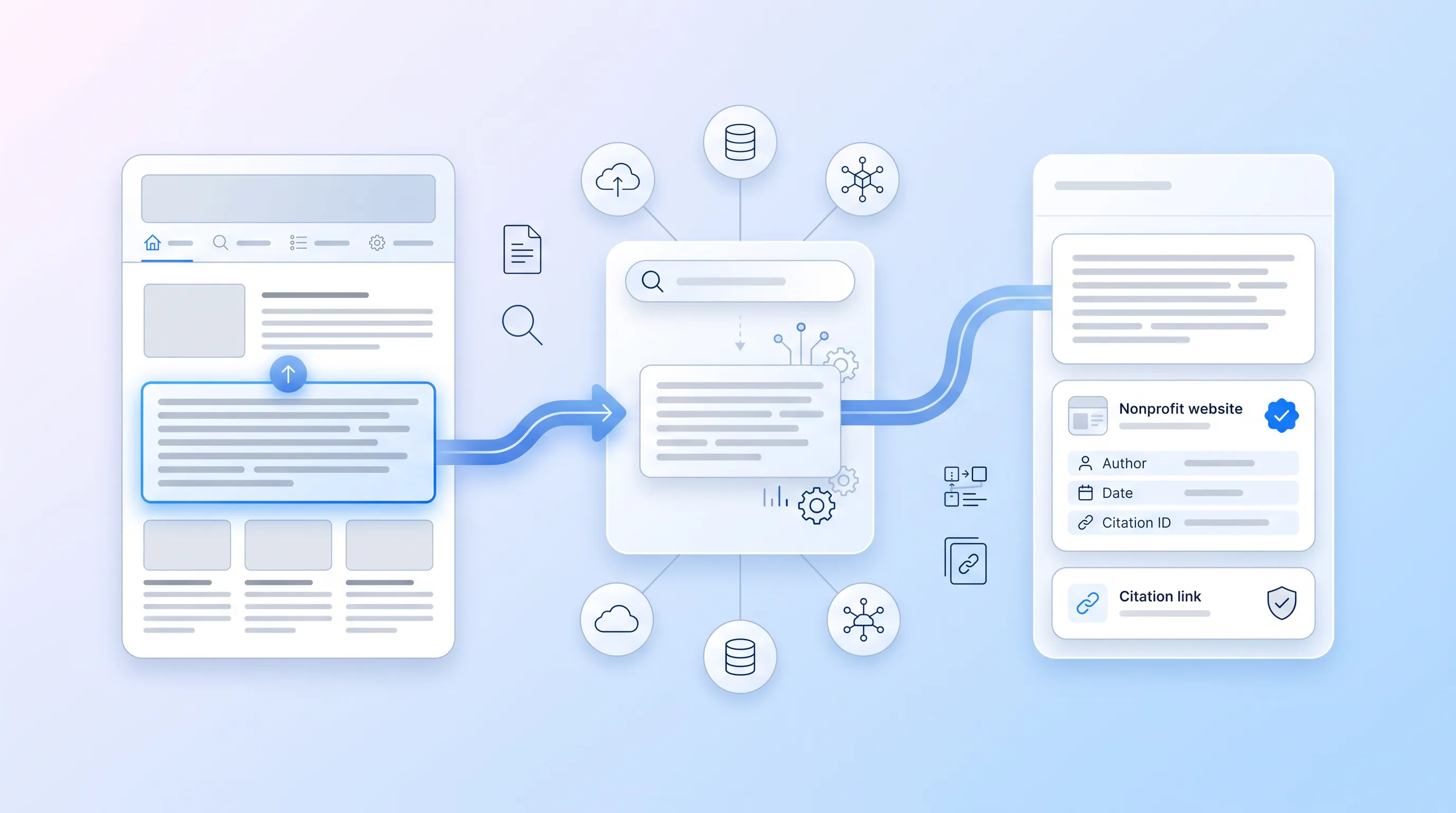
Mission statements written for board meetings instead of for retrieval. A sentence like "empowering communities through transformative engagement" tells an AI model nothing it can use.
-
Impact statistics published as web text with dates and sources.
-
Out-of-date Candid and Charity Navigator profiles, which AI driven marketing tools weight as authoritative even when they're two years stale.
Each one was a small drag on visibility in search engine marketing for nonprofits two years ago. Since AI models now combine signals from your site and your third-party profiles in real time, the same mistakes are larger holes in the bucket.
A 90 day action plan
This plan assumes a marketing lead with limited staff time and no new budget. Treat the deadlines as real and the work as sequential.
-
Days 1 to 30: audit and baseline. Run manual prompt tests across ChatGPT and Google AI Overviews for 15 priority queries. Pull a 12-month report from Google Ad Grants and note which campaigns drove conversions versus traffic. Update your Candid profile and confirm the Seal of Transparency is current. Document every named program and statistic in a single reference sheet your team will use everywhere.
-
Days 31 to 60: content and consistency. Rewrite the top five landing pages so they match the reference sheet word for word in key phrases. Add FAQ sections answering the exact questions from your prompt tests. Publish two dated impact statistics per priority page. Implement Organization and FAQPage schema across the site. Align Ad Grants headlines and descriptions to the same language as the rewritten pages.
-
Days 61 to 90: earn citations and reset measurement. Pitch three local outlets with a specific data point each. Submit to two sector directories relevant to your cause. Rerun the month-one prompt tests and log changes. Build a simple monthly visibility report the marketing lead owns that combines Ad Grant performance and AI mention rate in one view.
Revisit the prompt list quarterly. AI driven marketing changes fast, and a query that triggered an AI Overview in March has a different result by September. The discipline of rerunning the same 15 queries every 90 days is what keeps your search engine marketing for nonprofits program honest.
Next steps for your team
The organizations that act in the next two quarters will define category visibility in AI search for years. Models learn from what's already published and cited, which means today's investment compounds while a wait-and-see approach falls further behind each retraining cycle. Share the 90 day plan internally and name an owner for each phase, with monthly prompt review built into the calendar before another fiscal quarter slips by.
If internal capacity is thin, one external audit is worth more than a year of incremental fixes. Bring in a partner who works with cause-based organizations and can run the baseline prompt tests with you while understanding the difference between Ad Grants compliance and AI visibility. Done well, search engine marketing for nonprofits in 2026 is a single connected system covering content, paid, citations, and AI visibility. Done in pieces, it's four budgets that never add up. Pick a direction this quarter and start.