Zero-Click Reality for Nonprofits
The rapid evolution from traditional search engines to generative models creates a new zero-click reality for nonprofits. Historically, organizations relied on legacy search engine optimization to bring visitors to their websites. Today, generative models such as ChatGPT and Gemini answer user queries directly on the results page. According to recent data, Google AI Overviews now reach 2 billion monthly users globally.
This shift means traditional link-clicking behaviors continue to decline. Nonprofits face a challenge because standard web traffic metrics no longer reflect their digital reach. Organizations become invisible to people who use modern platforms for research and discovery when they rely on legacy optimization methods.
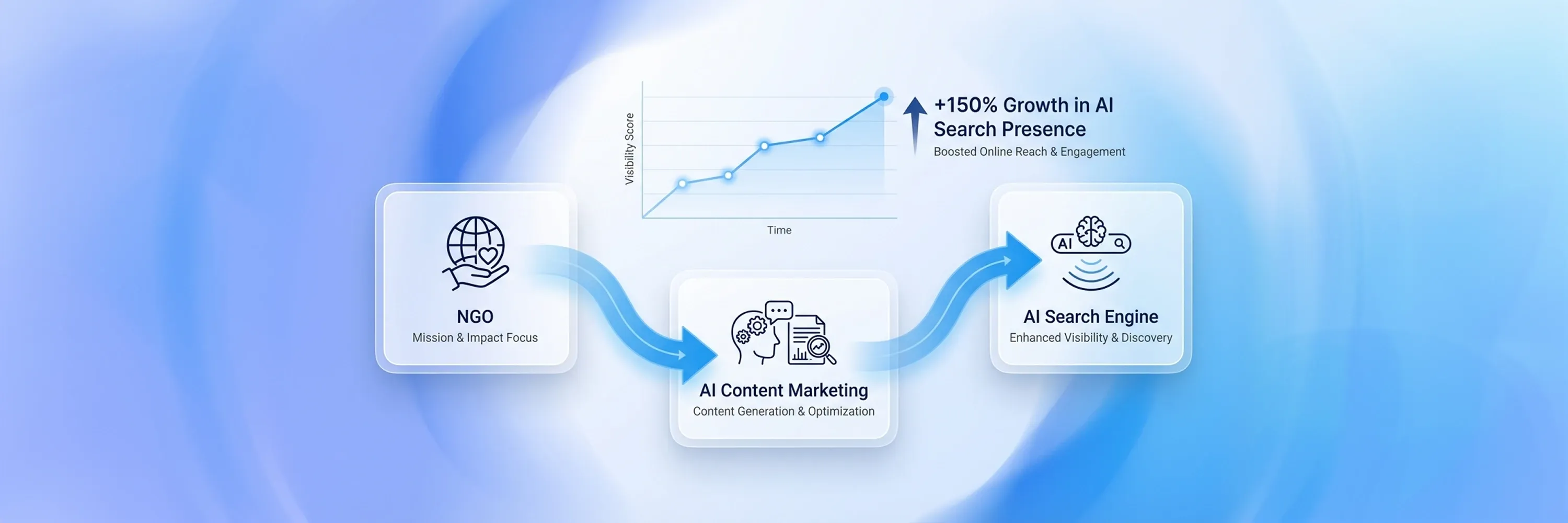
Organizations must adopt AI content marketing to secure active citations from these generative engines and maintain influence. These citations build organizational trust and expand mission impact.
Zero-Click Shift in Digital Discovery
Organizations expand their mission impact when they understand the shift in digital discovery. Traditional search engines trained users to type keywords and click blue links, but artificial intelligence platforms like ChatGPT and Gemini now generate direct answers by analyzing millions of web pages. Users often receive the information they need without visiting a website. Data from Ahrefs shows that approximately 60% of Google queries now end without users clicking any links.
This zero-click reality affects organizations that rely on website traffic for donations and volunteer sign-ups. Instead of focusing only on traffic, organizations increasingly prioritize citation-based visibility. Generative platforms build answers by pulling facts from credible sources and citing them in the response. An effective AI-driven content strategy encourages these engines to reference the organization's research and position it as a trusted source.
When generative models cite an organization, users are more likely to trust the recommendation. Ahrefs data also shows that AI search visitors convert 23 times better than traditional search visitors. Organizations adapt their digital materials to earn these citations.
Algorithmic Trust Signals
Organizations adapt their digital materials to earn citations, but generative models need a clear way to determine which sources deserve them. Because these systems cannot interpret human emotion, they rely on measurable trust signals across the internet. Generative platforms evaluate information using the Experience, Expertise, Authority, and Trust (E-E-A-T) framework, which search engines originally developed to assess content quality and filter unreliable sources.
Successful AI content strategies build upon this framework by demonstrating expertise and credibility. According to Google Search Central, trust remains the most important element across all content types. Algorithms measure this trust through external validation, such as links from reputable news outlets, government databases, and academic journals. Generative models scan for these signals and prioritize organizations with strong digital reputations when selecting sources to cite.
Subject Matter Expertise
Algorithms rely on external trust indicators and evaluate expertise through primary research and data accuracy. Organizations often possess unique field data that generative models need to answer user queries. When they publish original surveys or field observations, they provide information that algorithms cannot easily find elsewhere, strengthening their credibility as authoritative sources.
Generative platforms also prioritize recently updated information over older statistics. Ahrefs researchers found that content cited in generative platforms is 25.7% fresher than content in traditional search. Organizations therefore update core data pages regularly to maintain visibility. Refreshing reports with current data signals ongoing expertise and shows the algorithm that the organization remains an active authority in its field.
Authority Through Earned Media
Organizations demonstrate authority when they earn external citations, which function as digital votes of confidence. Generative models rarely rely on claims made solely on an organization’s website. Instead, they cross-reference information with external databases and sources to verify legitimacy and credibility.
Directory placements and earned media mentions strengthen this validation. When reputable news outlets quote a researcher or reference an organization’s work, the algorithm records that interaction as an authority signal. Third-party directories also provide important verification data. Yext analyzed millions of citations and found that ChatGPT references third-party directories 48.73% of the time in its responses, demonstrating the importance of these external signals for algorithmic trust.
AI Search Visibility Requirements
Algorithms require structured evidence to process and rank digital content, and this evidence confirms the organization's prominent position within its sector. Organizations translate human trust into machine-readable trust signals to achieve AI search visibility. While human readers respond to emotional stories and compelling photographs, generative models process text structure, factual claims, and external links.
Semrush explains that Google's quality raters use the framework to assess content credibility. Organizations align their technical implementation with this quality standard. This alignment happens when web developers structure author bios with verified credentials, link claims to primary sources, and organize content with clear semantic HTML tags.
A strong technical foundation ensures the algorithm correctly interprets the expertise. If a group formats its trust signals incorrectly, the generative model misses the organization's authority. Effective AI search visibility requires feeding the algorithm exactly what it needs to verify credibility.
Authentic Voice With Machine Extractability

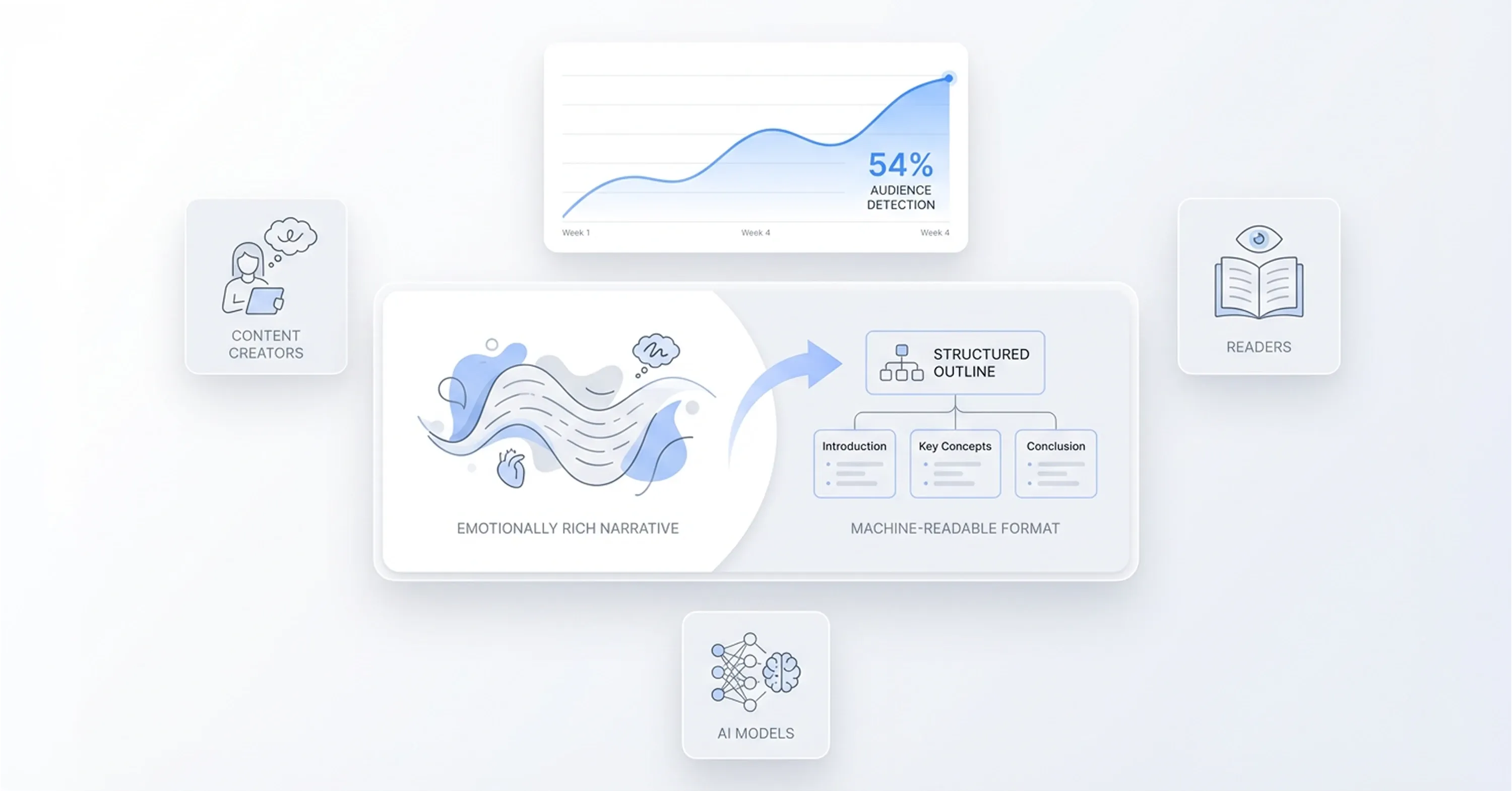
Feeding the algorithm exactly what it needs creates a challenge because content creators often struggle to maintain an emotional voice while satisfying algorithmic requirements. Nonprofits rely on human-centric storytelling to inspire donors and mobilize volunteers. However, generative models struggle to extract facts from long narratives. This tension creates a significant content gap.
Relying heavily on automated tools to write content reduces authenticity. A recent ArtSmart.ai report indicates that 54% of audiences can detect generated text. Readers quickly abandon websites that sound robotic or lack genuine human emotion. Conversely, ignoring algorithmic formatting reduces visibility because the models cannot parse the unstructured text.
A successful AI driven content strategy bridges this gap and combines narrative storytelling with technical precision. Organizations restructure their existing impact stories into digestible modules that satisfy both humans and machines.
Formatting Strategies for Algorithmic Content Extraction
Content creators can reduce the gap between narrative storytelling and machine readability by applying structured formatting techniques. These techniques help generative systems quickly identify key information without removing the emotional context of the story. Rather than rewriting entire narratives, organizations can adjust how important details are presented within the text. Strategic formatting makes critical data points more visible to algorithms while preserving the human voice that motivates audiences.
Specific formatting strategies improve algorithmic extraction:
-
Isolating key statistics into standalone sentences helps models quickly scan and verify data.
-
Summarizing long testimonials into concise bullet points highlights specific outcomes.
-
Placing clear headings above emotional narratives gives the algorithm immediate context.
-
Attaching verifiable data points directly to human interest stories creates factual grounding.
Researchers in Nature Communications note that structured content formats improve extraction accuracy compared to free-form writing. Organizations that implement these formatting techniques ensure their human stories reach the widest possible audience through generative search platforms.
Snoika Foundation Framework for AI Content Marketing
Organizations implement these formatting techniques when they use the Snoika Foundation framework to blend community-driven storytelling with machine-readable formats. This framework translates emotional narratives into structured data that artificial intelligence systems can easily process. Generative models don't understand human feelings, so they rely on clear information architecture to extract facts. Forum One reports that content clarity and structural intelligence matter much more than brevity when they optimize for artificial intelligence systems.
Because generative engines need this structural intelligence, AI content marketing requires steps to ensure clarity. If a nonprofit publishes a long story about a community garden without a structured summary, the algorithm will likely ignore the article entirely. The model cannot afford to spend computational resources to parse through metaphors and emotional quotes to find the harvest yields or volunteer hours.
Implementing the Snoika Foundation Framework: A Four-Step Approach
As generative search systems increasingly shape how information is discovered online, organizations must structure their content in ways that serve both human audiences and machine interpretation. A clear framework helps translate narrative-driven community stories into formats that algorithms can efficiently process while preserving their meaning.
Organizations implement this framework through four distinct actions:
-
Extract the core data points from the original community story.
-
Format these facts into a standalone summary paragraph.
-
Place the emotional narrative immediately after the factual summary.
-
Link the statistical claims to external databases.
This sequential approach helps organizations preserve the human element and satisfies the algorithm's need for verified information. The framework separates the facts from the feelings and does not lose the impact of either component. When digital teams structure their articles this way, the algorithm easily finds the statistics it needs to generate a response. Organizations build an authoritative digital presence across multiple platforms when they follow these steps. Ultimately, generative engines naturally want to cite this well-organized information because it requires little processing power to understand.
Impact Story Restructure for Algorithmic Engines
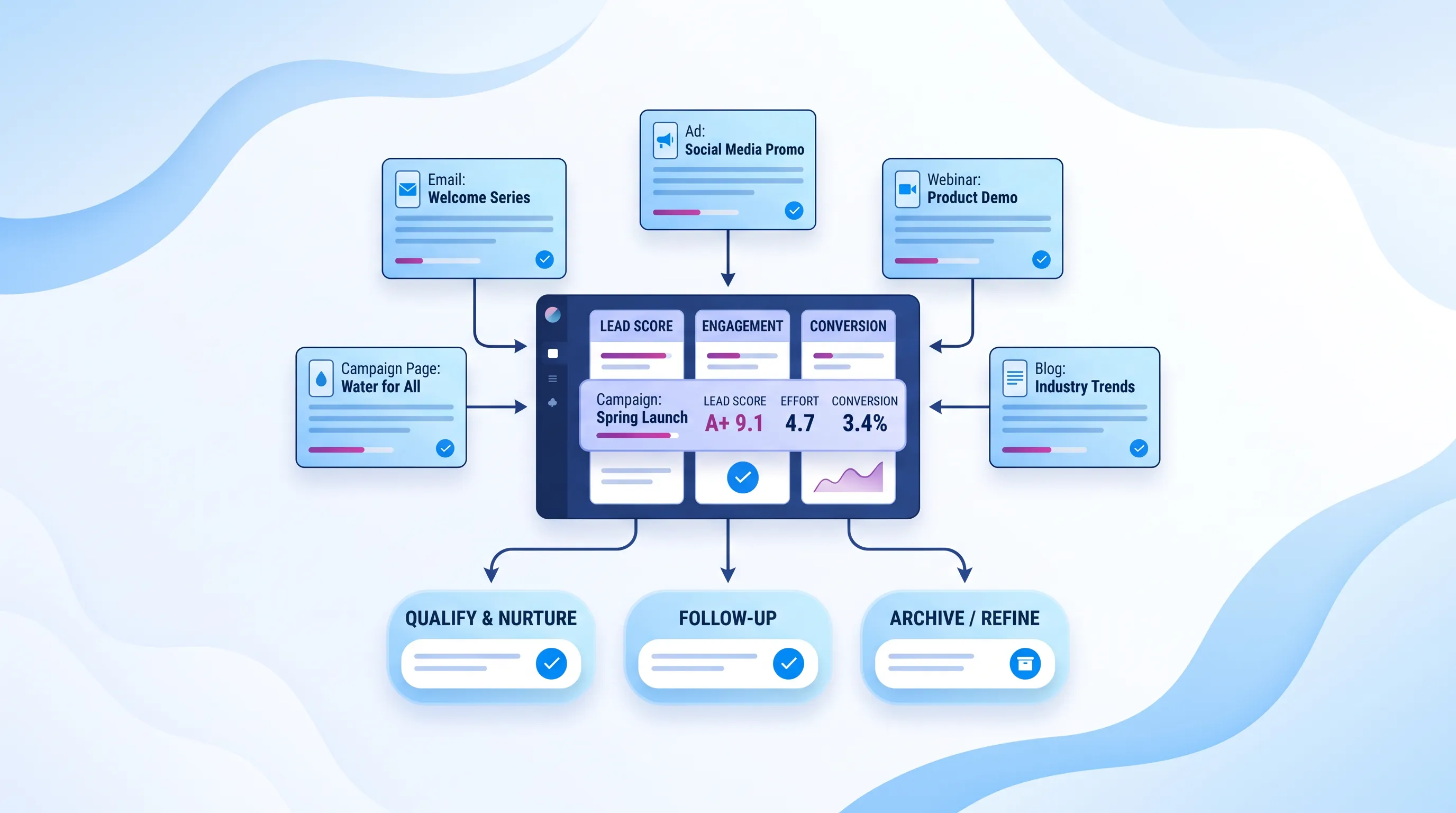
Generative engines cite well-organized information, and digital teams adopt a pragmatic approach when they convert existing organizational materials into machine-readable modules. An effective AI driven content strategy requires these teams to categorize long impact stories into formats that generative platforms naturally recognize. Algorithms struggle to process blocks of text, but they easily process categorized information. Industry research shows that comparisons, guides, and case studies represent the best formats for artificial intelligence preferences.
Organizations can rewrite a beneficiary testimonial into a structured case study that highlights challenges and measurable outcomes. This AI driven content strategy ensures that the generative model can extract the impact metrics and preserves the narrative details.
Content Format Conversion for Generative Platforms
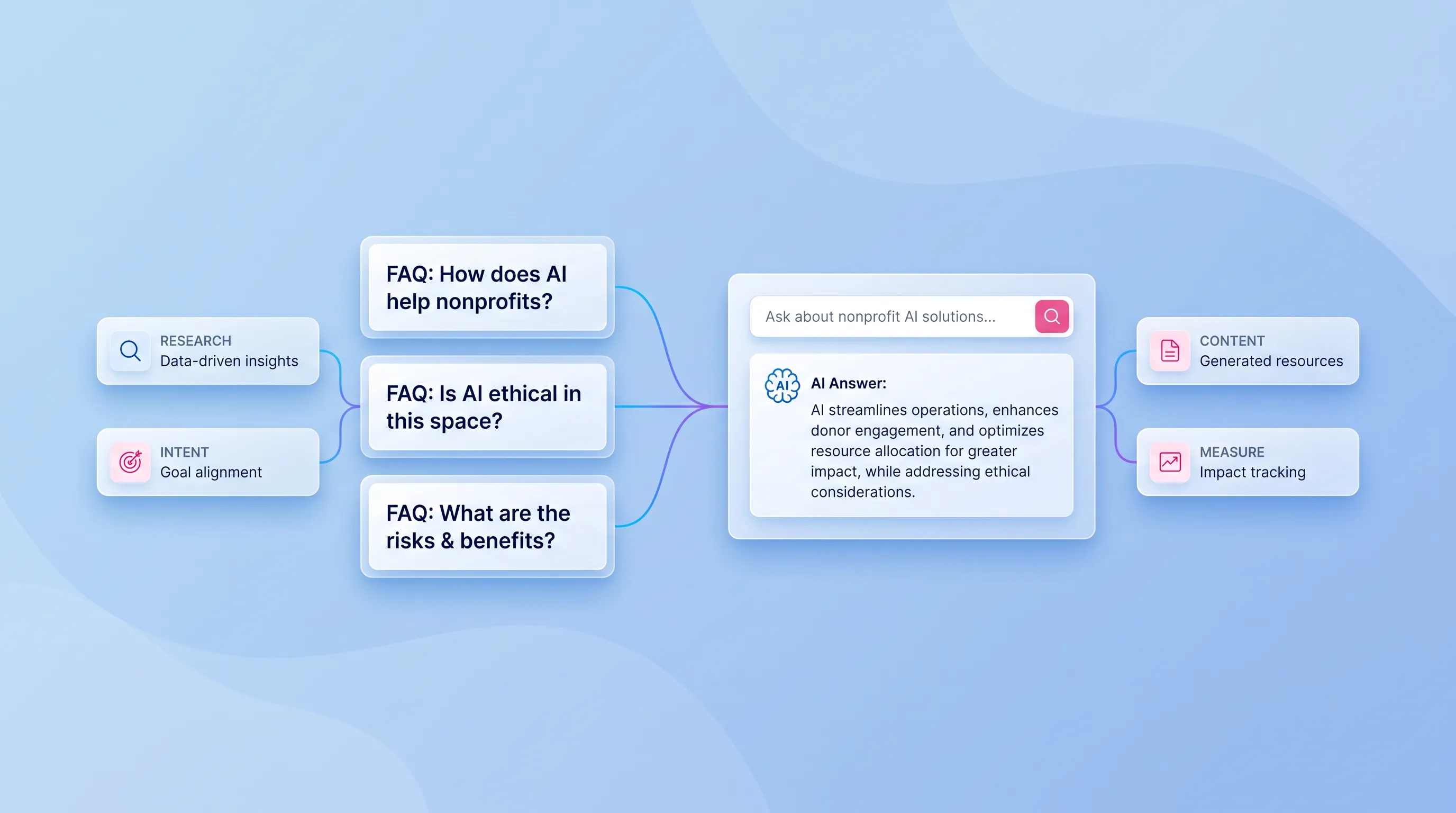
For example, a five-page report about clean water access easily becomes a short comparison guide that evaluates different filtration methods. Teams also convert their annual research reports into a frequently asked questions format. The algorithm does not need to scan an entire document for a single statistic about poverty rates because the question-and-answer layout provides the data point immediately. This format mirrors how users type their prompts into generative platforms.
The algorithm matches the user's question directly to the organization's formatted answer. When organizations redesign their legacy content into these preferred modules, they secure their AI search visibility and maintain their relevance in modern digital discovery.
Future Relevance
Organizations maintain their relevance in modern digital discovery when they receive active citations from an artificial intelligence engine, and these citations give an organization authority. This citation-based visibility builds trust with audiences and expands the overall mission impact. A cohesive strategy blends authentic human storytelling with algorithmic formatting. As generative platforms mature, the organizations that adapt their AI content marketing will lead the new era of digital discovery and policy influence.