Introduction
Artificial intelligence has rapidly entered the non-profit sector and promised high efficiency and output. Many organizations have integrated automated systems to handle their daily communications, grant writing, and donor outreach. However, these organizations often struggle to translate their technological investments into better results. A recent industry report reveals that 92% of nonprofits use AI tools, but only 7% report major organizational impact on their mission. This gap occurs because teams accumulate software and ignore their specific workflows. Staff members use these platforms reactively and create operational bottlenecks rather than improve efficiency. Overcoming this challenge requires organizations to evaluate their financial constraints and staff capacities before they implement any new systems.
This evaluation ensures that technology supports overall objectives and does not complicate daily tasks. Finding the best AI tools for content creation requires a structured approach that prioritizes deliberate execution over random experimentation. This guide provides a framework that helps teams select platforms that align with their budget, team size, and visibility goals.
AI Adoption Paradox
Organizations need this selection framework because many of them rush to acquire AI writing tools, and this rush rarely improves their overall output. Software platforms promise immense productivity, so leaders frequently authorize multiple subscriptions across different departments. However, teams quickly encounter a gap between having access to software and actually changing their operations. If staff members accumulate nonprofit content tech but do not evaluate their existing processes, they create new bottlenecks and fail to resolve old ones. Individuals ignore centralized systems and experiment with platforms in isolation. The 2026 Nonprofit AI Adoption Report reveals that 65% of nonprofits characterize their technology use as reactive and individual because they rely heavily on one-off prompts. This scattered approach prevents organizations from seeing efficiency gains from their investments. Departments maximize their resources when they implement technology methodically.
A clear blueprint helps leaders align new software with their specific operational goals. Without this planning, staff members waste hours because they learn disconnected platforms that do not communicate with each other. Consequently, technology consumes time instead of saving it. Organizations solve this problem when they treat digital marketing and content creation as a unified system rather than a series of isolated tasks.
Generative Engine Optimization in Mission-Driven Work

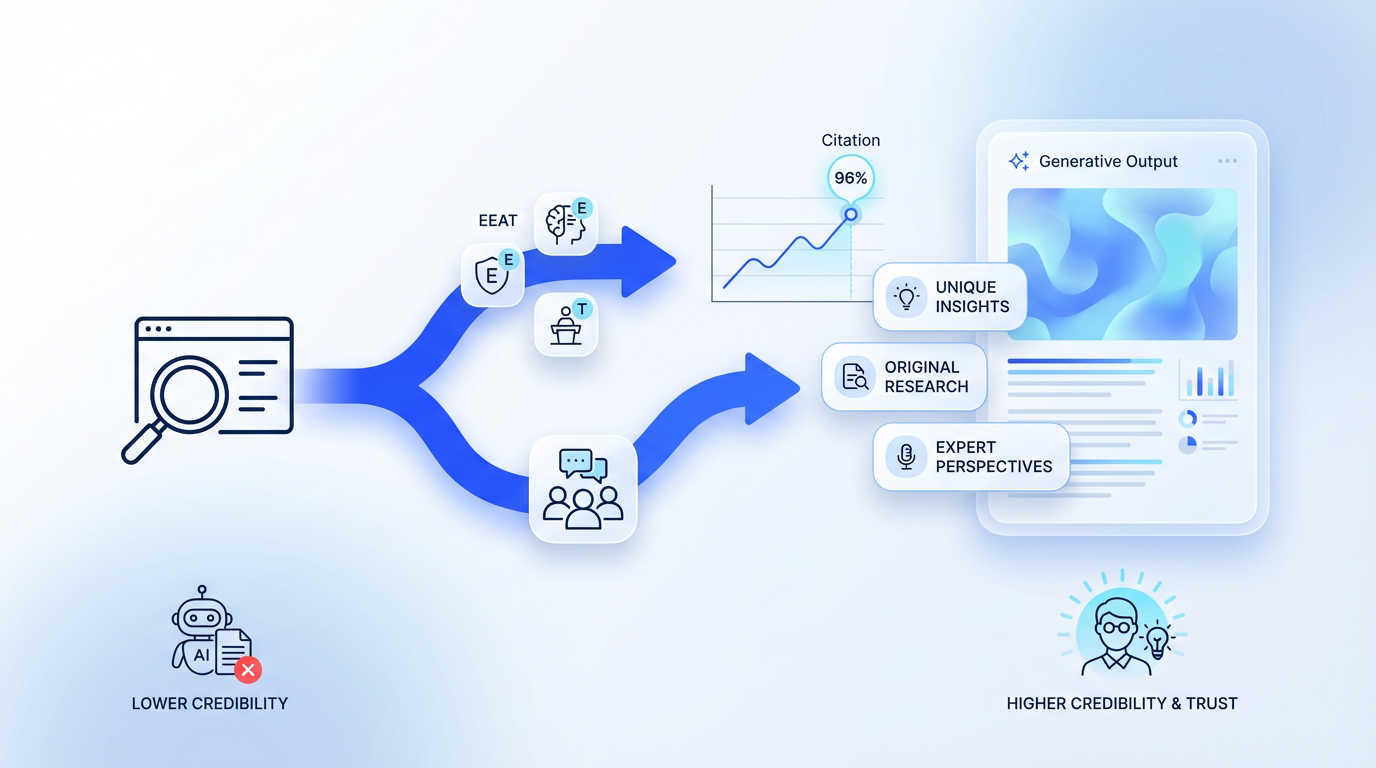
A unified digital marketing system becomes essential because the search landscape has shifted since language models began to summarize information directly in search results. Because search engines now prioritize synthesized answers over simple link lists, traditional search practices fail to maintain digital visibility. Organizations adapt to Generative Engine Optimization to ensure their message reaches the right audience. This shift requires teams to focus deliberately on Experience, Expertise, Authoritativeness, and Trust signals within every published piece. Language models scan the internet for reliable sources, and they prioritize organizations that demonstrate genuine authority on their subjects. A recent study shows that 96% of citations come from sources with strong expertise signals.
Thus, writers damage their organization's credibility when they use AI writing tools to churn out generic articles. Staff members build credibility when they craft content that provides unique insights, original research, and clear expert perspectives. Search Engine Optimization still matters, but it now works alongside new optimization principles. Danny Sullivan directs search at Google, and he recently noted that good SEO equals good GEO because people still need to create valuable content. Teams need tactical strategies to blend their nonprofit content tech with authentic human storytelling. Organizations signal their expertise to both human readers and search algorithms when they publish well-researched search engine marketing campaigns.
Best AI Tools for Content Creation Selection Framework
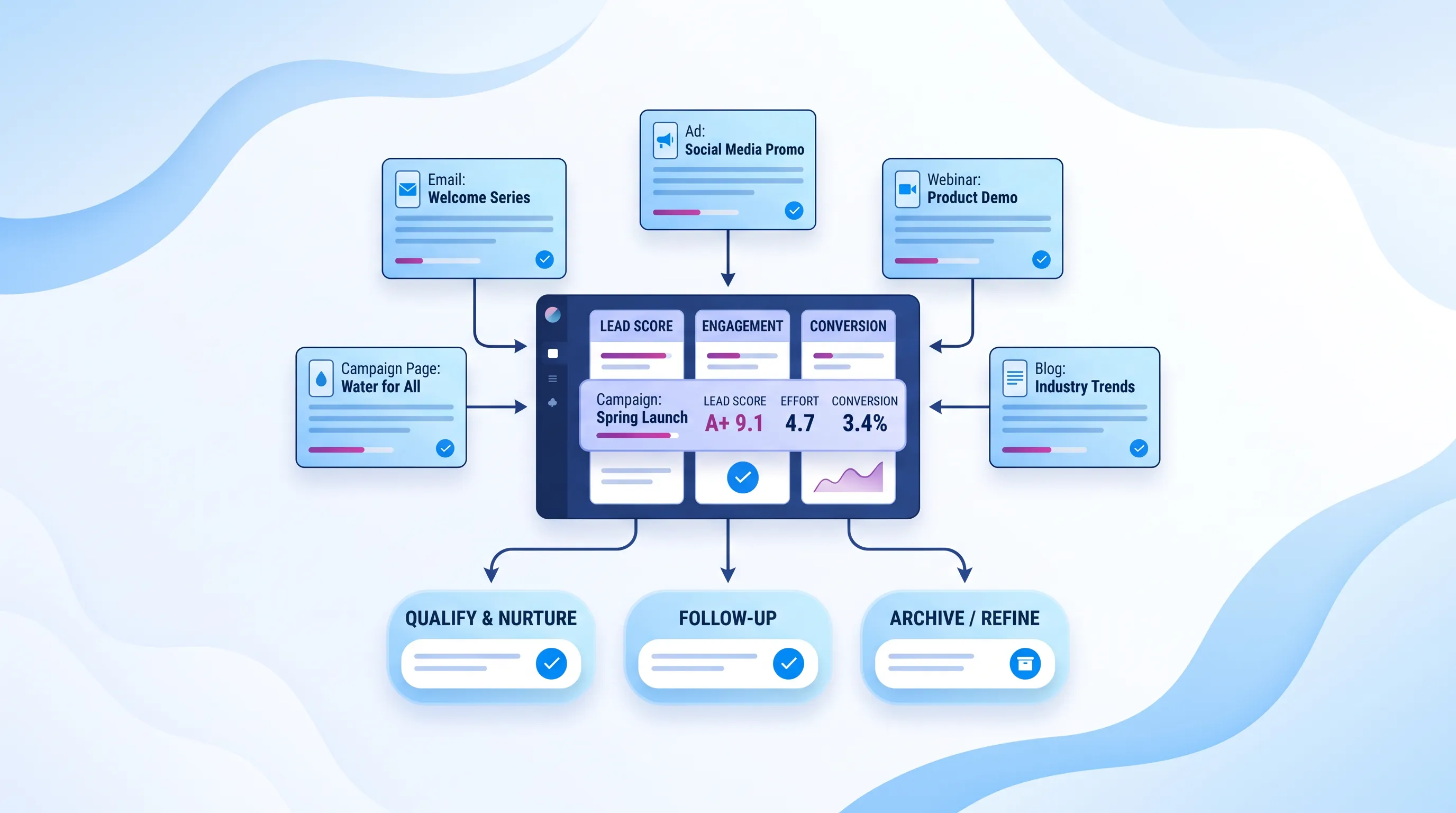
Organizations need the right software to publish these well-researched campaigns, and they require more than online reviews or industry trends to find the right platforms. A calculated approach helps leaders match specific platforms to their unique operational needs. When departments implement a selection framework, their costly software subscriptions do not sit unused. The 2026 Nonprofit AI Adoption Report indicates that organizations see strategic impact when they embed technology into their goals and budgets, while reactive users experience mere tactical efficiency. This means that success depends entirely on strategic alignment rather than the software's features.
Leaders achieve this alignment when they base their selection on three critical factors:
-
Financial realities: Organizations balance free platforms against premium enterprise solutions to maximize their return on investment.
-
Staff capacity: Departments evaluate their team size to determine if they need a simple assistant or a complex workspace.
-
Operational workflows: Teams identify repeatable tasks that benefit most from automation before they authorize new software purchases.
This matrix forces departments to slow down and ask practical questions about their daily work. The subsequent subsections explore how budget constraints, team dimensions, and formal guidelines shape these software decisions.
Budget and Licensing Considerations for Artificial Intelligence Software
Budget constraints heavily influence software decisions, and organizations use free software versions as a starting point when they test basic automation. However, teams restrict their long-term growth and compromise data security when they rely exclusively on unpaid platforms. Free tiers frequently use submitted data to train their public models, and this practice exposes sensitive organizational information to unnecessary risks.
When organizations purposefully invest in paid enterprise subscriptions, they solve these security challenges and access advanced features. Premium versions provide customized data controls, higher output quality, and dedicated support channels. The Chronicle of Philanthropy reports that organizations save one extra day of work monthly with a twenty-dollar tool that increases productivity by 20%. Dedicated software licenses prevent platform outages during peak operational hours and help staff produce better content.
Team Size and Capacity Constraints
Software licenses help staff produce better content, but the communication department size dictates how organizations deploy new technology. A single staff member requires a versatile platform that drafts emails and edits videos. In contrast, a full communications team needs specialized technology that integrates easily into existing workspaces. Large departments face complex approval chains, so they select platforms that support multiple user licenses and secure file sharing. Interestingly, smaller teams often adapt faster to technological shifts.
Research shows that 41% of small organizations report moderate impact from automation, while only 34% of large organizations say the same. Small teams succeed because they proactively implement new systems. They integrate tools directly into their daily routines, whereas large organizations struggle to coordinate adoption across multiple specialized roles.
Repeatable Operational Workflows
Documented workflows coordinate adoption across multiple roles because staff members cannot guess how their organization expects them to use new software. Leaders create formal guidelines that explain exactly when and how to apply automation. Documented processes prevent operational bottlenecks because they establish clear boundaries for content generation and review cycles. Despite this necessity, current industry data shows that only 4% of organizations maintain documented workflows for their technology.
This lack of structure leads to inconsistent messaging across digital campaigns. When teams systematically document their processes, they guarantee that every team member maintains the organization's authentic voice. Managers eliminate the guesswork that slows down production when they outline specific steps for content creation. Clear playbooks help staff discard random prompts and execute reliable strategies that support the organization's mission.
Top General Versus Workflow-Specific AI Platforms
Clear playbooks help execute reliable strategies, but organizations frequently struggle to decide between broad conversational models and highly specialized software. A deliberate software choice ensures that departments match their exact needs with the most capable platform. General assistants handle wide varieties of tasks. Staff members use these broad platforms to outline annual reports, brainstorm campaign ideas, and draft basic community correspondence.
However, some operational bottlenecks require dedicated solutions because general models cannot handle complex formatting automatically. When departments face specialized tasks, they need workflow-specific nonprofit content tech to scale their efforts efficiently.
Consider these specialized platforms:
-
Instrumentl: This platform streamlines complex funding requests and tracks deadlines. For example, Instrumentl serves over 5,500 organizations and saves an average of 3.3 hours per application.
-
InVideo: Teams use this tool to turn written articles into video sequences rapidly.
-
Virtuous Momentum: Staff rely on this software to customize donor outreach messages based on past giving history.
Broad models require constant prompt engineering. In contrast, specialized platforms offer optimized templates built for unique departmental tasks. Teams must analyze their daily hurdles to find the best AI tools for content creation. Staff members adapt faster when the software already understands their specific challenges. Professionals who map distinct functions to the correct platform types eliminate operational friction and improve overall productivity.
Transactional Versus Relational Implementation
Correct platforms improve overall productivity, but automation introduces strict ethical boundaries for mission-driven work. Staff members must differentiate between transactional chores and relational communication when they build their operational blueprint. Transactional tasks include data formatting, meeting note summaries, and research material sorting. These repetitive duties consume considerable time, and they do not add emotional value to the mission. Teams make a practical choice when they use AI writing tools to handle these administrative burdens. Software processes data instantly, and this allows staff to focus their energy elsewhere.
Relational work demands genuine human empathy. Personal connections build donor trust, share vulnerable beneficiary stories, and express gratitude, and algorithms cannot replicate these actions. The best AI tools for content creation handle research and structure, but humans must retain control over the emotional narrative. For instance, Erika Albert serves as the Program Strategist for Major and Principal Gifts at St. Jude, and she uses Copilot and ChatGPT to streamline donor research and maintain authentic relationships. She lets the software compile background data, but she crafts the actual donor conversations.
Organizations succeed when they let computers handle data while humans handle relationships. This balance ensures that technology supports the mission and preserves authenticity. Teams protect their credibility when they review automated drafts and inject their unique perspective into every published piece. Professionals prioritize human connection above production speed when they use a structured software implementation plan.
Output Structure for Dual Audiences
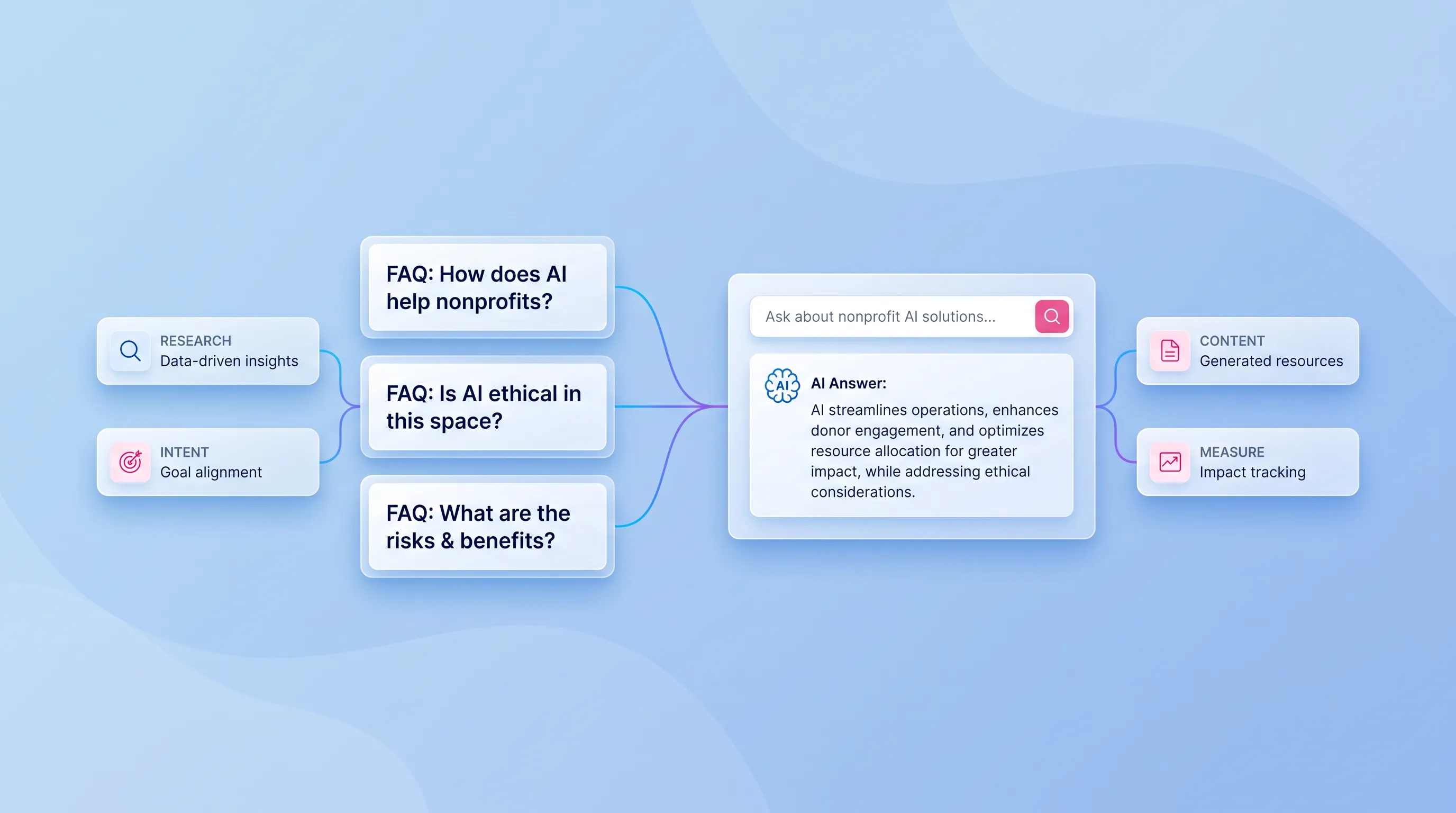
A structured software implementation plan guides digital publishing, and this digital publishing requires teams to satisfy human readers and search algorithms simultaneously. Organizations must apply a methodical formatting strategy to ensure their stories reach the intended audience. The best AI tools for content creation generate drafts, but staff members must structure those drafts to meet Generative Engine Optimization (GEO) standards. A calculated approach to page layout helps algorithms parse information easily and keeps human readers engaged from start to finish.
Content creators implement specific structural elements to optimize their published materials:
-
Clear headers organize text and help algorithms map the hierarchy of information accurately.
-
Quotes from subject matter experts establish authority and break up long text blocks.
-
Summary blocks at the beginning of complex reports provide quick answers for search algorithms.
-
Detailed author biographies signal genuine human expertise behind the published article.
These formatting choices dictate online visibility. For example, artificial intelligence engines cite content with proper author metadata 40% more frequently than anonymous content. Search algorithms trust documented experts, and they penalize uncredited text. Language models extract facts quickly from distinct headers and summary blocks. Meanwhile, human-driven stories within the paragraphs maintain the required emotional resonance. Staff members build a solid foundation for long-term digital success when they blend authentic narratives with crisp, machine-readable structures.
Conclusion
This solid foundation ensures long-term digital success, and ultimately, organizations integrate the best AI tools for content creation through a structured approach that prioritizes genuine human connection over mere productivity. Organizations protect their credibility when they use technology to enhance their authentic storytelling rather than replace it completely. As search engines continue to evolve, the demand for transparent and emotionally resonant communication will only increase. Teams that adopt clear workflows will consistently meet this demand and protect their brand identity. Evaluating current operational bottlenecks helps organizations select one relevant platform to pilot during an upcoming seasonal campaign. Tracking the time they save throughout this pilot phase proves return on investment and builds a sustainable digital strategy for the future.