Introduction
Traditional keyword-driven SEO no longer guarantees visibility for nonprofits. Users increasingly rely on AI-generated answers from platforms like ChatGPT and Perplexity instead of clicking traditional search results. Research shows AI Overviews now appear for 13.14% of queries, more than double the rate from January 2025.
This shift makes Generative Engine Optimization essential for NGOs that want AI systems to discover, verify, and cite their mission data accurately.
Paradigm Shift to AI Citations
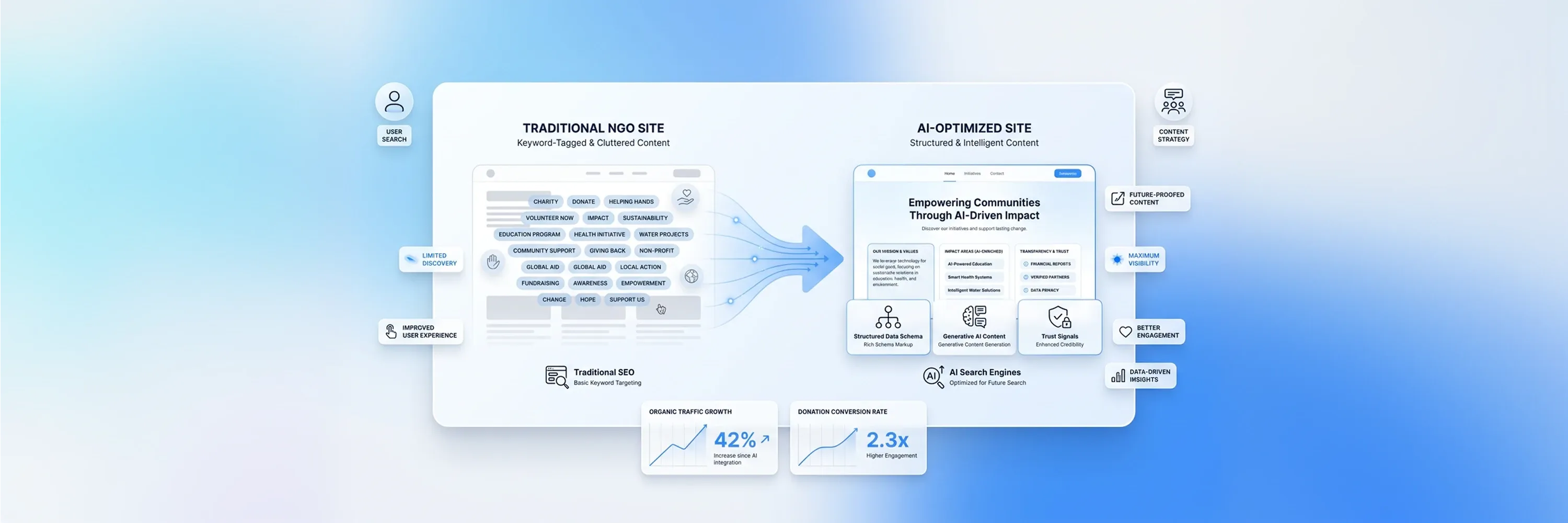
Because artificial intelligence engines extract and process information, these generative platforms change how audiences find information online. Traditional strategies fail because standard search engines prioritize keywords and backlinks to rank content. Today, artificial intelligence engines pull information from authoritative databases and present direct answers to users. This shift requires a new approach called Generative Engine Optimization. The objective evolves from winning clicks to becoming a cited authority within these synthesized answers.
Organizations implement AI content optimization to adapt to this new environment. Keyword rankings no longer guarantee website traffic because users receive information directly on the search page. Search Engine Optimization gets organizations on the list, and Generative Engine Optimization makes them the answer. Algorithms analyze top-tier journalism and recognized databases to formulate responses with definitive facts. Organizations lose visibility when these algorithms cannot extract data with certainty.
Organizations structure their digital platforms to feed these engines properly and maintain public awareness. They prioritize semantic legibility and verifiable primary-source data over keyword frequency. This strategy helps automated systems discover, understand, and cite their mission. Organizations apply specific technical changes to their infrastructure to secure this visibility. This structural alignment allows generative models to read and interpret impact metrics accurately. As a result, the organization becomes a primary source that algorithms trust and display to the public.
Lean Crawlability for Budget-Constrained Tech Stacks
Many nonprofits face technical limitations because of restricted budgets and outdated website infrastructure. Many also lack in-house IT expertise to manage modern digital systems effectively, while budgeting and planning remain major technology challenges.
Despite these constraints, organizations can improve NGO website SEO without expensive development work. A clean technical structure helps AI systems crawl, process, and index important content more efficiently.
Three practical ways to improve technical infrastructure on a budget include:
-
Updating the robots.txt file to guide crawlers like GPTBot and PerplexityBot toward high-value pages.
-
Archiving outdated content that confuses search systems and weakens mission focus.
-
Fixing broken links and simplifying navigation to improve crawlability.
These adjustments improve discoverability while requiring minimal financial investment.
Semantic Legibility and Primary Source Authority

After search engines access the content without technical errors, they process information faster when websites establish semantic legibility. Semantic legibility means organizing content so algorithms understand the exact meaning and context of the text. Generative engines favor primary data over secondary reporting because they need factual evidence to formulate answers. Organizations build authority when they structure their information logically and provide verifiable claims.
Digital platforms evaluate specific credibility metrics before they extract and cite organizational data. ZipTie.dev researchers found that 96% of AI Overview citations come from sources that pass credibility thresholds. These thresholds measure Experience, Expertise, Authoritativeness, and Trustworthiness. Algorithms need precise signals to verify that an organization serves as a legitimate expert in its field.
When organizations focus on AI content optimization, they demonstrate this required expertise. They format their mission statements, program outcomes, and historical data to meet strict algorithmic standards. This structured approach helps generative engines recognize the organization as a primary source. Algorithms pull the organization's data directly into their generated responses.
Data Structure for NGO Website SEO
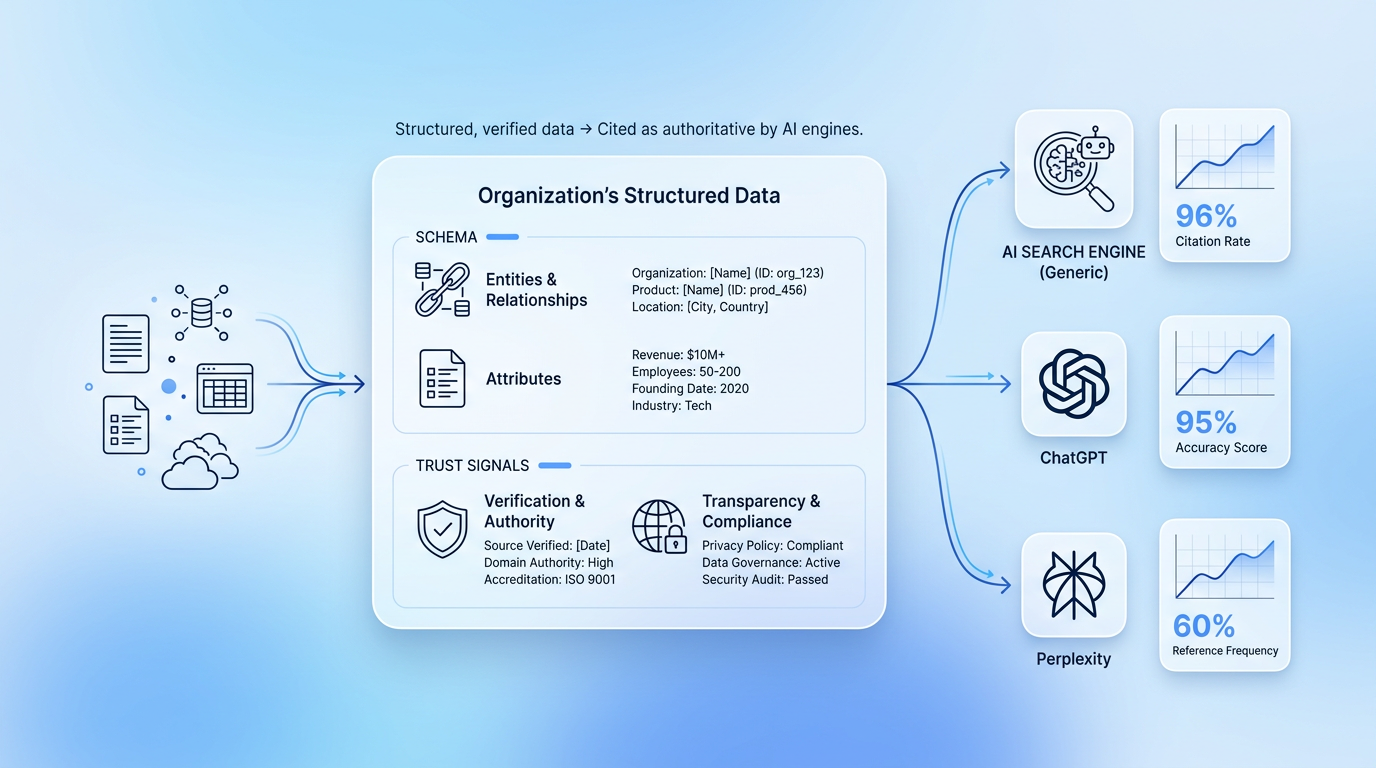
Financial reports and impact data require specific formatting before algorithms pull this information into generated responses. Organizations use schema markup to translate human-readable text into machine-readable formats. Schema markup adds hidden labels to the website's code, and these labels categorize the content for search engines. This exact categorization ensures algorithms understand complex datasets.
Organizations apply schema markup to annual reports, donation statistics, and program results. Microsoft Bing experts explain that schema markup helps large language models understand and interpret web content more accurately. This code tells the algorithm what the numbers represent, like funds raised or meals served. Good NGO website SEO relies on this clear communication between the website and the automated crawler. Organizations secure their position as authoritative sources when they structure their data properly.
Verifiable Primary Sources
Authoritative sources structure their data properly, and generative platforms prioritize this original research and direct organizational data. Artificial intelligence engines attempt to deliver accurate answers and cite the original authors of the information. Platforms like Perplexity favor direct organizational data over secondary news articles or aggregator websites. Perplexity cites sources in 95% of its responses, and ChatGPT cites sources in 60% of its responses.
Organizations publish their raw impact metrics to capture these citations. Organizations upload original datasets, survey results, and field observations directly to their platforms. This strategy proves that the organization generates the data. When automated systems find this dependable primary information, they bypass secondary sources. The organization then becomes the cited authority in the search engine's output.
Organizational Trust Signals
Before an organization becomes the cited authority in the search engine's output, digital platforms evaluate trust signals to rank content reliability. Search engines reward pages that demonstrate proven expertise, even if those pages lack traditional backlinks. Organizations project Experience, Expertise, Authoritativeness, and Trustworthiness through author biographies, transparent funding sources, and professional network associations.
These trust signals validate the organization's digital footprint. Recent analysis shows that pages ranking sixth through tenth with strong trust signals are cited 2.3 times more than top-ranking pages with weak trust signals. Algorithms look for a solid reputation before they extract information. Organizations build this reputation when they link their leadership team to established professional networks and cite their own methodology. This transparent approach convinces generative engines that the organization provides accurate and safe information to the public.
SEO Optimization for NGO Websites
Structured metadata helps AI systems understand and cite organizational information more accurately. Instead of relying on unstructured text, nonprofits can use schema markup to categorize impact reports, donation statistics, and program data for search platforms.
Effective SEO optimization for NGO websites depends on this technical structure. According to Big Eye Agency, content with structured data earns 42% more AI citations than content without it. Clear headings, descriptive alt text, and concise meta descriptions also improve discoverability and indexing.
Organizations can further scale these efforts with automated generation strategies that maintain formatting consistency across large content archives.
Measurement Beyond Click
The organization's mission reaches the people who need it most, and mission-driven organizations require new measurement frameworks to track this reach because zero-click AI answers prevent direct website traffic. Generative engines summarize information on the results page, and users rarely click through to the original source. Traditional analytics focus on page views and bounce rates, but these metrics fail to capture the organization's true digital footprint in an AI-first environment. Organizations adapt their reporting to measure visibility accurately.
Industry data highlights the urgency of this transition. When AI Overviews present synthesized answers, click-through rates drop to 8% versus 15% for traditional search results. This traffic reduction requires a shift in how organizations evaluate successful SEO optimization for NGO websites. Instead of counting clicks, organizations track AI brand citations and share of voice. They monitor how often language models mention their organization when users ask about specific social issues.
How Organizations Measure Visibility And Impact In AI Search Systems
Organizations deploy specialized tracking tools that query artificial intelligence engines systematically and secure verifiable results. These tools measure whether the generated responses include factual information about the organization's programs and leadership. Organizations compare their share of voice against similar organizations to gauge their authority in the sector.
Furthermore, organizations evaluate qualitative mission outcomes and track phone calls, volunteer sign-ups, and direct donations that result from these algorithmic recommendations. They ask new supporters how they discovered the organization to correlate real-world engagement with AI citations. This thorough measurement approach proves the value of digital infrastructure investments even when traditional website traffic declines. Organizations maintain their momentum when they understand exactly how algorithms distribute their message to the public.
Bridge Grant-to-Prompt Language Gap
Users ask complex questions about social issues, but internal terminology often conflicts with the conversational prompts that these daily users type. Organizations use complex academic language to write grants and official reports, but the public uses simple questions to search for information. This gap prevents algorithms from matching the organization's resources to the user's query. Organizations align their website language to serve multiple audiences simultaneously.
Matching user intent forces organizations to rethink their messaging. Experts advise that organizations must audit how AI describes their work via platforms like ChatGPT and Perplexity. Once web administrators review these AI outputs, they adjust their website copy to correct inaccuracies and simplify their terminology. This linguistic alignment becomes the core of modern NGO website SEO.
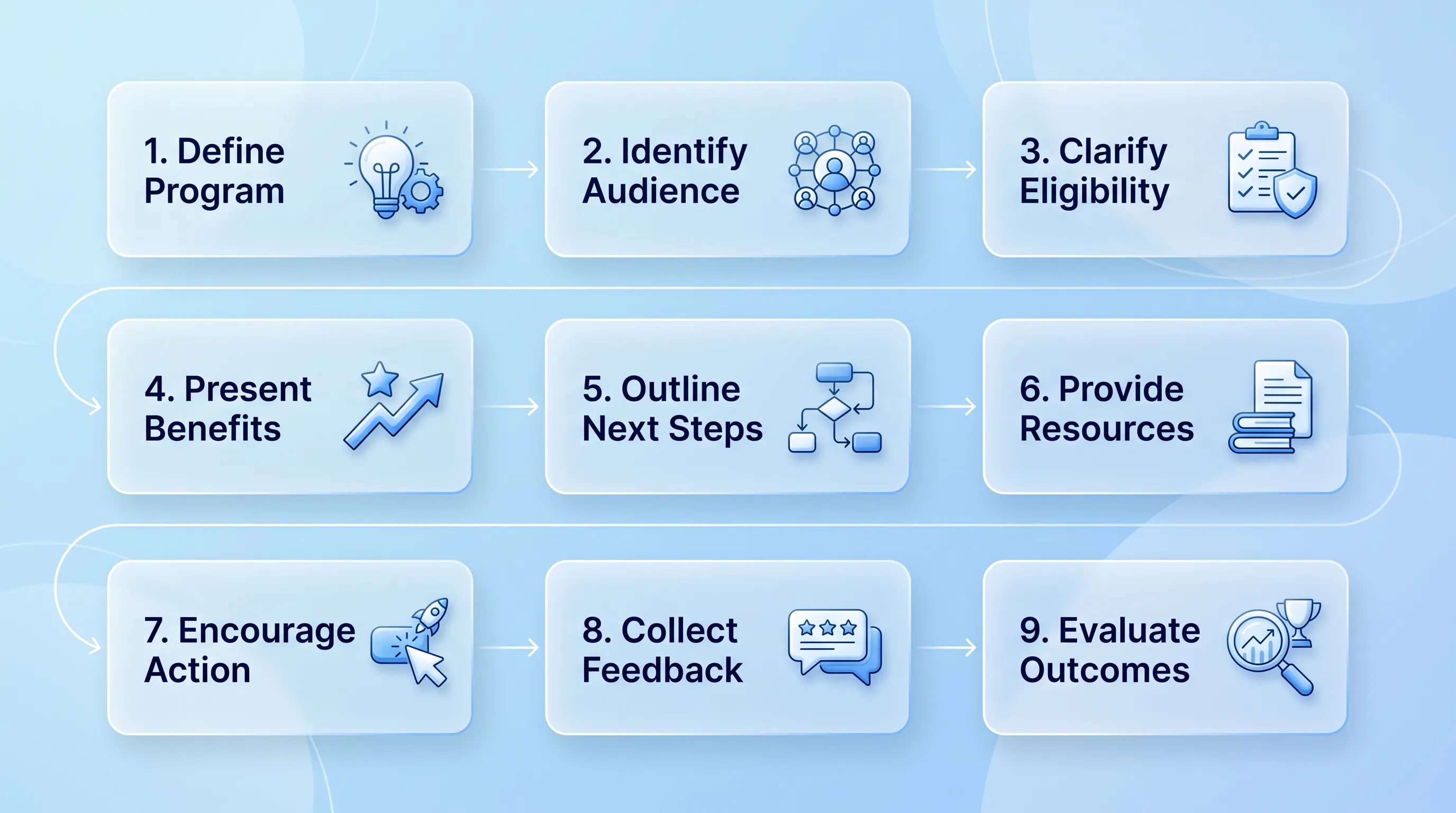
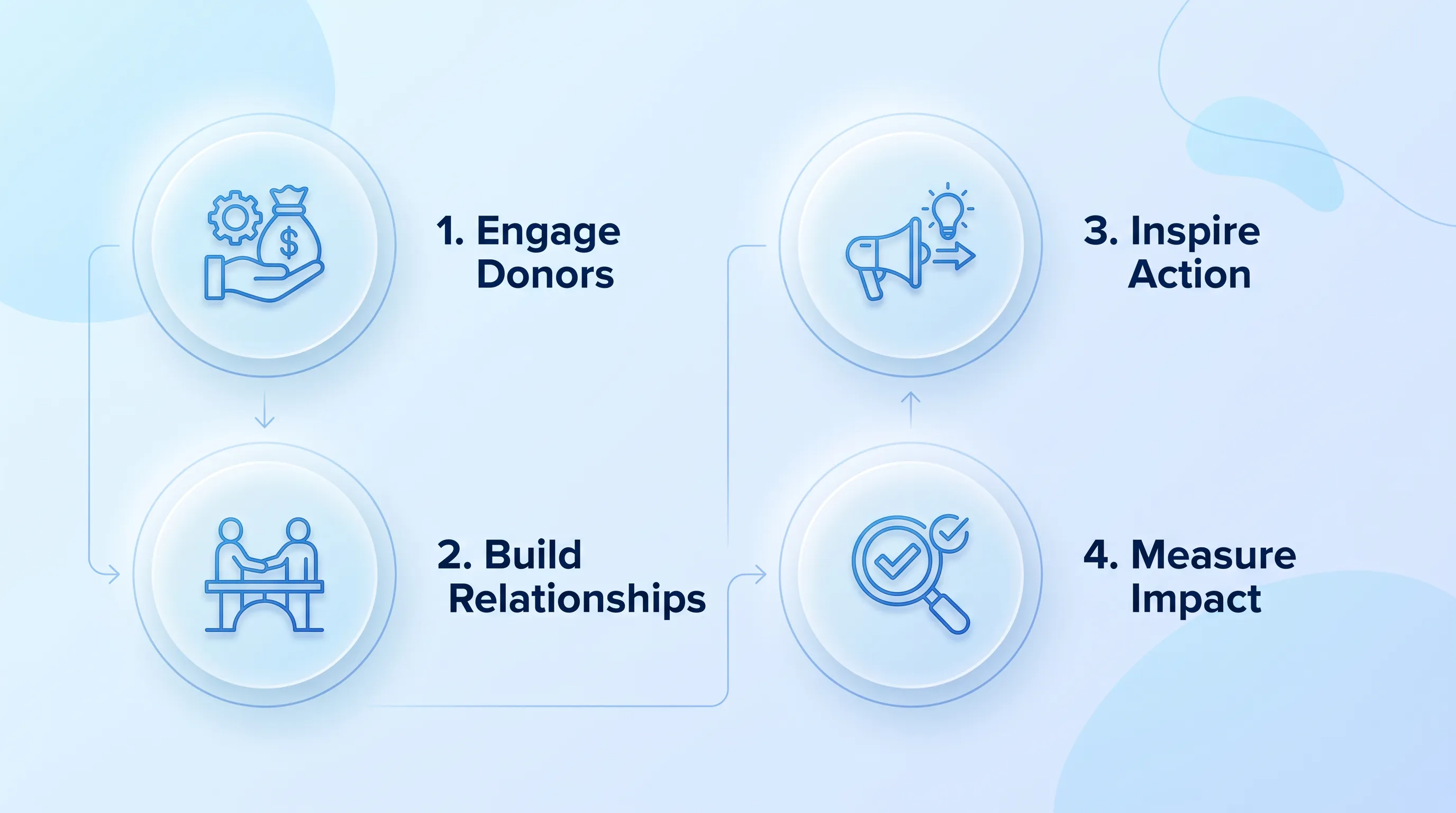
A resolved communication strategy targets four distinct groups:
-
Donors who seek transparent financial data and clear impact summaries before they contribute funds.
-
Volunteers who look for accessible schedules, location details, and straightforward application instructions.
-
Beneficiaries who require simple guidance on how to access services, qualify for programs, and contact support staff.
-
Informational searchers who ask broad questions about social causes and need authoritative definitions.
Content teams create specific landing pages that address the unique vocabulary of each group. Effective SEO optimization for NGO websites translates institutional jargon into natural phrasing that mirrors human speech. When organizations adopt this conversational tone, algorithms easily connect the platform's content to the public's daily search inquiries. This connection ensures the organization's mission reaches the people who need it most.
Conclusion
To summarize, organizations understand how algorithms distribute their message, and they build digital trust by securing visibility in an AI-first information landscape. They adapt their technical infrastructure and primary-source data reporting to remain discoverable. Unstructured information leaves a mission's narrative entirely up to the whims of algorithms. Proper SEO optimization for NGO websites helps organizations prevent this loss of control.
As generative platforms evolve, successful organizations will treat their digital presence as a verifiable knowledge base rather than a traditional brochure. To take the next step, organizations review current content generation strategies and implement schema markup to guarantee that algorithms accurately interpret their impact.