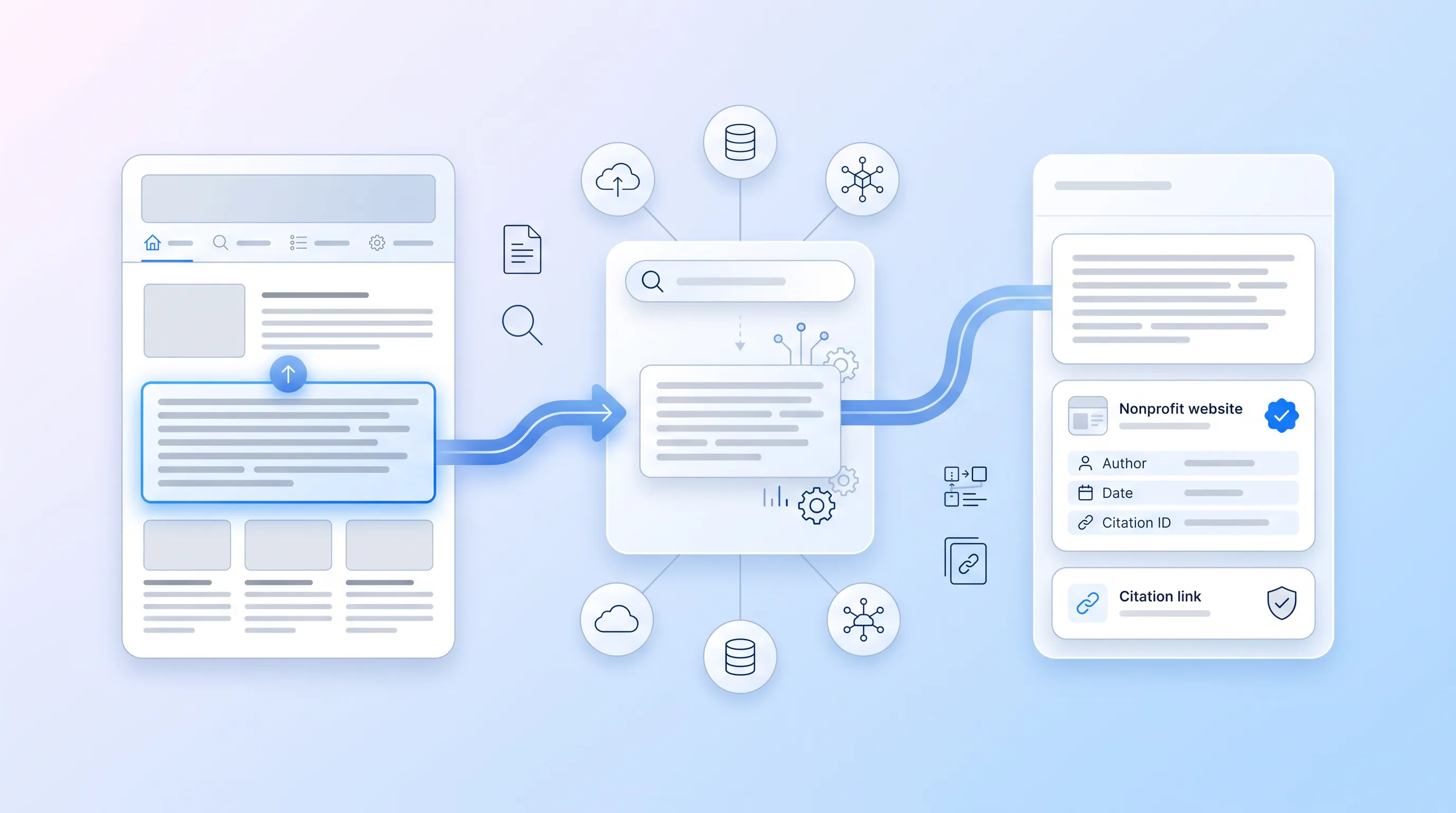
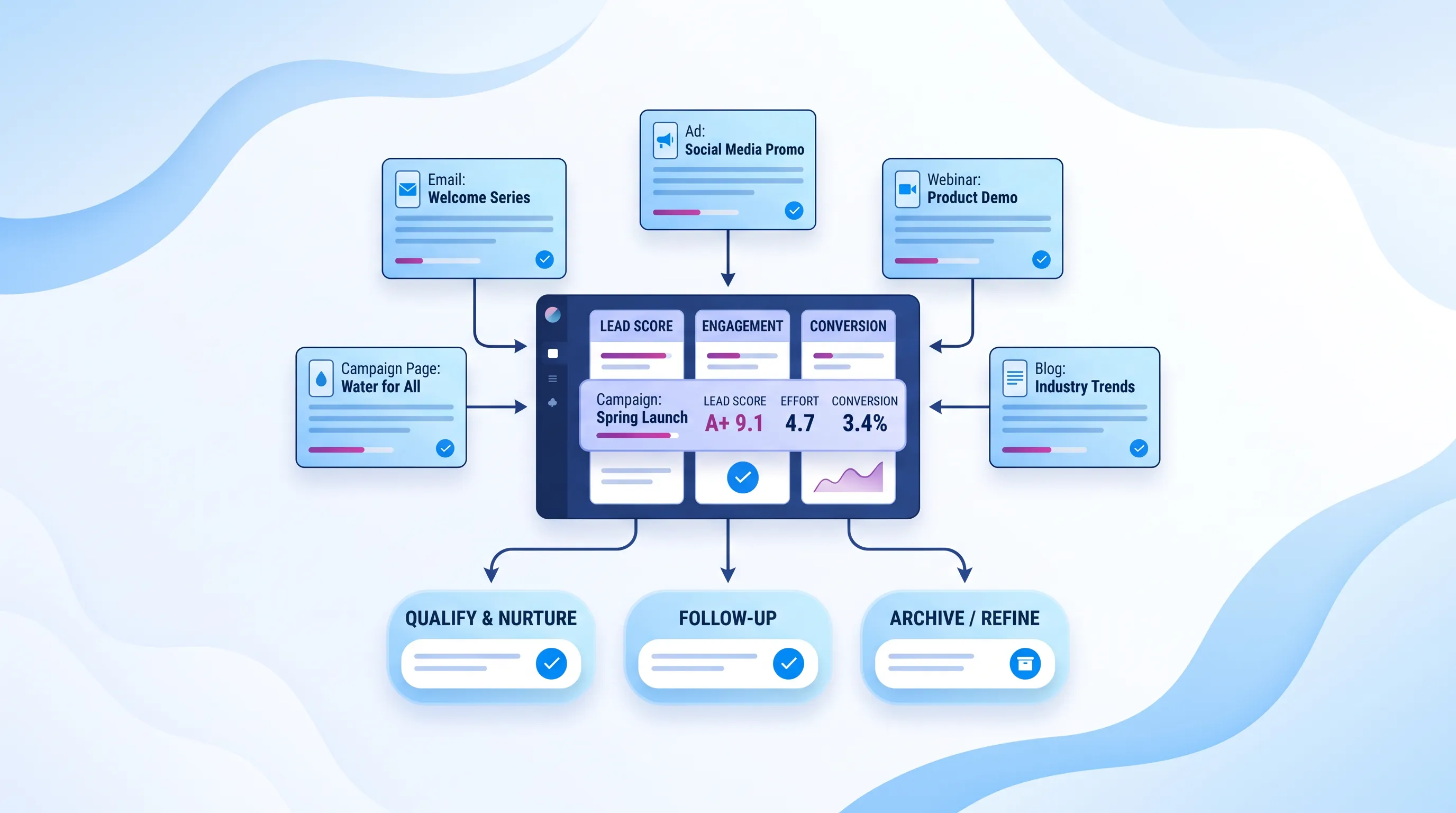
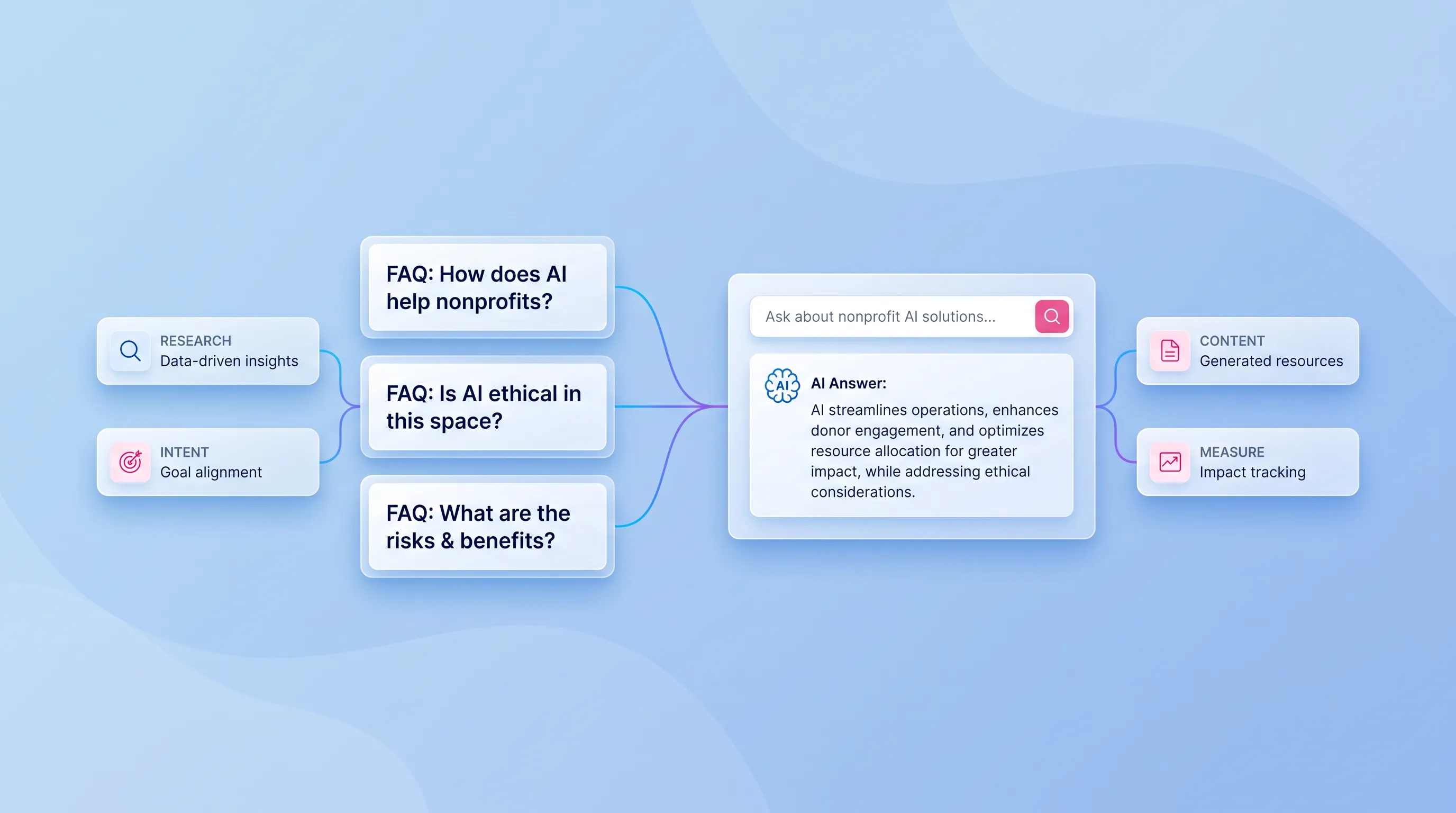
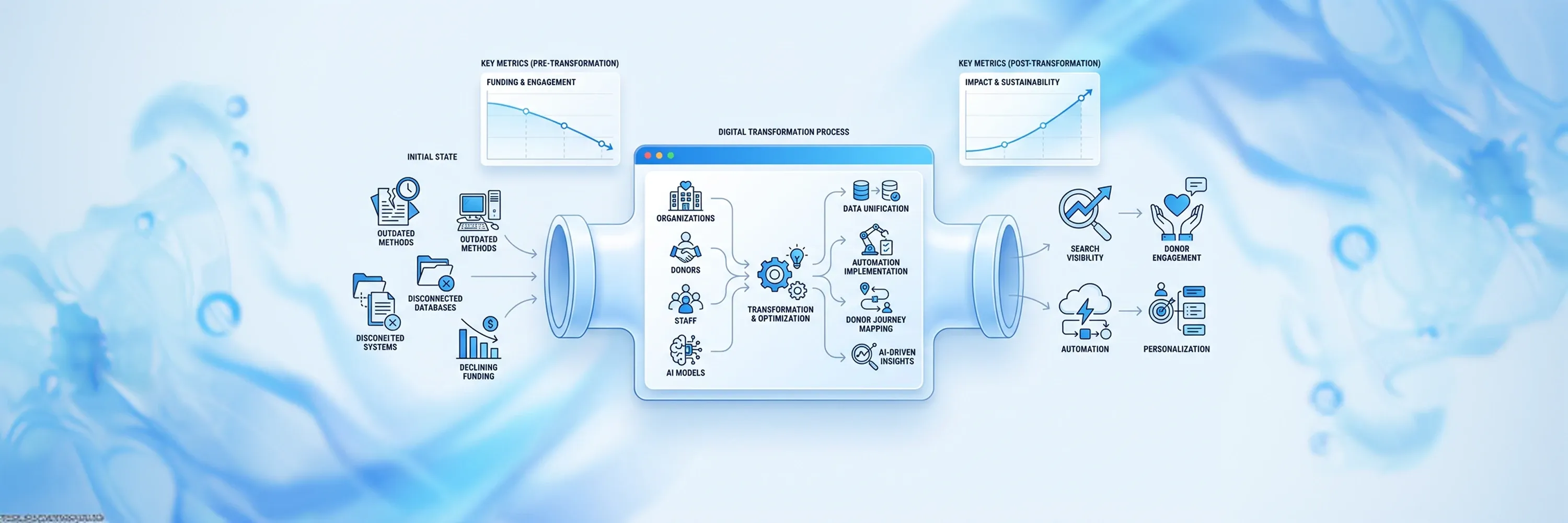
Infographic showing nonprofit digital transformation process from outdated systems to AI-driven optimization, highlighting data unification, automation, donor engagement, and increased funding impact.

NGO Digital Marketing Strategies That Drive Trust and Visibility

In this article, we examine the recent changes in online discovery and donor engagement. We explore how organizations adapt their outreach frameworks to establish reliable connections alongside artificial intelligence and new funding models.

Content authorSnoika FoundationPublished onReading time9 min read

Introduction

Mission-driven organizations use digital outreach to connect with supporters and secure funding. These organizations face rapid changes as supporters alter how they discover and evaluate causes. They must adapt to generative artificial intelligence systems that rewrite the rules of online visibility. At the same time, these groups experience financial pressure because major bilateral donors reduce project grant pools by nearly 24% over two years. This combination of technological disruption and financial pressure forces mission-driven organizations to rethink their approach to public engagement.

These organizations can no longer rely on isolated tactics and outdated search strategies because prospective donors use complex answer engines instead of simple search bars. Mission-driven groups must build an organized digital presence so their programs remain visible to the communities and funders who seek them. They must commit to a sustainable online ecosystem to secure the long-term trust and visibility necessary to advance their missions. To navigate this environment, these organizations need thorough NGO digital marketing frameworks that combine technical precision with authentic storytelling.

Dual Challenge of Search, Funding

These digital marketing frameworks help organizations address a dual challenge as traditional funding sources decline and online discovery methods change. AI search engines like ChatGPT and Perplexity reshape online visibility in 2026. This technological shift means that volume-based content tactics fail to provide stability in the modern digital environment. Generative platforms do not reward sheer content volume or keyword stuffing. Instead, these systems look for verifiable facts and direct answers to user queries.

Organizations need certainty when they invest limited budgets into outreach campaigns. Consequently, an effective NGO digital marketing framework requires a pivot away from isolated promotional tactics. Nonprofit digital growth depends on becoming a trusted entity that generative models cite as a reliable source. This shift forces organizations to rethink how they structure public information. Organizations must abandon website clicks and build digital ecosystems that answer complex donor questions directly.

These changes require a methodical approach to nonprofit search visibility. Organizations establish authority when they align their digital assets with the specific mechanisms that answer engines use to evaluate credibility. This adaptation helps organizations maintain their public presence during algorithm updates and secures long-term donor discovery. New search technologies directly control this long-term discovery.

Answer Engine Visibility Gap

The transition from traditional Search Engine Optimization (SEO) to Answer Engine Optimization (AEO) represents this technological shift and changes how organizations structure their digital information. Currently, 65% of nonprofits characterize AI use as reactive and individual rather than integrated into their strategy. This reactive approach creates a visibility gap when prospective donors ask complex questions about specific causes.

Building an AI-Optimized Digital Strategy for Nonprofits

Organizations must build a trusted entity knowledge graph that generative models can read with precision to close this gap. An integrated NGO digital marketing strategy gives nonprofits control over how answer engines perceive their mission. Rather than rely on generic blog posts, organizations must publish structured data that directly answers common queries.

A successful AI visibility marketing plan requires organizations to implement specific technical adjustments:

  • Schema markup acts as code that helps search engines understand the meaning behind website content.

  • Authoritative citations serve as mentions from respected institutions that validate the organization's claims.

  • Clear impact metrics provide concrete data points that demonstrate program effectiveness without ambiguity.

These elements form a digital footprint that artificial intelligence trusts. Organizations sometimes struggle to produce this structured content consistently. A content creation system helps staff maintain formatting standards across all publications. When organizations standardize their digital information, they earn citations from generative models and secure their position in modern search results. Organizations need a strong technical base to standardize this digital information.

Reliable Data Infrastructure

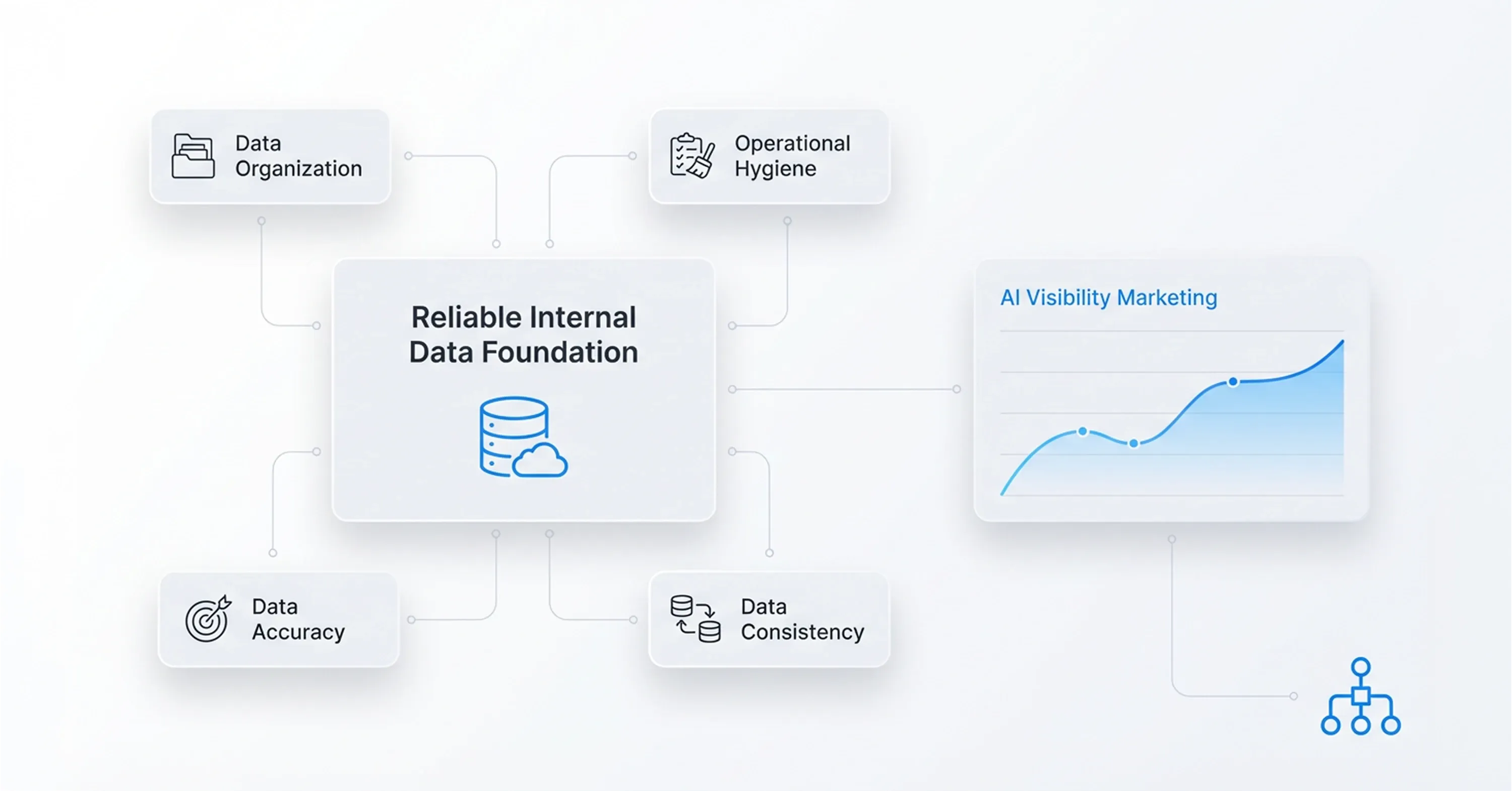
Infographic showing reliable internal data foundation with data organization, accuracy, consistency, and operational hygiene supporting AI visibility marketing and analytics growth

Organizations must build this technical base and address their internal data foundation before they launch complex campaigns. A strong foundation requires internal data organization to support broader visibility goals and establish clean operational hygiene. Without organized internal data, external outreach efforts fail to reach the right audience. Nonprofits need assurance that their contact lists, donor histories, and impact metrics remain accurate over time.

Clean data prevents wasted marketing budgets and missed donation opportunities. When an organization integrates its internal databases with its external publishing platforms, it creates a unified digital ecosystem. This unified system forms the backbone of effective NGO digital marketing. Furthermore, structured internal data directly influences AI visibility marketing success. Generative models look for consistency across all digital touchpoints to verify an organization's claims.

Aligning Internal Data with External Visibility

If an organization's internal reports match its public statements, answer engines trust the entity more. Organizations can verify this alignment when they review search visibility reports. These reports show exactly how clean data infrastructure translates into online authority. This infrastructure requires time and resources upfront. However, this initial investment prevents the operational bottlenecks that often plague fragmented organizations. Fragmented organizations overcome these bottlenecks when they centralize their data.

Data Centralization For Growth

Organizations take the first step toward data centralization when they clean their contact records. Customer Relationship Management (CRM) databases degrade quickly without regular maintenance. Industry research shows that CRM data decays 2.1% monthly, and this outdated contact data harms outreach, credibility, and donor relationships. When organizations fail to resolve data decay, they send messages to abandoned email addresses or incorrect titles.

These errors diminish the reliability of the organization's communication efforts and frustrate prospective supporters. Conversely, an organized database directly improves donor relationships. Staff can segment their audiences accurately and tailor messages to specific donor interests. Centralized data prevents embarrassing communication overlaps between different departments. Clean databases enable staff to track engagement history and recognize long-term supporters appropriately before they ask for new contributions. Staff need simple digital tools to maintain these clean databases effectively.

Technology Stack Simplification

Organizations must consolidate their digital tools to prevent operational bottlenecks and keep their technology simple. Many nonprofits adopt a new software application for every minor marketing task. This fragmented approach creates data silos and exhausts staff members who must learn multiple interfaces. Experts note that nonprofit technology success depends on simplification because integration and clarity drive impact.

Fewer, well-integrated tools yield better results than disjointed systems. A simplified technology stack builds operational strength across the entire organization. When systems communicate smoothly, information flows from the donation page to the main database without manual data entry. This automation frees up staff time for strategic planning and direct donor engagement. Ultimately, a streamlined toolset accelerates nonprofit digital growth because staff focus on the mission rather than troubleshoot software glitches. This operational efficiency allows staff to measure how their digital growth actually supports the mission.

NGO Digital Marketing Returns

Organizations measure this support when they move past superficial data points to evaluate the true impact of their digital outreach. They discover that high email engagement does not correlate with donations because these vanity metrics mask fundraising ineffectiveness. When organizations rely on simple open rates and social media likes, they fail to demonstrate how their campaigns influence donor decisions. They also struggle to secure resources from skeptical institutional funders who demand concrete proof of mission impact.

Measuring True ROI with Multi-Touch Attribution Models

To provide this proof, organizations adopt multi-touch attribution models. Organizations use these models to record every interaction a prospective supporter has with them over time. Consequently, organizations discover the hidden value in brand-building efforts that last-click models overlook. For example, an organization might track a donor who reads a research report, watches an impact video, and later clicks a donation link. While organizations see last-click models credit only the final link, they use a structured brand-building framework to assign appropriate value to the initial educational content.

Organizations justify their budgets with this detailed tracking. When organizations integrate AI visibility marketing into this attribution system, they present their funding requests with conviction. They show exactly which educational resources drive public support. They use these transparent reporting mechanisms to establish long-term trust with philanthropic partners. Organizations measure every interaction along the donor journey and connect public awareness directly to organizational revenue. Internal teams exert consistent effort to track these interactions.

Engagement Without Exhaustion

Teams stretch their internal resources to the limits when they maintain these authentic connections with supporters. They face heavy workloads and staff burnout, as 62% of nonprofits report these issues as their primary operational challenges. When organizations try to publish content across every available platform manually, they exhaust themselves and dilute their core message. They also trigger donation fatigue among modern supporters when they send generic appeals. If organizations push high volumes of unsegmented emails, they risk alienating their most dedicated contributors. Organizations must prioritize personalization to ensure campaign success and long-term retention.

Operational Strategies for Scalable and Sustainable Nonprofit Growth

Organizations resolve this tension and build a strong operational foundation that supports targeted messaging without constant manual work.

Organizations achieve a sustainable approach to nonprofit digital growth when they implement specific workload management strategies:

  1. They segment donor records based on giving history and specific program interests.

  2. They automate routine administrative messages to free up staff time for direct relationship building.

  3. They structure educational materials to support AI visibility marketing goals across multiple digital platforms.

Organizations use these practices to run targeted campaigns with confidence. They prioritize data organization over content volume to protect their workforce and deliver the authentic stories that younger generations demand. They maintain a strategic balance between automation and personal outreach to secure lasting donor loyalty. This loyalty depends on how well organizations adapt to modern outreach requirements.

Conclusion

Organizations evaluate these strategies to understand the fundamental shift that modern outreach requires. Maintaining an effective online presence demands an ongoing operational commitment rather than isolated promotional bursts. Organizations connect clear impact data with authentic narratives to create the digital trust that prospective supporters require before they commit resources. True NGO digital marketing success occurs when teams stop chasing fragmented visibility and build an integrated system. This deliberate approach allows organizations to secure financial foundations and increase societal impact well into the future. The exact next step requires organizations to establish foundational metrics and structure data for immediate search readiness.
You should check your online visibility metrics at least once a month. When you monitor your data regularly, you catch errors and adjust your content before you lose donor traffic. If you don't track these changes monthly, your programs might disappear from search results without your knowledge.

You need to look for tools that find duplicate records automatically and connect with your other software. These features prevent data silos and stop staff from doing manual entry work. A clean database ensures you send personalized messages to the right supporters at the right time.

Snoika Foundation helps mission-driven groups amplify their public voices across modern search platforms. They use specific visibility strategies to make your programs visible to people who ask questions in systems like ChatGPT. You can partner with them to build global trust and secure your digital presence.

You don't always need a programmer to format your website data. Many platforms offer simple plugins that add structured data to your pages automatically. You can install these tools yourself to execute your ngo digital marketing plan and help search engines read your content.

You should dedicate roughly ten to fifteen percent of your operating budget to digital infrastructure. This investment covers your database maintenance and content creation tools. You shouldn't underfund these systems because proper financial support prevents staff burnout and protects your organization against future funding declines.

Book a Demo

Book a time that works best for you

You Might Also Like

Discover more insights and articles

AI-powered nonprofit dashboard showing outreach, messaging performance, donor personalization, analytics, and data governance metrics

AI Content Creation Software for NGOs and Charities

In this article, we explore how to select and implement integrated digital platforms to manage messaging. We discuss the transition from fragmented writing tools to unified systems that connect content generation, distribution, and performance tracking.

illustration of AI-driven workflow optimization showing productivity metrics, document processes, and credibility verification dashboard

Best AI Tools for Content Creation for Nonprofits

In this article, we explain how organizations can move past reactive experimentation and build a solid foundation for their automated workflows. We provide a decision matrix that helps teams choose the right platforms according to their specific capacities and operational realities.

diagram showing a hybrid content creation workflow combining AI drafting, human review, fact-checking, and publication to build trust and efficiency

Automated Content Creation Without Losing NGO Credibility

In this article, we explain how to integrate automated systems into drafting workflows and maintain institutional credibility. We also explore practical governance frameworks that protect sensitive data and help organizations rank higher in modern search environments.

illustration showing transformation from an outdated website to an AI-optimized site with increased organic traffic and structured data elements

Nonprofit SEO That Builds Authority in AI and Google Search

In this article, we explain how organizations can adapt digital presence to changes in artificial intelligence search engines. We provide methods to structure data and build trust, and this helps missions remain visible to supporters.