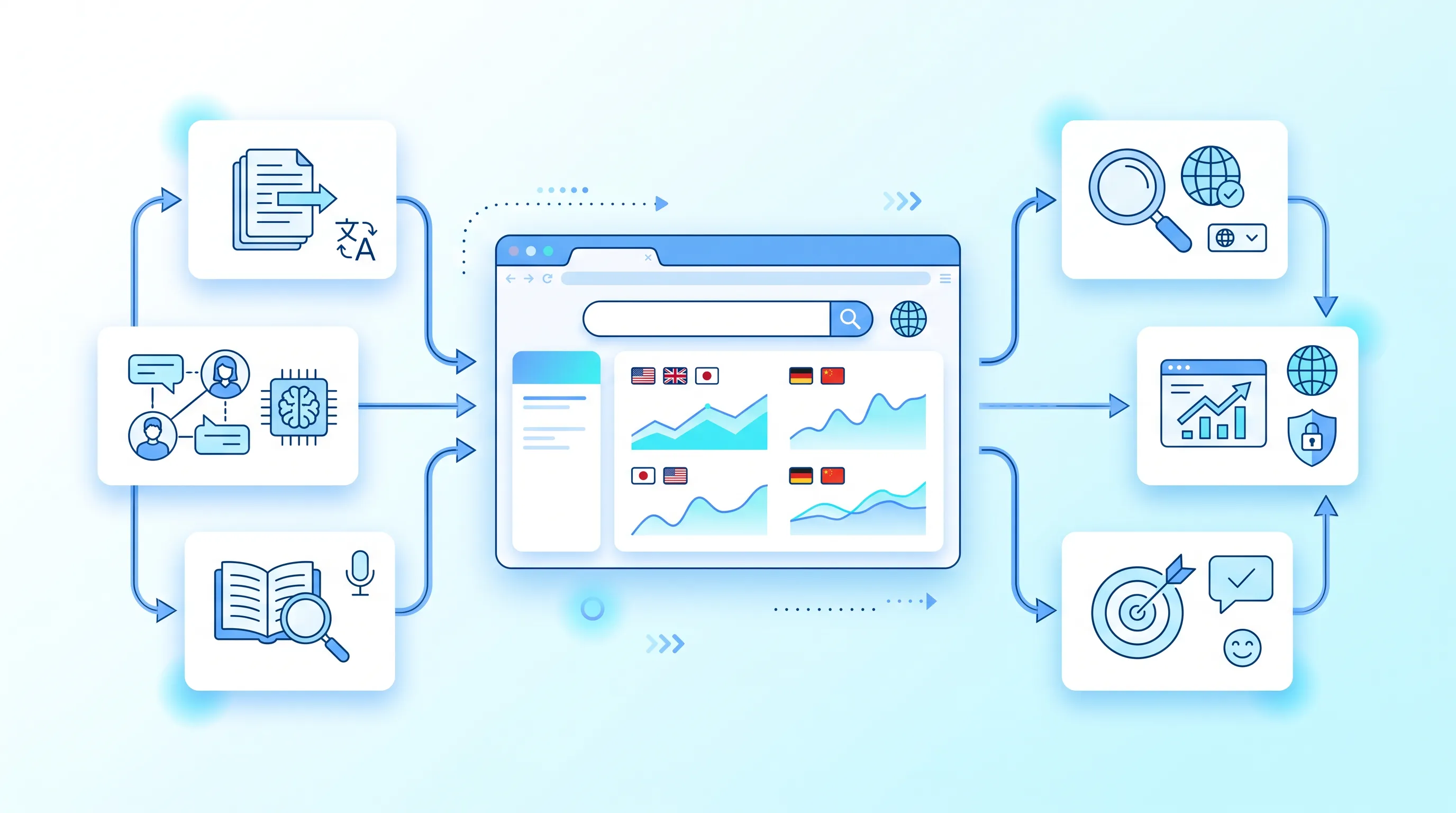
Define the case study
A nonprofit case study template answers one question: what happened in this programme, for whom, and what can be said about it with the evidence on hand. That question sounds modest. It is also the hardest thing to hold onto once a deadline arrives and a funder wants something impressive by Friday. A proof-based storytelling model keeps you honest by forcing each claim back to its source.
"AI-ready" here means structured and sourced so a machine can parse it without inventing the missing parts. It isn't a certification, and nobody can promise you visibility. Pages that get cited by Google's AI Overviews are 81% more likely to contain specific numbers than uncited pages at the same rank.
What this document is not
A personal story centres one person's experience in their own words. An evaluation summary reports findings from a designed study with a sample and a method. A nonprofit case study template sits between them, and it borrows discipline from both.
One participant's experience shows how the programme worked for them in that place. Bond, the UK network of development organisations, built its five evidence principles around exactly this tension, and the contribution principle asks you to explore how change happened and the factors outside your intervention.
Complete nonprofit case study template
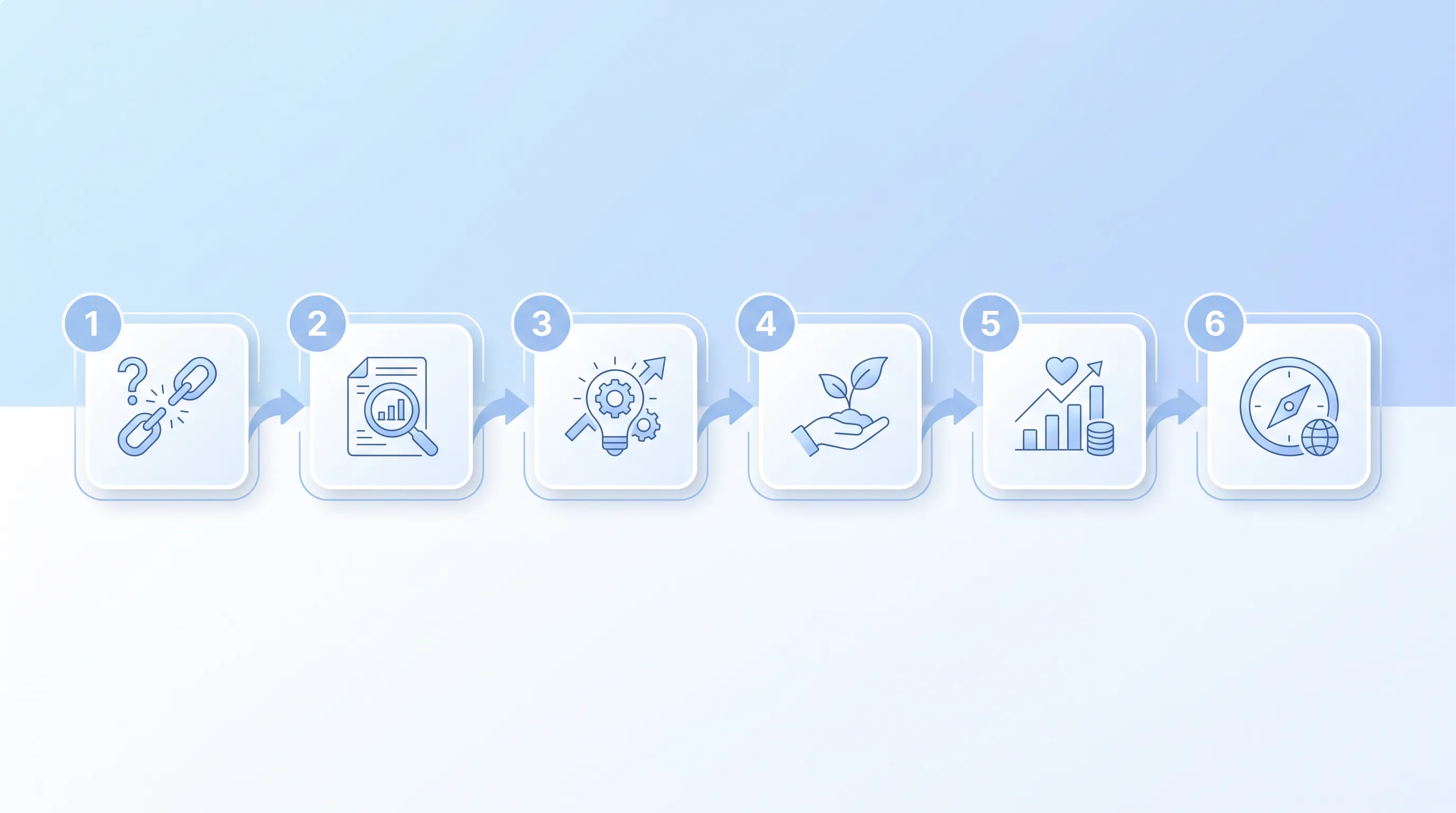
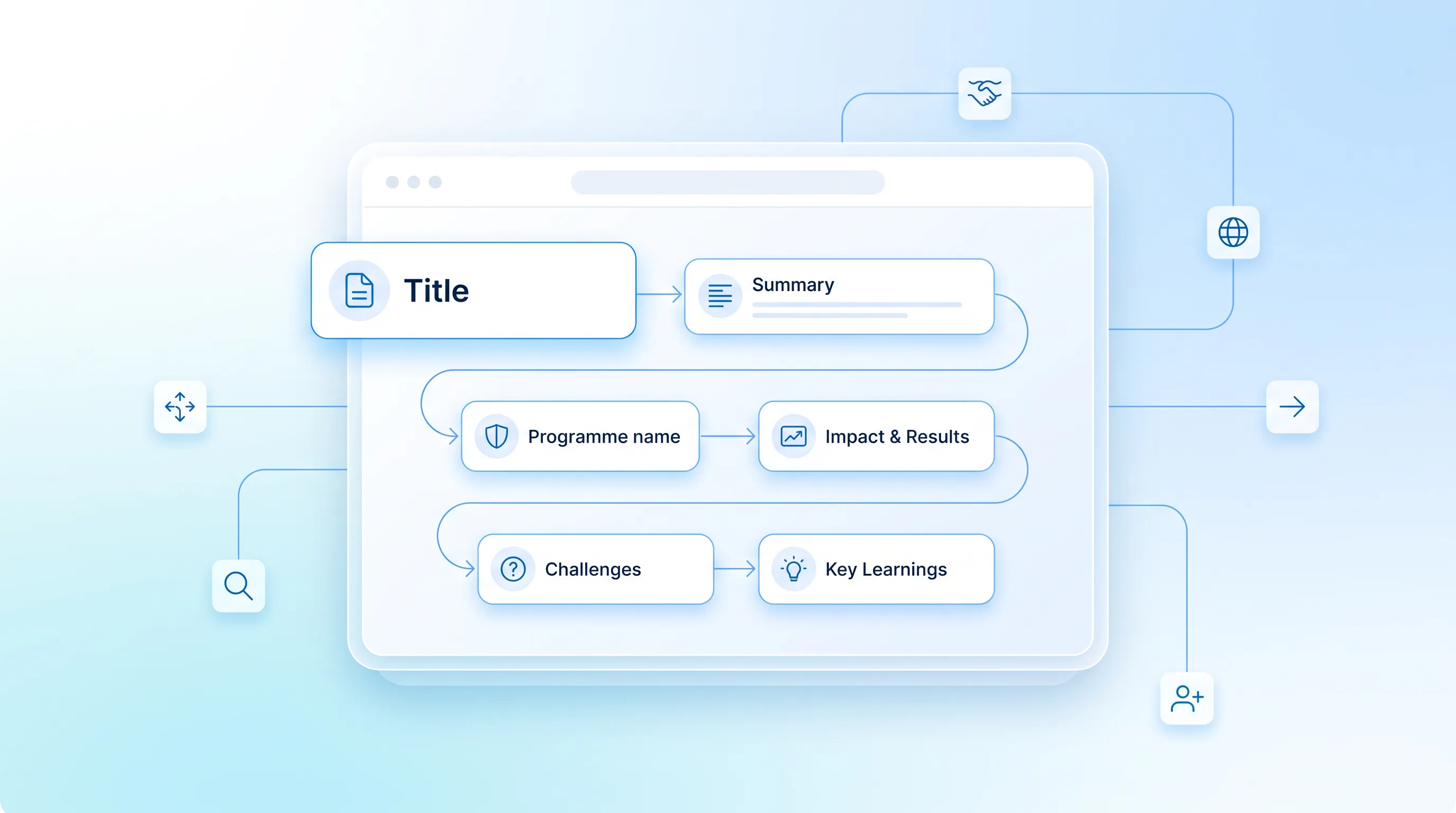
Copy the fields below into a document and fill them in order. If information is unavailable, write “not recorded” or “not measured” instead of leaving the field blank, as empty fields may encourage someone to fill in the gaps with guesses later. Never invent details or create composite quotations by combining statements from different people. The template includes the title, a 60–80-word summary, programme name, location, reporting period (start and end dates), starting situation, context, participant or community perspective, intervention description, implementation details, organisations and partners involved, outputs, outcomes, data sources, measurement methods, limitations, alternative explanations, lessons learned, conditions required to apply those lessons elsewhere, contributor permissions, attribution preferences, author, reviewer, publication date, and related methodology, evaluation or resources. This list covers the entire nonprofit case study template. The following sections explain what belongs in each field and what commonly goes wrong.
Identity and scope
The title names the programme and the place. Your summary states what was delivered and what changed, in plain numbers, and it carries no adjectives you can't defend. Location and reporting period are not housekeeping, because a result from one district over eight months is a different claim from a result across a country over three years.
The starting situation describes conditions before the work began, with a date attached. Context covers what else was happening that shaped the result: a new government scheme or a drought. Writing that down protects you later, when someone asks whether the change was yours.
People and delivery
Capture the participant or community perspective in their own words wherever you can, and record who said it and when. The intervention description explains what was actually delivered and the dose: how many sessions and who delivered them. Implementation details include what went wrong, because a proof-based storytelling model that never reports a problem reads as marketing.
List the organisations and partners involved, and resist the pull to position your organisation as the sole change-maker. The OECD's guidance on evaluation describes attributing causality as a standing challenge, particularly over longer timeframes. If a local health centre and a volunteer committee carried half the work, say so.